
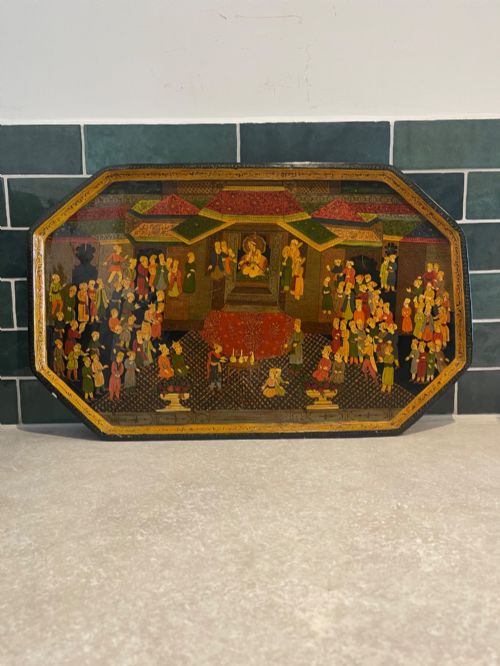


Mughal Miniature Painting
These mughal miniature painting works bring vibrant courtly scenes and historical portraits into your home through meticulous artistry.
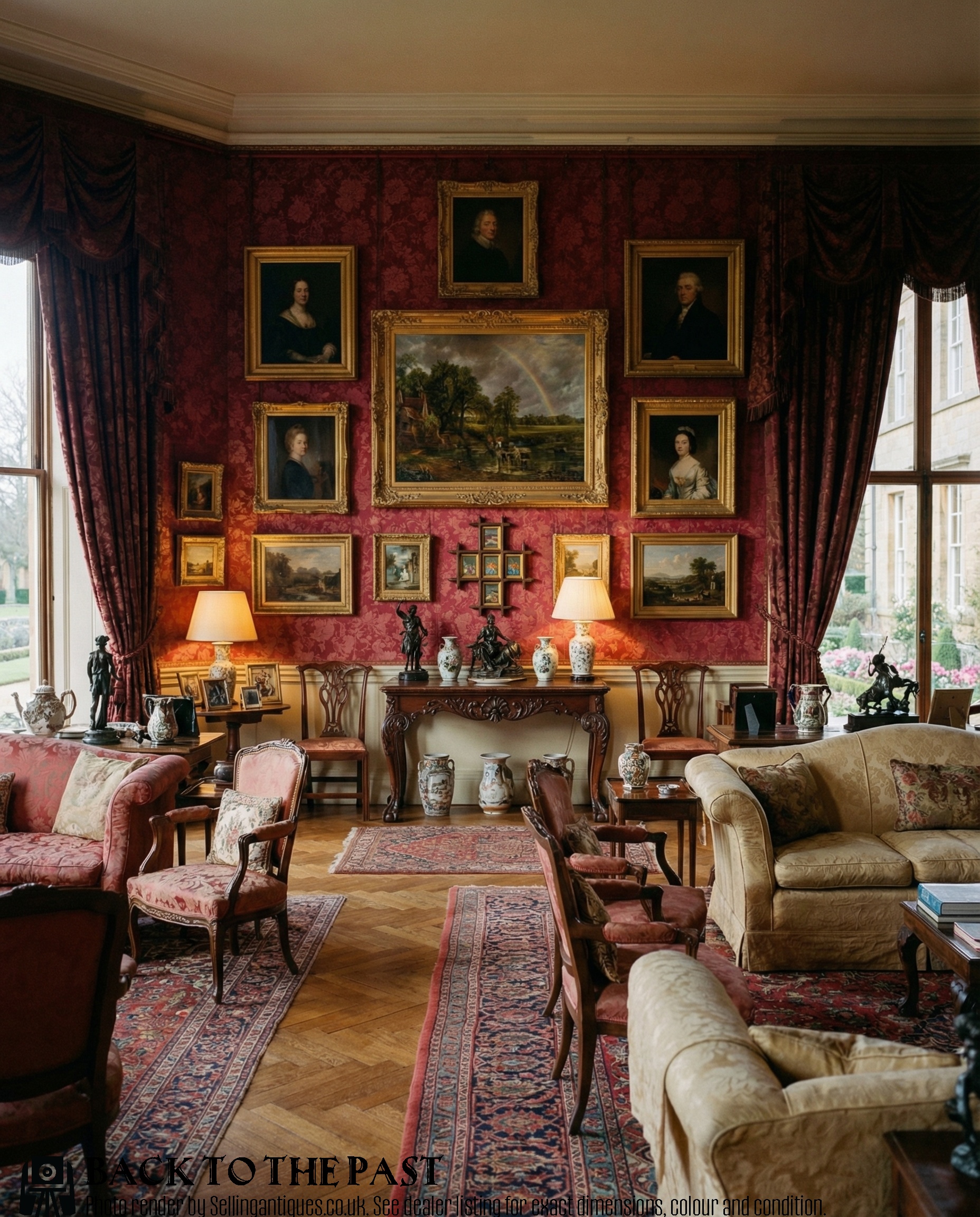
Mughal Miniature Painting
When you search for mughal miniature painting, you encounter a refined tradition of Indian and regional artistry spanning centuries. The pieces on this page include portraits of rulers like Akbar the Great and Emperor Akbar II, alongside courtly lovers in landscapes and harem scenes.
You will most frequently meet nineteenth-century works executed in gouache and opaque watercolour on paper, alongside Kashmiri papier-mache trays and silk paintings. These objects capture royal hunts, processional scenes with elephants, and composite animal figures rooted in traditional Indian and Persian styles.
The historical scope reaches from seventeenth-century album pages originating in Deccan centres like Bijapur or Golconda up to twentieth-century depictions of ladies riding composite camels. Framed artworks and decorative trays dominate the selection, offering portable windows into historic South Asian courts.
Materials and Technique
The foundational support relies primarily on paper, wood, and occasionally silk or papier-mache, providing a stable surface for detailed pigments. Artisans applied opaque watercolour and gouache alongside ink and gold leaf to build up rich, luminous surface designs.
Kashmiri papier-mache trays utilise moulded plant-fibre bases painted with intricate decorative schemes under protective glass. Album pages from the Deccan incorporate red, black, and gold pigments directly onto paper supports, reflecting sophisticated regional workshop practices.
The listings show materials including paper, wood, gouache, glass, opaque watercolour, gold leaf, ink, and papier-mache across multiple centuries.
Evaluating Quality
The application of gold leaf and the vibrancy of the gouache and opaque watercolour pigments also signal higher execution standards. Pieces retaining their original framing or integrated album page context often present superior preservation of historical detail.
The Mughal Miniature Painting Glossary
- Gouache
- An opaque water-based medium that dries to a matte finish, frequently utilised in these paintings for solid colour blocks and dense detailing.
- Papier-mache
- A composite material made from paper pulp and binders, moulded here into decorative trays before receiving painted decoration.
- Album page
- A historic sheet designed to be collected in bound volumes, often featuring calligraphy or paintings surrounded by decorative borders.
- Deccani Art
- A regional South Asian artistic tradition associated with southern sultanates such as Bijapur and Golconda, known for distinctive palettes.
- Opaque Watercolour
- A pigment preparation ground with water and a binding agent that conceals the underlying paper surface completely.
Mughal Miniature Painting: Frequently Asked Questions
What is a mughal miniature painting?
These works are highly detailed historical artworks originating from South Asian courts, depicting rulers, courtly scenes, and hunting episodes on paper, silk, or wood.
They combine traditional pigments like gouache and gold leaf to capture intricate architectural settings, royal processions, and romantic narratives.
How were these paintings displayed?
Historical examples were often bound into royal albums or portfolios, allowing patrons to turn the pages and examine the intricate details up close.
Today, many survive as framed artworks or decorative trays designed for wall hanging and interior display.
How do I care for my painting?
Keep these works away from direct sunlight to protect the sensitive gouache, opaque watercolour, and gold leaf pigments from fading over time.
Maintain stable indoor humidity levels and ensure framed pieces remain behind protective glass to safeguard the paper and silk supports.
How can I tell periods apart?
Earlier seventeenth-century examples from the Deccan often feature distinctive red, black, and gold framing layouts and formal portraiture styles.
Nineteenth- and twentieth-century versions frequently expand into broader subject matter, including composite animals, silk supports, and papier-mache trays.