


Indian Miniature Art
These pieces of indian miniature art bring centuries of courtly tradition, fine brushwork and gold leaf into your home.
Indian Miniature Art
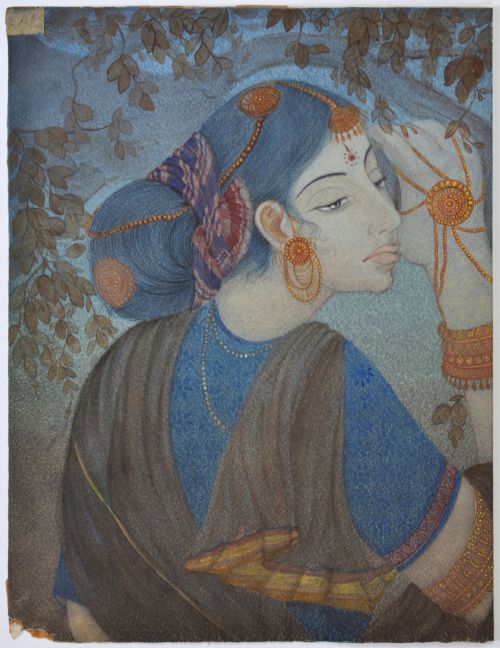
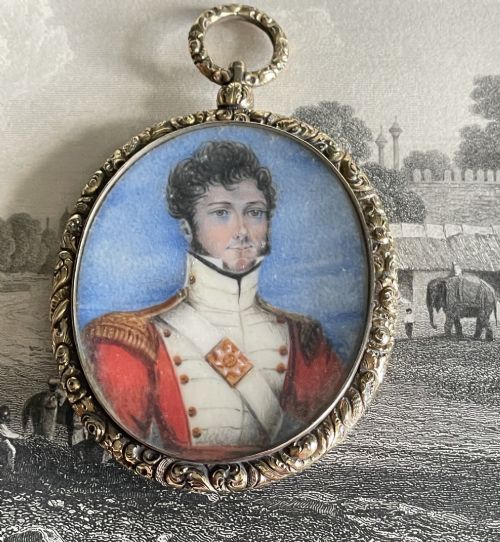
When you search for indian miniature art, you encounter a focused selection of traditional paintings and works on paper from distinct historical periods. The inventory spans from the seventeenth century through to the twentieth century, capturing courtly portraits, romantic scenes and historical figures.
You are most likely to meet nineteenth-century gouache paintings executed in Mughal or Indian School styles. These works frequently depict rulers, lovers in landscapes or composite animals rendered on paper with meticulous detail.
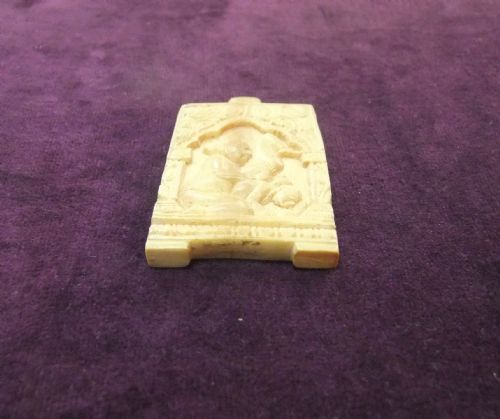
The selection also includes silk paintings, album pages originating from the Deccan, and carved wooden panels representing traditional themes. Each piece reflects the specific regional aesthetic of its period, whether produced in the eighteenth century or later.
How they were made
These works rely on traditional supports of paper, silk and wood, often enhanced with delicate frames of glass and gilt metal. Artists applied opaque watercolour and gouache to build up rich surfaces.
The listings span from the seventeenth century to the twentieth century, incorporating gouache, silk, paper and carved wood.
What varies in quality
The distinction between standard and superior pieces also lies in the composition and the preservation of the painted surface over time. Stronger works maintain clarity in their narrative details and retain the original brilliance of their colour palette.
The Indian Miniature Art Glossary
- Gouache
- An opaque method of watercolour painting that uses a binding agent such as gum, producing flat areas of dense colour.
- Mughal
- Pertaining to the imperial court style known for fine detail, naturalistic observation and the inclusion of gold leaf.
- Deccan
- Referring to the plateau region of south-central India associated with distinct sultanate painting traditions.
- Album page
- A single leaf from a bound collection of paintings and calligraphy, frequently decorated with illuminated borders.
Indian Miniature Art: Frequently Asked Questions
How should I hang these paintings?
Keep these delicate works on paper and silk out of direct sunlight to protect the gouache and gold leaf from fading.
Use professional framing with UV-protective glass to ensure the pieces remain secure against environmental changes.
What is Mughal style?
This style emerges from the imperial court workshops, combining Persian influences with indigenous Indian traditions.
Paintings in this manner typically feature refined portraits, courtly narratives and precise botanical borders.
Are these works painted on paper?
Many examples consist of gouache or opaque watercolour applied directly to traditional paper supports.
Other pieces utilise silk or feature carved wooden panels depending on the regional tradition and period.
How do I identify the period?
Examine the costume details, architectural elements and stylistic conventions which shift noticeably between the seventeenth and twentieth centuries.
Consider the materials and framing methods, as nineteenth-century pieces often employ specific mounting techniques.