

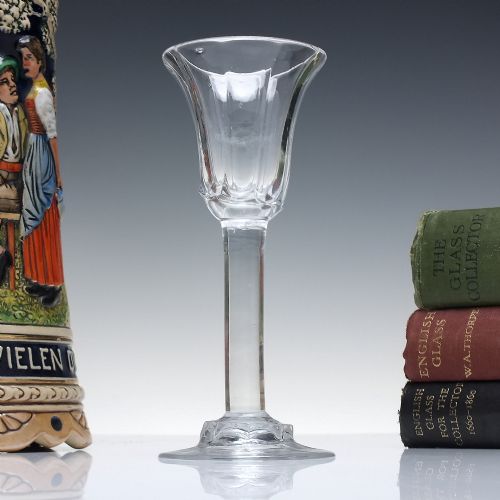
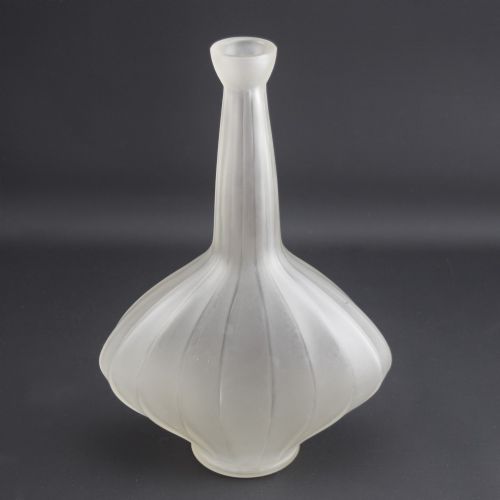
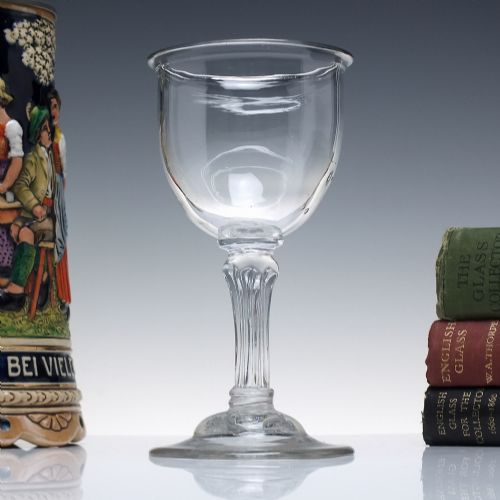

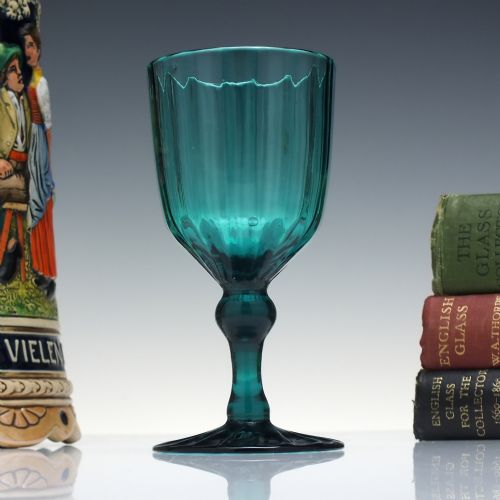




Moulded Wine Glass
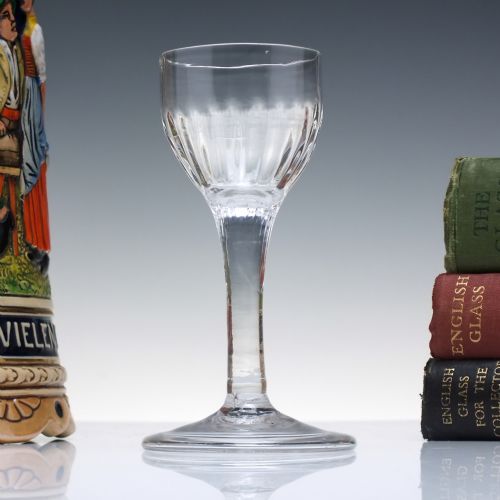
A moulded wine glass brings pattern and weight to the table, offering a tactile grip shaped in the furnace long before modern pressing.
Moulded Wine Glass
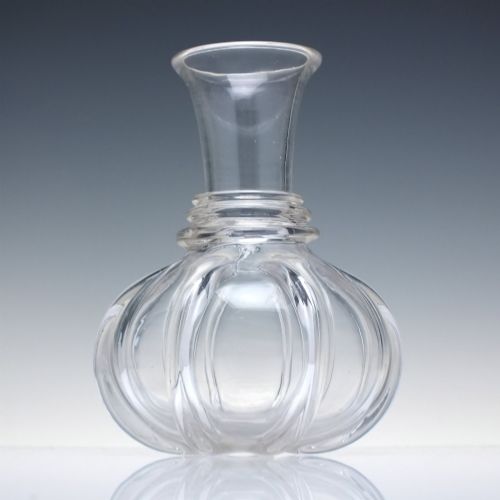
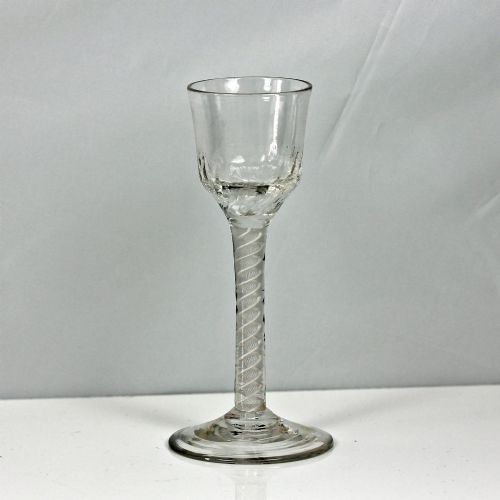
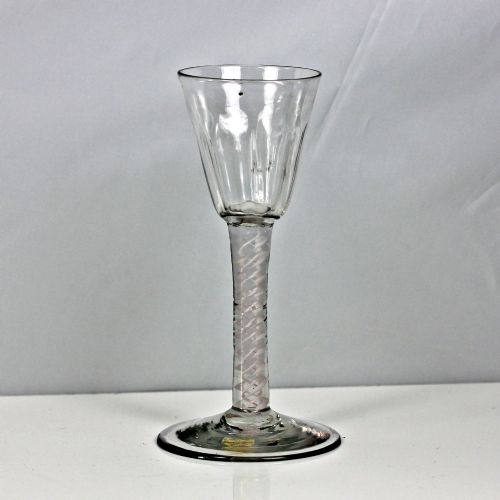
When you search for a moulded wine glass, you encounter drinking vessels whose bowls or stems show raised decorative patterns formed by pressing hot metal into a pattern-mould before blowing or drawing. The listings span several centuries, with particular strength in Georgian pieces featuring ribbed, fluted, and honeycomb motifs.
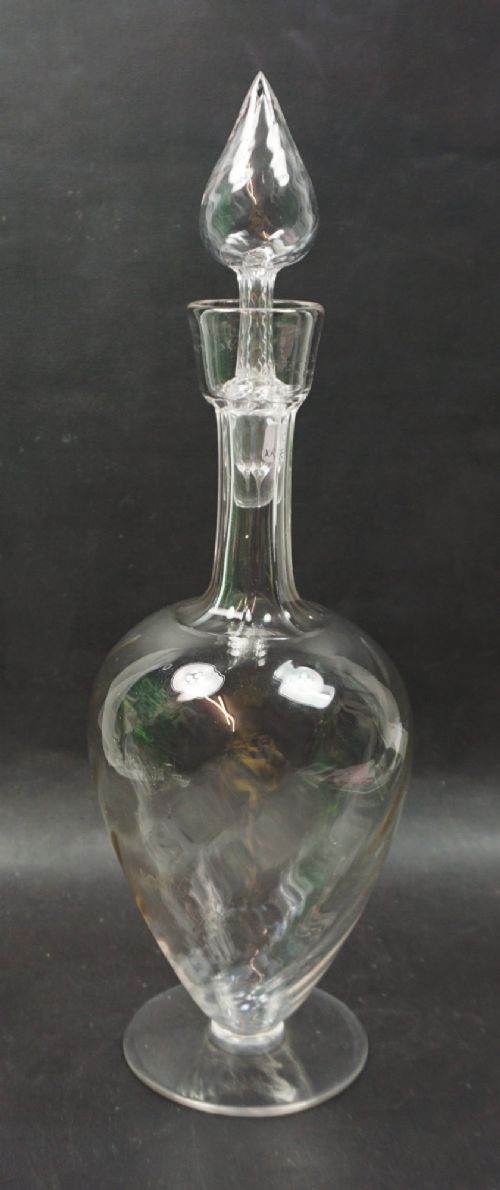
The selection ranges from early eighteenth-century stemware through Victorian decanters and twentieth-century Art Deco glassware. You will frequently find eighteenth-century lead glass examples with plain or twisted stems alongside continental productions from Liege.
Forms vary from standard wine glasses and champagne glasses to heavier decanters. The surface patterns provide both grip and visual depth, distinguishing these vessels from plain blown counterparts.
Manufacturing and Materials
Glassmakers utilised lead glass and soda glass, manipulating clear and coloured metal to achieve the desired clarity or tone. Green and turquoise hues appear in specific ribbed examples from the eighteenth century.
The hot glass was gathered on a punty and forced into a ribbed, fluted, or panelled mould to impress the exterior pattern before expansion by blowing. Further manipulation shaped the bowl, stem, and folded foot by hand.
Moulded Wine Glass Retail Price Guide 2026
Typical asking prices for moulded wine glass among the pieces listed under this phrase on Sellingantiques today, from the lower quarter to the upper quarter. They describe what is for sale here now, not the wider market.
The listings include lead glass and soda glass across Georgian, Victorian, and twentieth-century periods.
Judging Quality
Quality rests on the crispness of the moulded relief against the walls of the bowl. Sharply defined ribs and honeycombs demonstrate superior control during the blowing process.
The harmony of proportion between the moulded bowl, the stem type, and the foot dictates the visual balance of the piece. Metal weight and clarity further distinguish finer workshop output.
Rene Lalique
The Moulded Wine Glass Glossary
- Lead glass
- Glass containing lead oxide, which increases brilliance, weight, and workability. This material allows for sharper definition in moulded patterns.
- Folded foot
- A glass foot where the outer rim is turned underneath to create a thickened edge. This technique adds stability and strength to the base.
- Opaque twist
- A stem formation enclosing white or coloured enamel threads twisted within a clear glass rod. It appears frequently in eighteenth-century British drinking vessels.
- Honeycomb moulded
- A surface pattern featuring a geometric grid of small, raised or indented cells resembling a honeycomb. This design diffuses light across the bowl.
- Liege
- A manufacturing centre in Belgium known for distinct continental glass production. Pieces from this region often display specific moulding characteristics.
Moulded Wine Glass: Frequently Asked Questions
What is a moulded wine glass?
A moulded wine glass is a drinking vessel whose bowl or body receives a raised pattern by being pressed into a patterned mould during formation. The resulting texture creates distinct ribs, flutes, or geometric panels on the glass.
These pieces range from early eighteenth-century tavern and formal glasses to later decorative glassware. The technique adds both tactile grip and visual refraction to the material.
How do I date an old wine glass?
Dating relies on observing the form of the bowl, the construction of the stem, and the characteristics of the metal itself. Earlier pieces often show pontil marks on the base and distinct lead weight.
Style shifts, such as the transition from plain stems to opaque twists and later moulded patterns, provide chronological markers. Comparing the foot profile and rim finish helps narrow the period of manufacture.
How were these glasses used originally?
These vessels served for consuming wine at the dining table or in social assemblies. Their sturdy construction made them suitable for daily circulation among guests.
Heavier moulded variants and decanters were used for serving and pouring table wines. The textured exterior offered a secure grip during use.