



Monochrome Paper Art
Monochrome paper art encompasses centuries of prints, engravings, and original drawings rendered in ink, charcoal, and wash.
Monochrome Paper Art
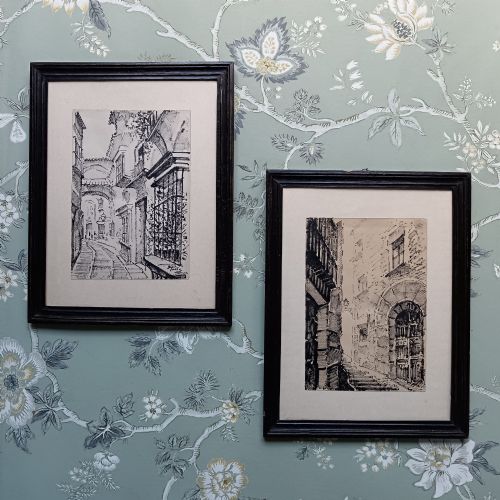
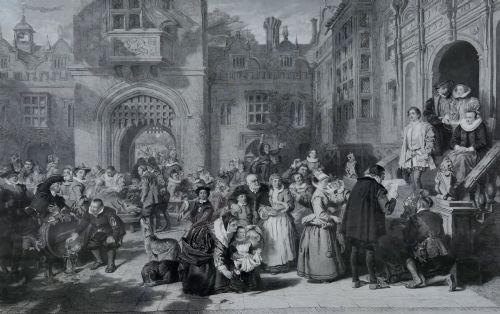
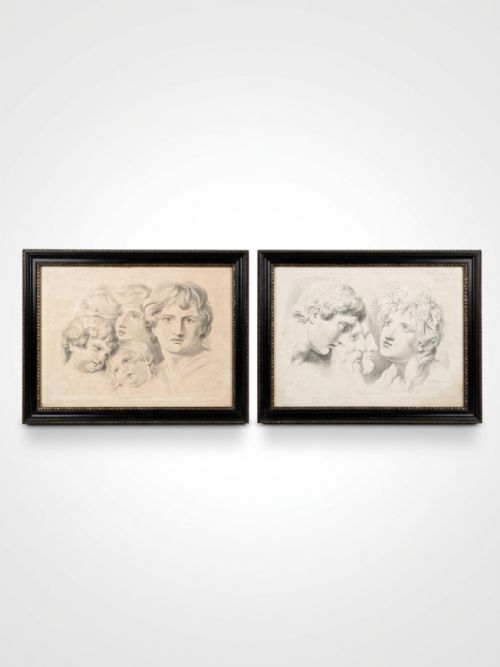
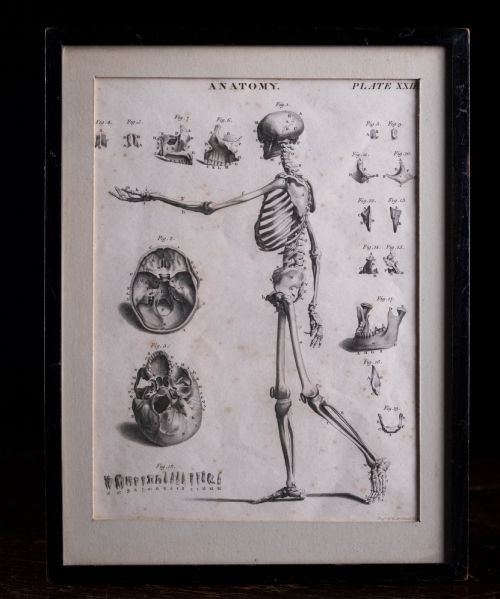
Monochrome paper art spans works from the seventeenth century through to the mid twentieth century, encompassing varied forms of expression. Buyers encounter original ink drawings, detailed etchings, and large nineteenth century engravings within this grouping.
The objects take diverse forms, from framed prints and original wall art to intimate pencil sketches. Pieces frequently retain period framing, such as original Hogarth frames, which complement the works on paper.
Materials and techniques
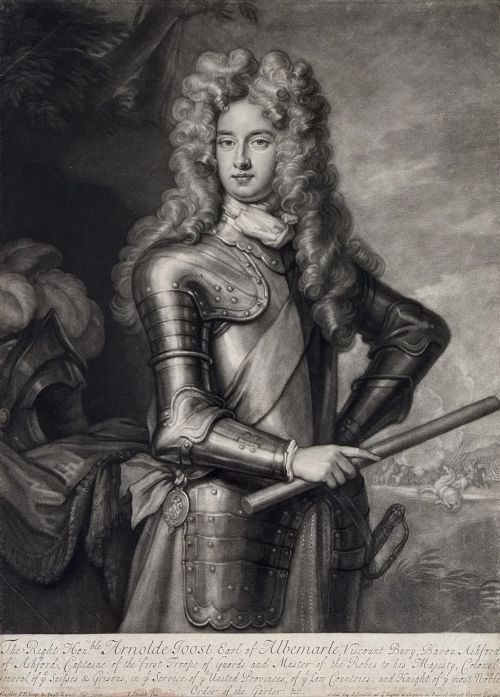
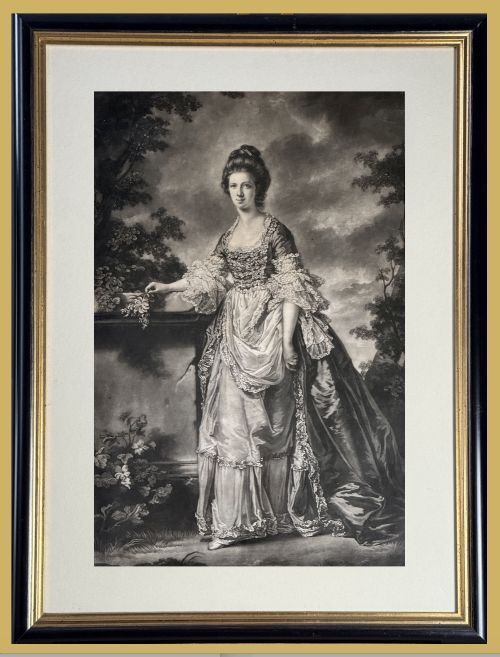
Artists and printmakers utilised paper as the primary support, applying media including ink, charcoal, graphite, wash, and gold leaf. Mezzotints and etchings required metal plates worked by hand before transferring impressions to paper.
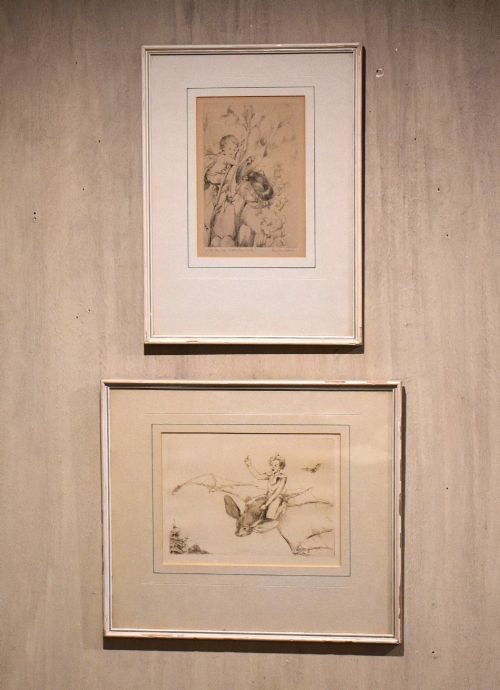
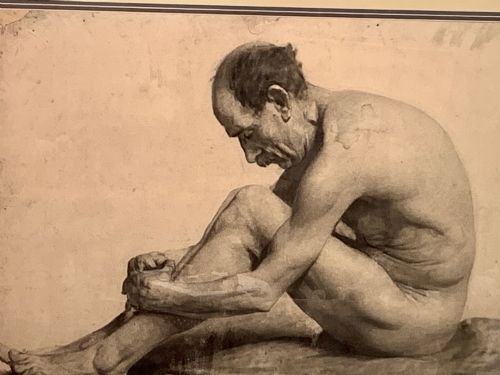
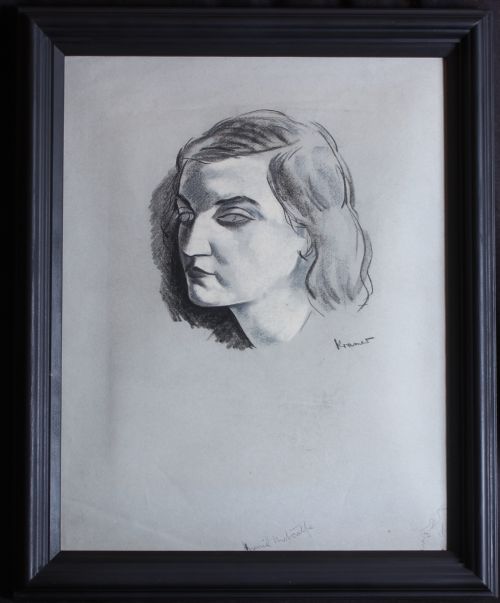
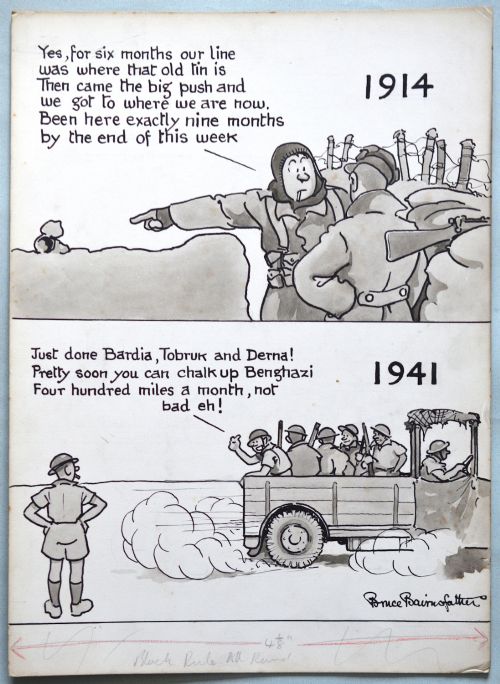
Original drawings rely on the direct application of charcoal or ink, sometimes combined with watercolour washes for tonal depth. Framing often incorporates glass and wood to protect the delicate paper surfaces from environmental damage.
Monochrome Paper Art Retail Price Guide 2026
Typical asking prices for monochrome paper art among the pieces listed under this phrase on Sellingantiques today, from the lower quarter to the upper quarter. They describe what is for sale here now, not the wider market.
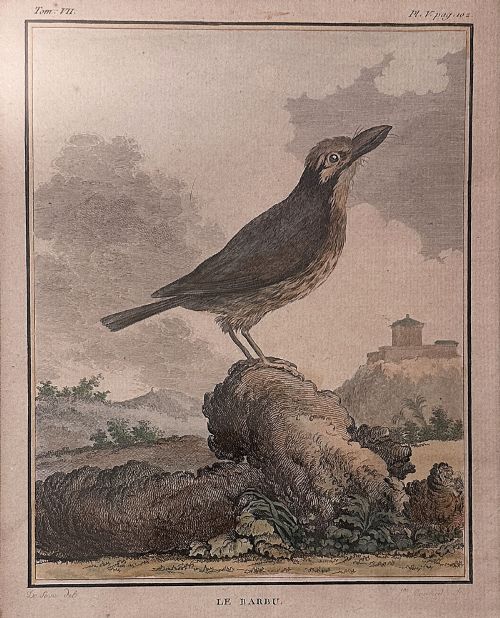
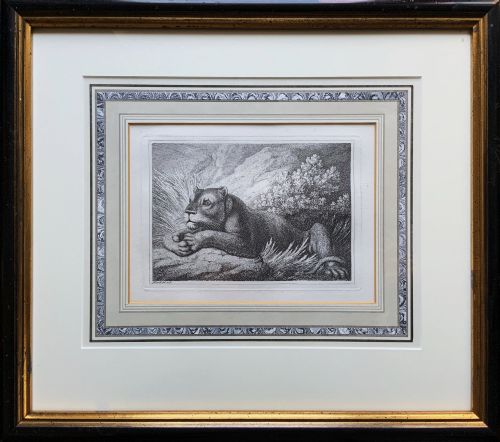
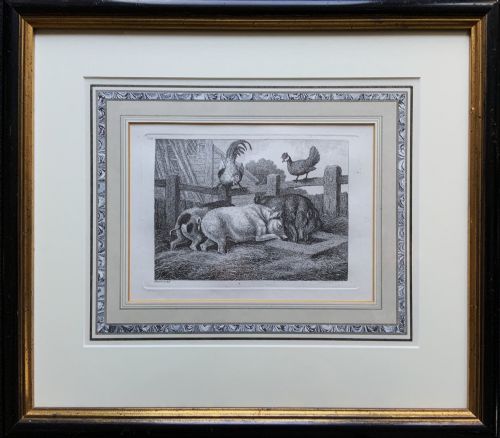
Animals appear unexpectedly among the solemn portraits and classical scenes, including farmyard pigs, a recumbent lioness, and pigeons.
Markers of quality
Quality rests upon the strength of the impression in printed works and the crispness of line in original drawings. Finer engravings and mezzotints retain sharp detail across dark and light passages without muddiness.
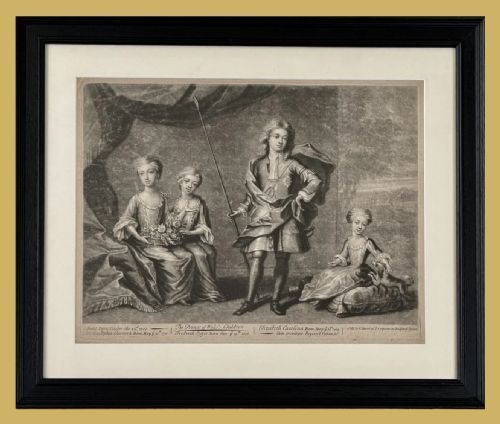
The significance of the maker or publisher influences the standing of a piece, alongside the preservation of the paper support. Surviving period frames and clear contemporary inscriptions further elevate the appeal of individual works.
John Smith·Sir Godfrey Kneller·Samuel Howitt·François Perrier·Bruce Bairnsfather
The Monochrome Paper Art Glossary
- Mezzotint
- A printmaking process of the intaglio family where the plate is roughened to produce rich dark tones and subtle gradations of light. This technique allows for remarkably smooth tonal transitions, making it popular for portraiture.
- Etching
- A method of making incisions in metal with acid to hold the ink that forms the printed image. Artists draw through a protective ground to expose the metal to the mordant.
- Wash
- A technique where ink or watercolour is diluted to create semi transparent layers of tone. It provides atmospheric depth and shadow in monochrome compositions.
- Engraving
- The practice of incising a design onto a hard surface by cutting grooves into it. In printmaking, the inked plate transfers a precise linear image onto paper.
Monochrome Paper Art: Frequently Asked Questions
How should I frame and display these paper works?
Works on paper require conservation mounting using acid-free materials to prevent degradation over time. Keeping pieces away from direct sunlight protects the ink, charcoal, and paper from fading.
Selecting appropriate frames with glass safeguards the surface from dust and atmospheric moisture. Period frames, when original to the piece, add historical context but should be checked for stability.
What is the difference between an etching and a mezzotint?
An etching relies on acid biting lines into a metal plate through a protective ground. This creates a primarily linear image defined by drawn strokes.
A mezzotint works from dark to light by roughening the entire plate to hold ink, then scraping it smooth to create tones. This produces velvety shadows and smooth tonal gradations rather than distinct lines.
How do I identify the period of an engraving?
Paper characteristics, typography, and framing styles offer primary clues to a work's age. Seventeenth and eighteenth-century papers often display distinct watermarks and heavier laid textures.
Subject matter and sitter attribution also point to specific eras. Portrait engravings frequently name the artist and publisher in the lower margin along with the date of publication.
Are charcoal drawings on paper fragile?
Charcoal particles sit loosely on the paper surface, making unsealed drawings susceptible to smudging if handled directly. Framing behind glass protects the medium from physical contact and air movement.
Stable mountings prevent the paper from buckling inside the frame. Professional framing ensures the charcoal remains undisturbed for decades.