




Monarch Portrait Art
Monarch portrait art gathers painted and printed likenesses of sovereigns that bring centuries of royal lineage directly into a room.
Monarch Portrait Art
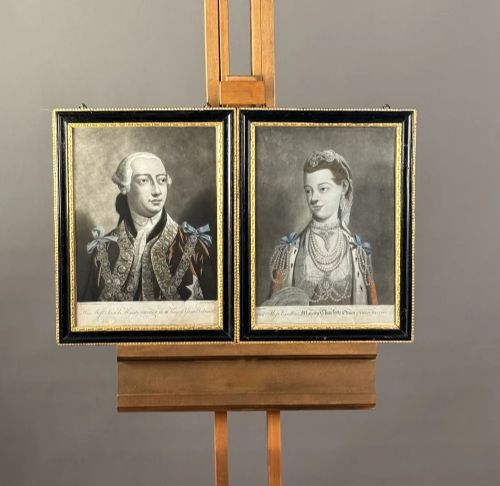
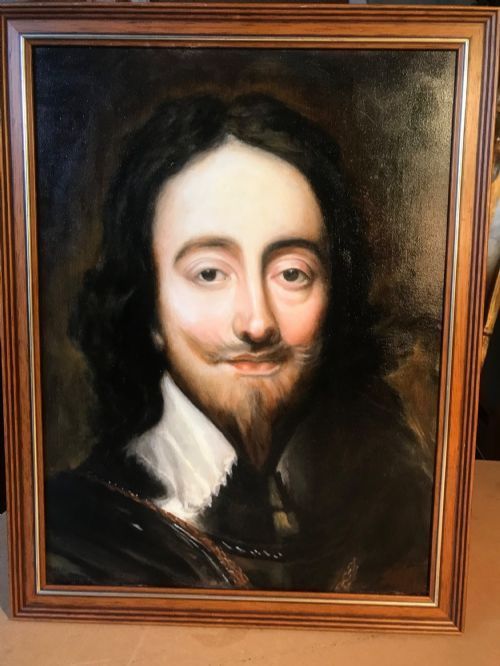
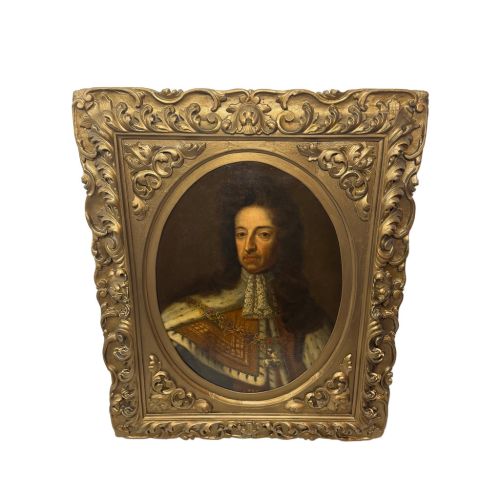
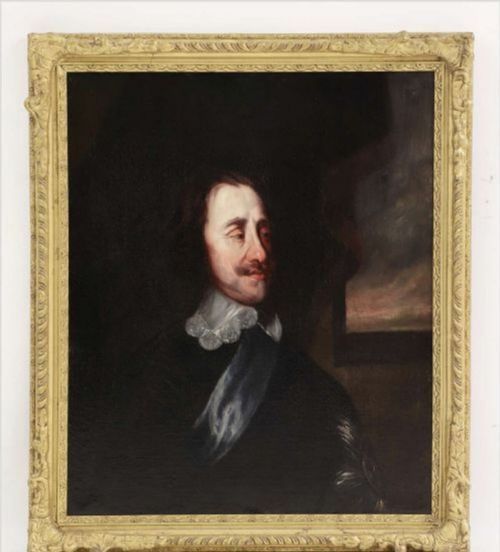
Monarch portrait art encompasses centuries of royal representation, stretching from Tudor depictions to mid-twentieth-century naval uniform paintings. These works capture kings and queens through varied mediums, including oil on canvas, paper prints, and reverse glass plates.
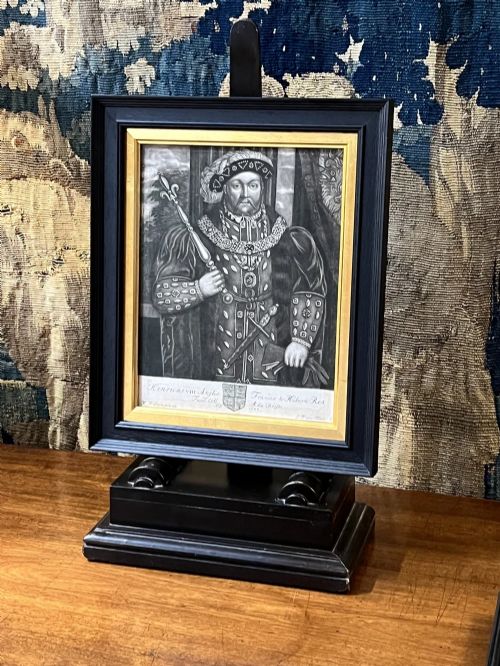
The selection on this page leans heavily towards historical oils and mezzotint engravings of figures such as King Charles I, King Henry VIII, and Queen Victoria. Buyers encounter both original period compositions and later interpretations created during revival movements.
Stylistic approaches range from the theatrical drama of the Stuart Baroque to the restrained formality of Georgian and Victorian eras. Each piece reflects the political and aesthetic tastes of its period while preserving the official likeness of the sovereign.
Materials and techniques
Painters utilised oil on canvas to build rich textures and deep tones, often incorporating giltwood frames and gold leaf to heighten the regal presentation. Engravers worked with paper and ink, employing mezzotint techniques to achieve tonal depth and subtle shading in portrait prints.
Specialised methods such as reverse glass painting applied pigment directly behind the glass plate, producing a bright and reflective finish. Supporting structures typically involved wood panels or stepped oak frames, occasionally mounted with commemorative metal plaques.
Monarch Portrait Art Retail Price Guide 2026
Typical asking prices for monarch portrait art among the pieces listed under this phrase on Sellingantiques today, from the lower quarter to the upper quarter. They describe what is for sale here now, not the wider market.
Several monarchs wear the Order of the Garter badge so diligently that even painted spaniels in the room seem to stand at attention.
Distinctions in quality
Quality in monarch portrait art rests upon the precision of the draughtsmanship and the fidelity of the likeness to the original sitter. Works executed by accomplished hands demonstrate a superior grasp of facial expression, costume detail, and textural rendering in fabrics like velvet and ermine.
The integrity of the medium also distinguishes the range, from finely preserved seventeenth-century oil pigments to carefully inked eighteenth-century mezzotints. Original period framing, particularly carved giltwood housing, adds significant visual weight and historical harmony to the artwork.
Thomas Frye·Richard Purcell·Sir Anthony van Dyck·John Faber Snr·Hans Holbein the Younger·Sir Peter Lely·Kershaw Schofield·Alexander Melville
The Monarch Portrait Art Glossary
- Mezzotint
- A printmaking process where the copper plate is roughened to achieve rich dark tones and subtle gradations of light. This method was widely used for reproducing grand royal paintings in monochrome.
- Reverse glass print
- An image applied directly to the rear side of a glass panel so that the finished work is viewed through the transparent front. It produces a glossy surface that protects the pigments underneath.
- Baroque
- An ornate artistic style spanning the seventeenth and early eighteenth centuries, characterised by dynamic movement and dramatic lighting. Royal portraits in this mode emphasise grandeur and authority.
- Giltwood
- Wood that has been coated with a thin layer of gold leaf or metallic paint. It is commonly found on the elaborate frames surrounding significant historical portraits.
- Order of the Garter
- The senior order of knighthood in British chivalry, frequently denoted in royal portraiture by blue sashes, stars, and badges. Its inclusion signifies the highest rank of state.
Monarch Portrait Art: Frequently Asked Questions
Are these works original paintings?
The selection includes a mix of original oil paintings, later studio copies, and period print formats such as mezzotints.
Descriptions specify whether a piece is an oil on canvas or a framed print after a well-known master.
How should I frame these pieces?
Many works come in period frames, including giltwood and stepped oak mouldings that complement the historical subject matter.
Matching the frame style to the era of the portrait preserves the visual integrity of the artwork.
What periods do these artworks cover?
The inventory spans multiple centuries, reaching from Tudor and Stuart eras through Georgian and Victorian times up to the mid-twentieth century.
Revival styles from the nineteenth and twentieth centuries also appear alongside original older works.