





Molded Glass Lamp
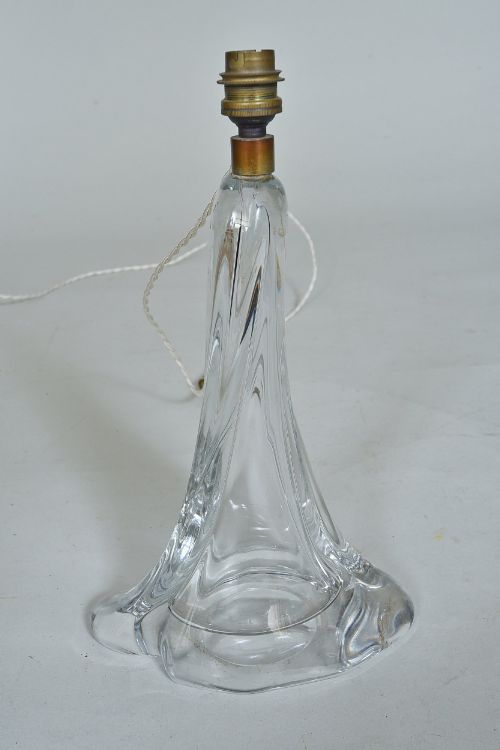
These moulded glass lamp pieces combine functional illumination with distinct period design, offering the character that collectors seek for period interiors.
Molded Glass Lamp
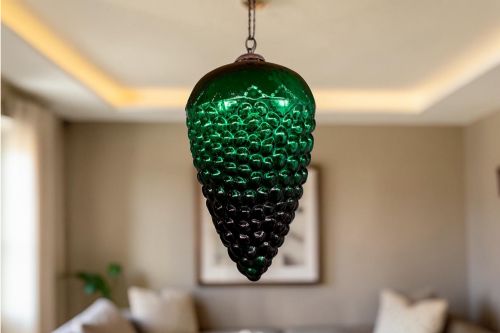
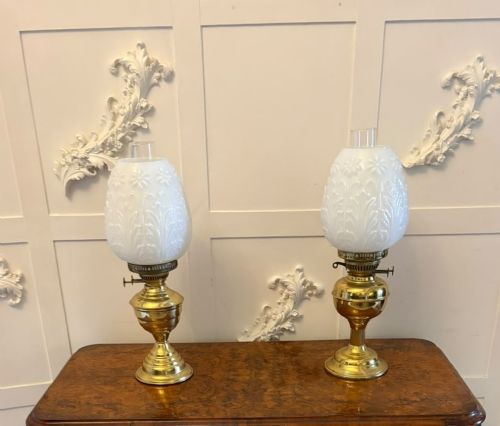
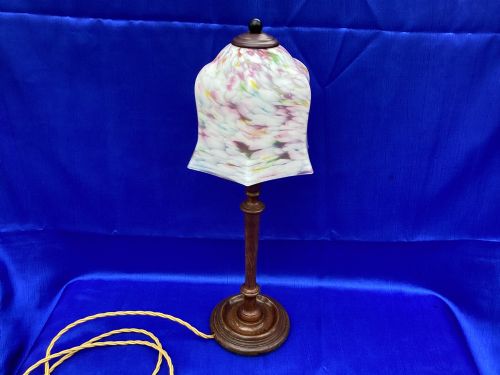
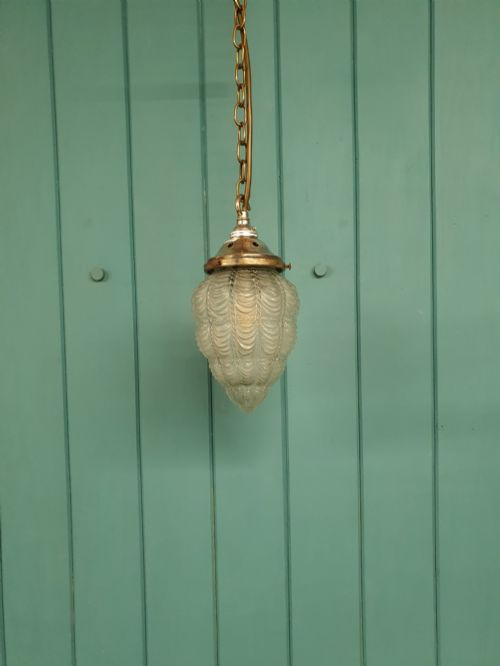
A moulded glass lamp brings together decorative lighting forms produced across the Victorian, Edwardian, and Art Deco periods. These items encompass table lamps, wall lights, pendant lights, ceiling lights, oil lamps, and candelabras.
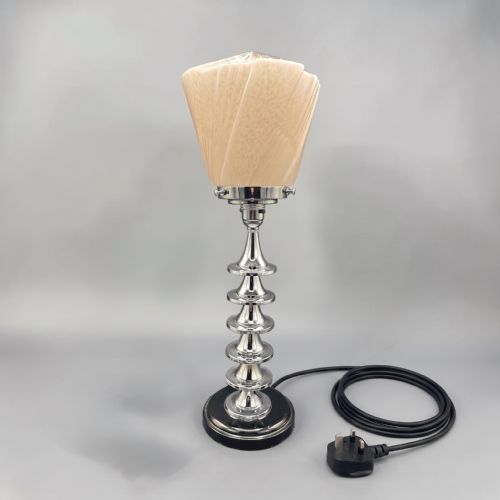
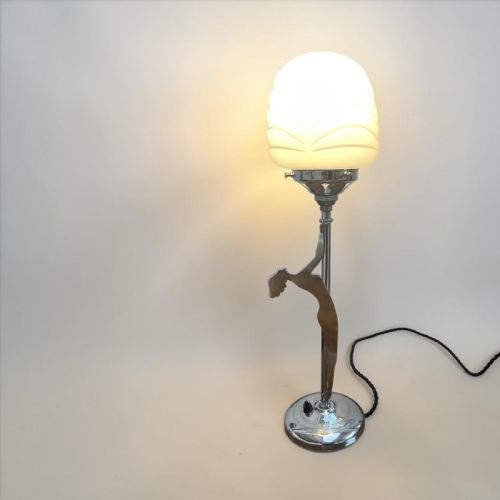
The selections seen on this page span from the nineteenth century through the nineteen-thirties, with a strong representation of Art Deco designs. Buyers frequently encounter French shades, frosted glass panels, and specialised pendant lights from these decades.
Makers utilised various mounting metals alongside the glass bodies, resulting in combinations involving brass, chrome, silver plate, and copper. This variety spans domestic lighting solutions as well as specialised fittings such as peg oil lamps and wall sconces.
How they were made
Production relied on shaping molten or semi-molten material into specialised moulds to create textured surfaces, geometric patterns, and figurative forms like clam shells, fish scales, and skyscraper profiles. This technique allowed workshops to produce consistent relief patterns across shades and bodies.
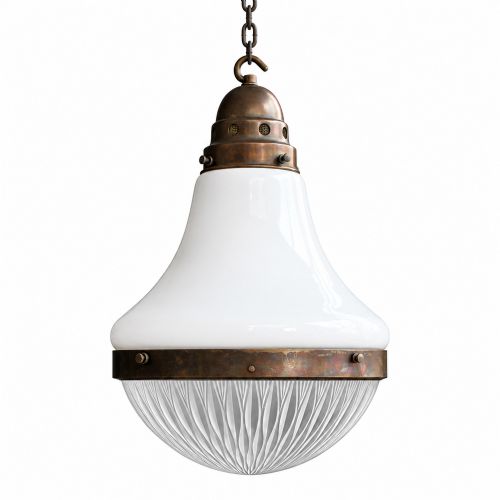
Metal components such as brass, chrome, bronze, and silver plate formed the structural mounts, columns, and bases that supported the glass elements. Artisans combined these metals with clear, frosted, opaline, satin, or opaque glass to diffuse and reflect light.
Molded Glass Lamp Retail Price Guide 2026
Typical asking prices for molded glass lamp among the pieces listed under this phrase on Sellingantiques today, from the lower quarter to the upper quarter. They describe what is for sale here now, not the wider market.
Listings feature items spanning the nineteenth century through the Art Deco era of the nineteen-thirties, using glass, brass, chrome, and opaline.
What varies in quality
Distinctions in quality often rest on the crispness of the moulded relief and the weight of the glass, alongside the finish of the metal mounts. Pieces attributed to documented glassworks display finer execution in the surface textures and detailing.
The integration between the glass shades and their metal fixtures, whether brass, chrome, or silver plate, indicates the original tier of production. Superior examples maintain balanced proportions and harmonious material combinations across the entire fixture.
Muller Bros·Lalique·Jean Gauthier·Ezanville Ezan
The Molded Glass Lamp Glossary
- Moulded glass
- Glass formed by pressing molten material into a metal or wooden mould to impart a patterned or textured surface. This method enabled mass production of decorative lighting shades during the early twentieth century.
- Opaline glass
- An opaque or translucent white glass that diffuses light softly. It appears frequently in period oil lamps and twentieth-century pendants.
- Frosted glass
- Glass treated to scatter light and reduce transparency, often achieved through acid etching or sandblasting. Art Deco wall lights and ceiling fixtures utilised this finish for atmospheric illumination.
- Peg oil lamp
- A specialised font designed to fit into the top of a separate candlestick or base rather than standing independently. They often featured satin or coloured glass vessels during the Victorian era.
- Art Deco
- A design style dominant in the nineteen-twenties and nineteen-thirties characterised by geometric shapes, streamlined forms, and stylized motifs. Lighting from this era often paired chrome or bronze mounts with moulded glass shades.
Molded Glass Lamp: Frequently Asked Questions
What is an opaline glass shade?
Opaline glass is a translucent or opaque white material designed to soften and diffuse light evenly without harsh glares. It was a popular choice for Edwardian and early twentieth-century oil lamps and pendant fixtures.
The glass gives a milky appearance when unlit and glows warmly when an internal light source is activated.
Can antique oil lamps be converted?
Many period oil lamps and candelabras have been adapted for modern electrical use while retaining their original brass, bronze, or ceramic bodies. Conversions allow these decorative forms to function as standard table lamps or ceiling fixtures.
Collectors look for professional rewiring that preserves the integrity of the original metal mounts and glass vessels.
How should I clean moulded glass shades?
Moulded glass benefits from gentle washing with lukewarm water and mild soap to remove dust from the textured relief patterns. Harsh chemical cleaners should be avoided, particularly on frosted or satin surfaces.
Metal mounts require separate care appropriate to their specific composition, such as brass, silver plate, or chrome.