




Molded Glass Lamp Shade
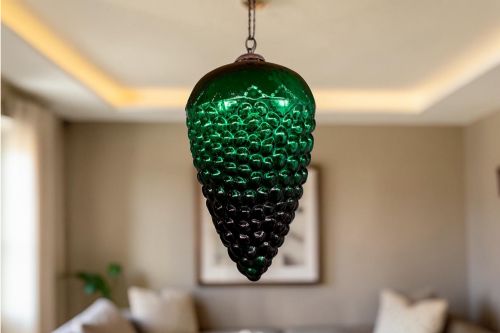
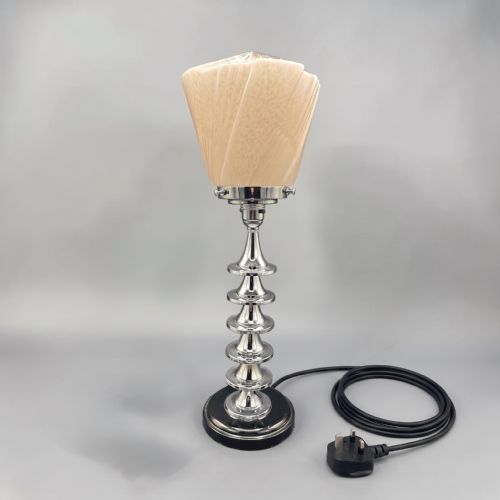
These moulded glass lamp shades bring sculptural form and diffused light to a room, spanning the Victorian era through Art Deco.
Molded Glass Lamp Shade
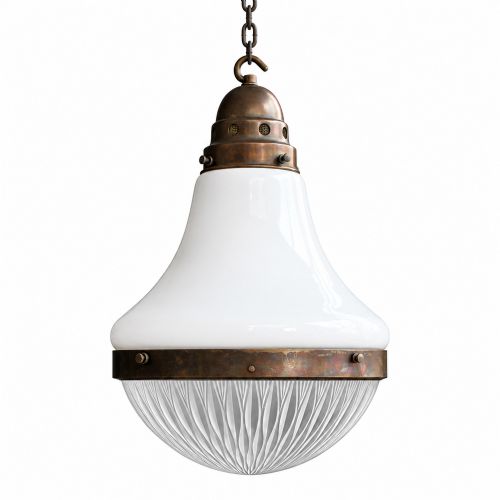
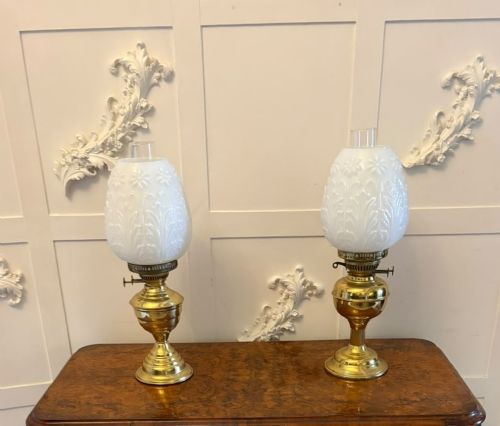
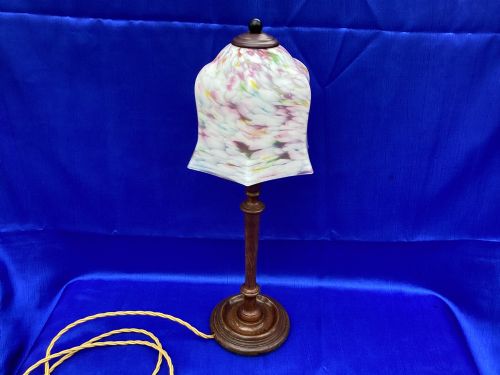
When you search for a moulded glass lamp shade, you are looking at functional glassware designed to fit ceiling lights, wall sconces, pendants, and table lamps. These pieces channel light through patterned, frosted, or satin surfaces, softening the bulb and shaping the atmosphere of a room.
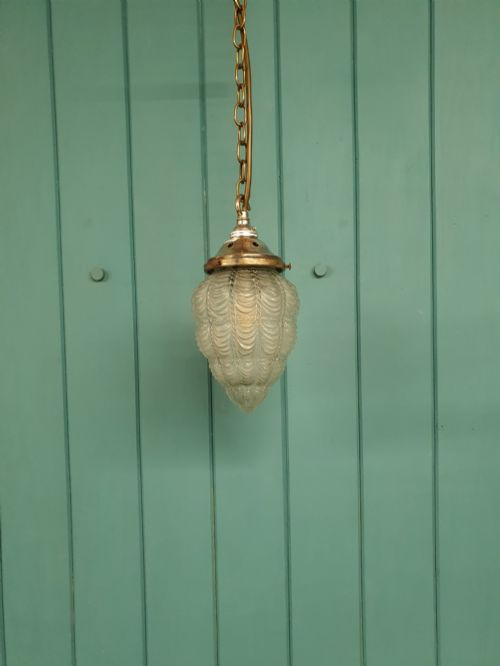
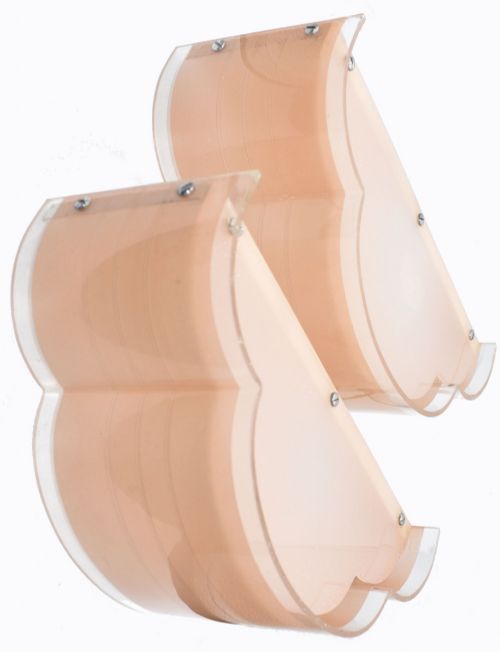
The versions you are most likely to meet on this page belong to the Art Deco period, alongside earlier Victorian and Edwardian examples. They take forms such as clam shells, cloud shapes, fish scale pendants, and French chandelier bowls.
Makers shaped these shades to sit within brass, chrome, copper, or nickel mounts, turning standard domestic lighting into decorative centerpieces. They turn up paired with metal bases or suspended as individual ceiling fixtures.
How they were made
Makers produced these glass lamp shades by pressing molten glass into metal moulds or blowing it into specific shapes to achieve relief patterns. This technique allowed workshops to create consistent decorative motifs, from geometric Art Deco tiers to organic petalled or scalloped edges.
The glass itself appears in frosted, satin, opaline, or clear finishes, often combined with metal fittings in brass, chrome, silver plate, or copper. Some shades utilise enamelling or metal bases to complete the composition.
Molded Glass Lamp Shade Retail Price Guide 2026
Typical asking prices for molded glass lamp shade among the pieces listed under this phrase on Sellingantiques today, from the lower quarter to the upper quarter. They describe what is for sale here now, not the wider market.
Fish scale patterns on 1930s opaline shades prove that lighting designers spent plenty of time watching pond life.
What varies in quality
Quality in a moulded glass lamp shade rests upon the crispness of the relief moulding and the weight of the glass itself. Finer pieces display sharply defined geometric or figural details without distortion in the glass.
The integration between the glass shade and its original metal mount, whether brass, chrome, or nickel, separates standard production from superior examples. Workshops such as Muller Bros or Jean Gauthier demonstrate the distinction through heavier metalwork and precise glass formulation.
Muller Bros·Jean Gauthier·Ezanville Ezan
The Molded Glass Lamp Shade Glossary
- Opaline glass
- A milky, semi-translucent glass that diffuses light softly across a room. It appears frequently in Edwardian and later pendant lights and oil lamps.
- Frosted glass
- Glass treated to have a scatter-patterned, non-glossy surface that reduces glare. This finish defines many Art Deco shades.
- Satin glass
- Glass with a velvety, acid-etched exterior finish that feels smooth to the touch. It is often found on Victorian peg oil lamps.
- Pendant light
- A light fixture that hangs from the ceiling by a cord, chain, or metal rod. These often feature single glass shades.
- Chandelier
- A branched branching ceiling light designed to hold multiple globes or shades. They appear in period settings with metal frames.
Molded Glass Lamp Shade: Frequently Asked Questions
How do I date a glass lamp shade?
Dating relies on the style of the moulding, the material of the mount, and the manufacturing technique. Art Deco pieces display geometric lines and frosted surfaces, while Victorian examples use satin glass and heavy silver plating.
Examining the metal fixtures and screw-threads often provides additional context, as construction methods shifted from the nineteenth century into the twentieth.
Were these shades made for oil or electricity?
Many early pieces originated on oil lamps or peg lamps before being converted to electricity later. Edwardian and Victorian examples frequently started with burners, whereas 1930s Art Deco pieces were designed specifically for electric bulbs.
Checking the fitter rim helps determine whether a shade fits an antique burner gallery or a modern electrical holder.
How do I clean an antique glass shade?
Wash the glass gently in warm water using a mild, non-abrasive soap. Avoid harsh scrubbing on frosted or enamelled areas to protect the original finish.
Dry the piece thoroughly with a soft cloth before reinstalling it onto its brass or chrome mount.
Can I mix these shades with modern fittings?
Many shades fit standard modern gallery holders, provided the fitter rim matches the diameter of the holder. Measuring the neck of the glass ensures proper compatibility with existing hardware.
Keep in mind that period brass and chrome mounts offer a more authentic match for the age of the glass.