



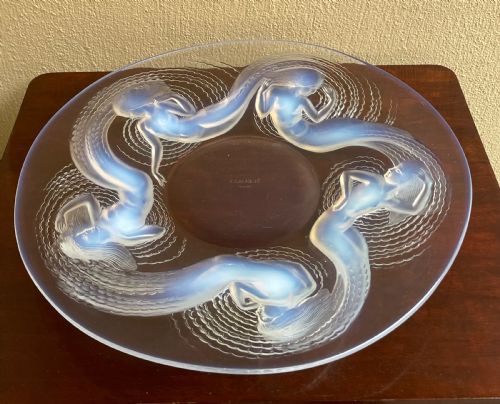

Molded Glass Bowl
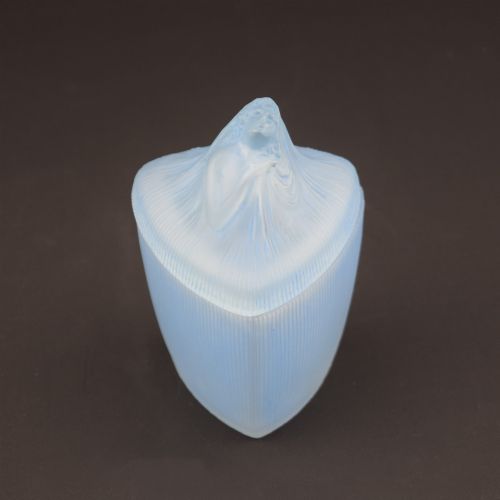
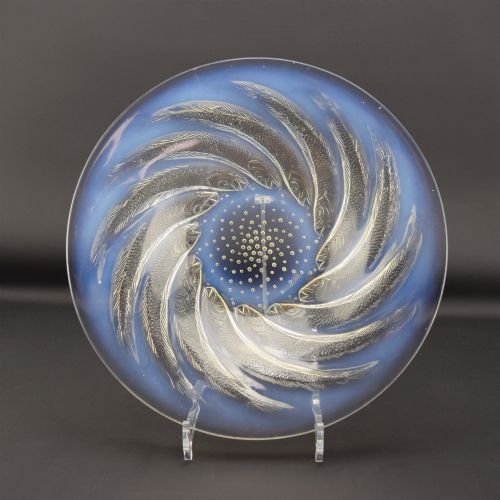
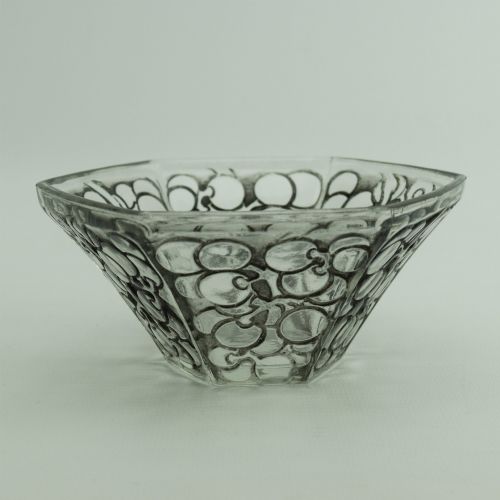
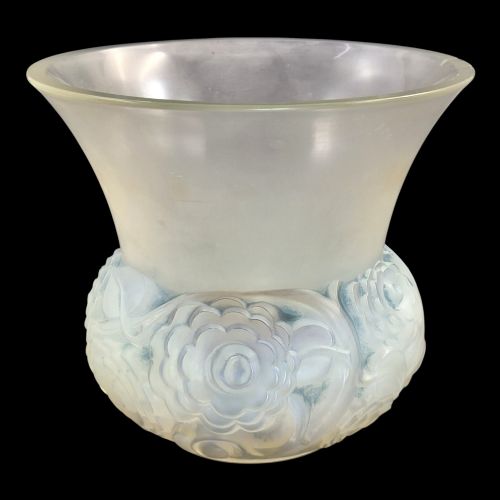
These pieces of moulded glass bowl bring tactile relief and rhythmic pattern to a room, shifting light across deep-pressed floral motifs and opalescent surfaces.
Molded Glass Bowl
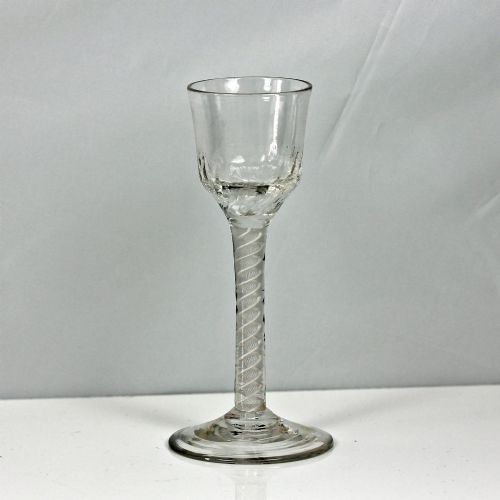
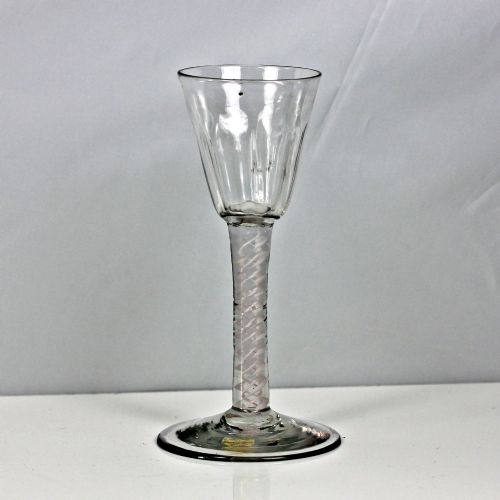
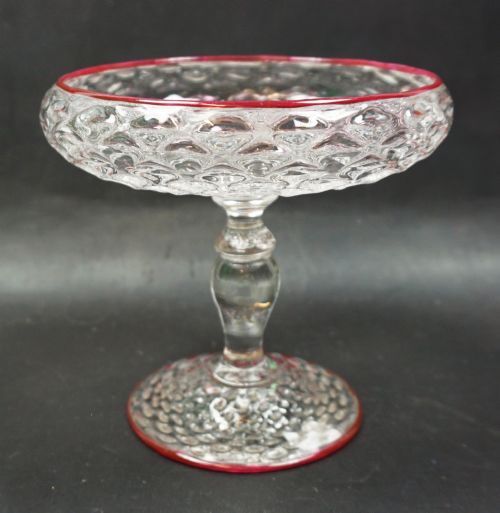
When you search for a moulded glass bowl, you encounter vessel forms that range from shallow decorative pieces to deep footed compotes and powder boxes. The selection here leans heavily towards early twentieth-century French production, alongside eighteenth-century Georgian wine glasses and sweetmeat vessels with moulded bowl elements.
The forms span utilitarian glass plates and powder boxes to grand Art Deco chargers and ceiling lights. You meet works designed for display, dining, and interior illumination, reflecting shifts in taste from Georgian plain stems to opalescent modernism.
How they were made
Molten material entered metal or carved moulds to shape the exterior relief while workers finished the interiors by hand. Lead glass and crystal provided heavy, ringing clarity, whilst frosted and opalescent recipes scattered light across floral and geometric designs.
Makers utilised staining, enamelling, and pressing techniques to heighten contrast within the relief patterns. Ribbed, flute-moulded, and honeycomb textures emerged directly from the mould before cooling and polishing took place.
Molded Glass Bowl Retail Price Guide 2026
Typical asking prices for molded glass bowl among the pieces listed under this phrase on Sellingantiques today, from the lower quarter to the upper quarter. They describe what is for sale here now, not the wider market.
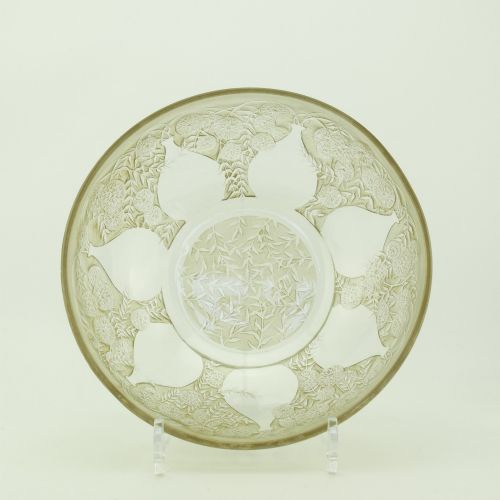
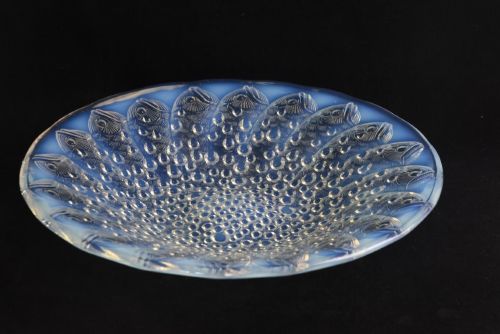
Cherries, fish, and scattered flower heads permanently frozen in glowing glass bring an everlasting garden indoors.
What varies in quality
Depth of relief and crispness of detail separate superior examples from softer secondary production. Strong opalescent fire and deliberate use of grey staining reveal purposeful artistry rather than routine pressing.
Weight, metal purity, and balance dictate the integrity of the piece, whether in a heavy crystal tazza or a delicate opalescent coupe. Signatures and registration marks provide tangible evidence of origin and maker intent.
Rene Lalique·G Vallon·Jobling·Etling
The Molded Glass Bowl Glossary
- Opalescent Glass
- Glass that displays a milky blue or orange glow when lit from certain angles. This optical effect results from the addition of specific agents to the molten batch.
- Moulded Glass
- Glass shaped by being pressed into or blown within a prepared mould. This technique creates raised patterns and consistent exterior forms.
- Tazza
- A shallow bowl or plate mounted on a stem and foot. It serves as a traditional display piece for fruit or sweetmeats.
- Baluster
- A tapering, thick-stemmed support on glassware, often featuring swelling nodes. It is common on eighteenth-century drinking vessels.
- Plafonnier
- A ceiling-mounted bowl light fixture. These pieces direct illumination downwards through pressed or frosted glass.
Molded Glass Bowl: Frequently Asked Questions
What is an opalescent glass bowl?
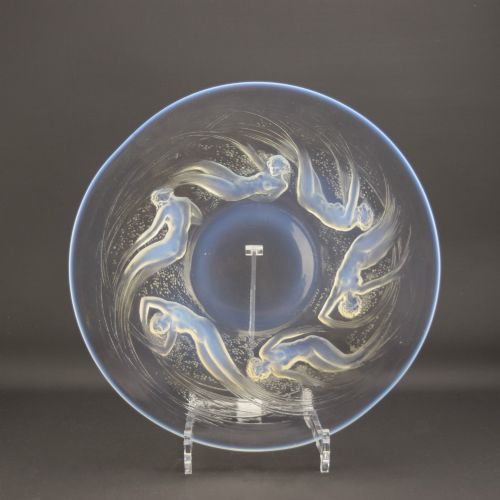
An opalescent glass bowl shows a characteristic milky blue or fiery orange shimmer across its raised surfaces. The effect shifts dynamically as natural light moves across the moulded floral or geometric relief.
These pieces gained immense popularity during the early twentieth century, particularly through French design houses. They combine utilitarian function with sculptural presence.
How do I style a glass bowl?
Place a shallow coupe or charger where natural daylight can strike the opalescent or frosted surface. The interplay of light brings out the depth of the moulded motifs.
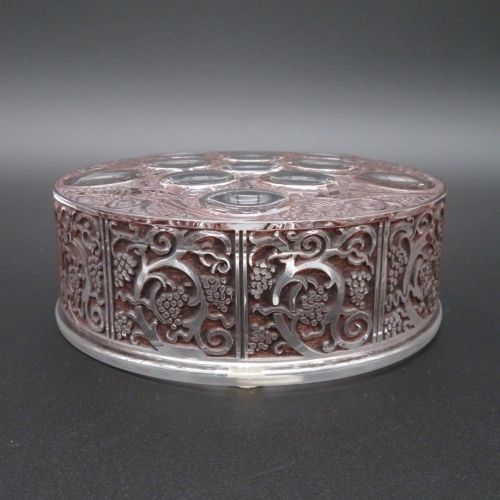
Alternatively, use smaller lidded boxes and footed bowls on side tables or dressing surfaces. Their tactile relief rewards close inspection in domestic spaces.
How are Georgian bowls different?
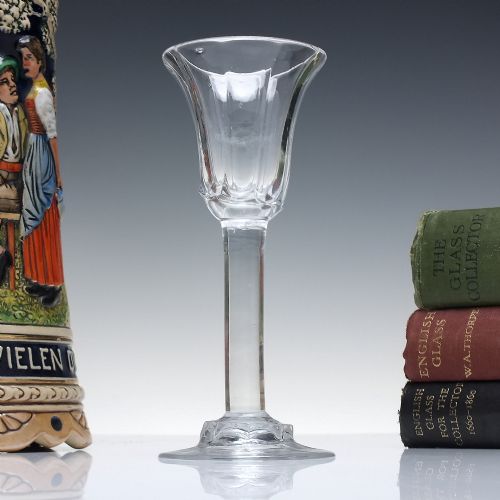
Georgian examples often incorporate moulded elements into drinking vessels like wine glasses and sweetmeat holders rather than standalone decorative bowls. These feature rib-moulded or flute-moulded bowls atop plain or air-twist stems.
They reflect an entirely different era of glasshouse production compared to later Art Deco pressed wares. The lead glass used in these pieces gives them a distinct weight and ring.
Are these pieces signed?
Many twentieth-century French pieces carry moulded signatures or engraved marks identifying the maker. Signatures validate the workshop origin and help contextualise the production period.
Unsigned pieces still offer distinct period characteristics through their glass composition and moulding style. Examining the clarity and weight helps determine their age and quality.