


Molded Art Glass
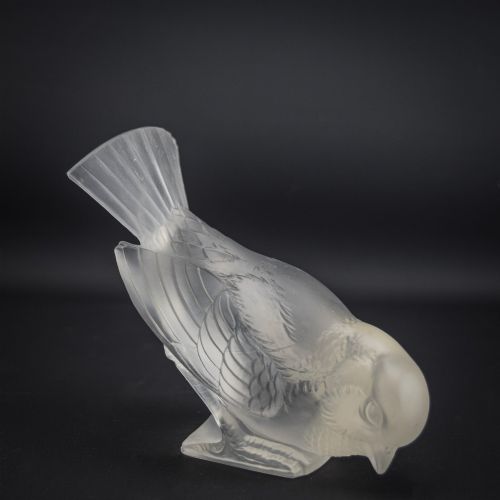
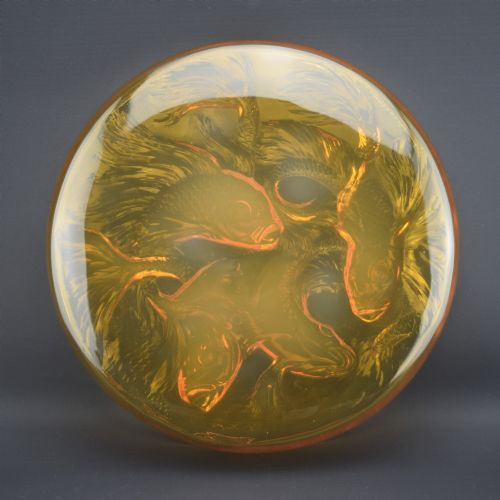
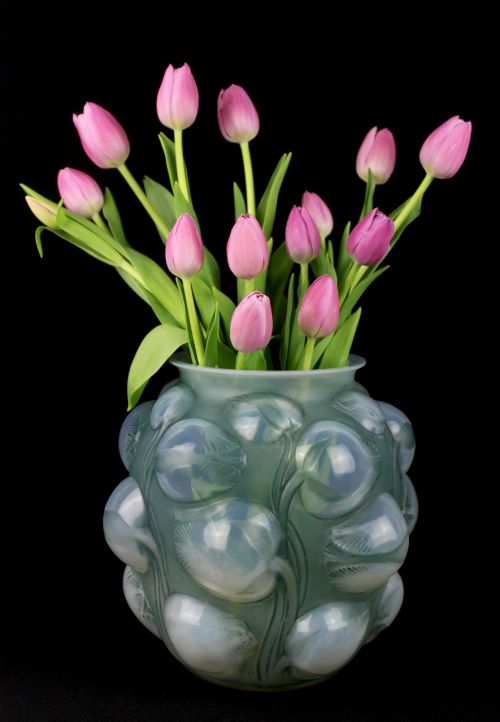
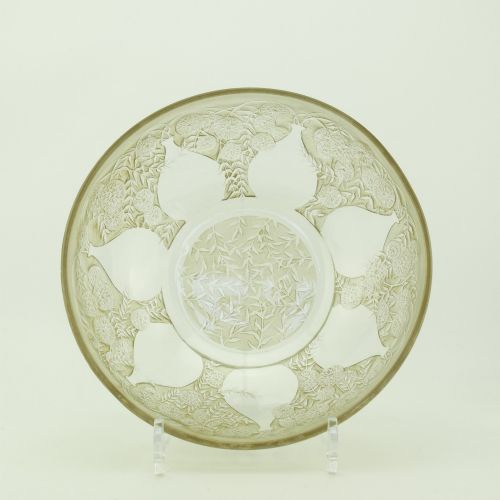
These pieces of moulded art glass bring tactile relief and deep translucency to any room, rooted in the design movements of the early twentieth century.
Molded Art Glass
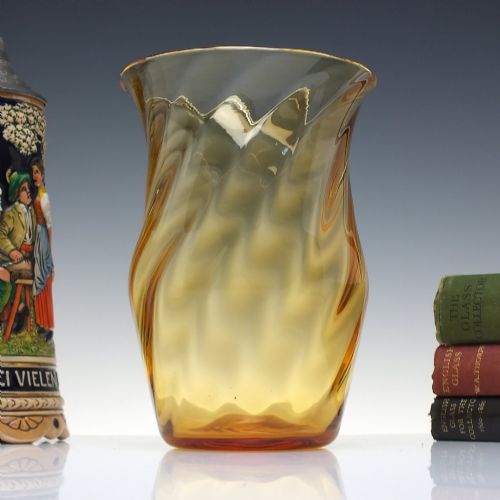
Moulded art glass encompasses decorative and functional objects produced primarily during the early twentieth century, spanning periods such as Edwardian, 1900, 1910, 1920, and 1930. The pieces reflect distinct design movements including Art Nouveau, Arts and Crafts, and Art Deco.
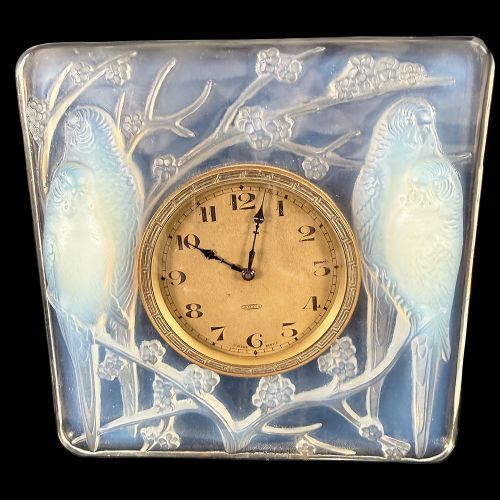
The inventory on this page leans heavily toward the 1920s and 1930s, showcasing items created during the height of decorative glass production. Vases, bowls, car mascots, perfume bottles, clocks, and lighting fixtures dominate the selection.
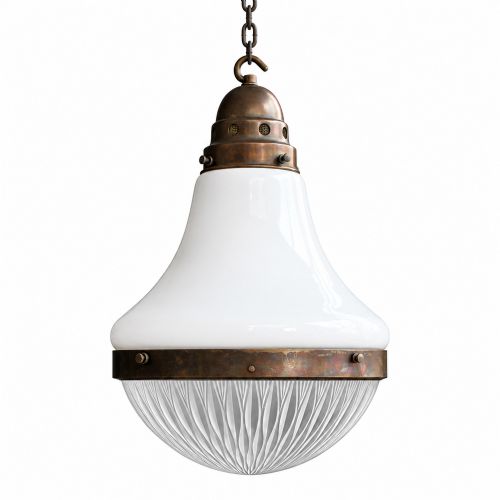
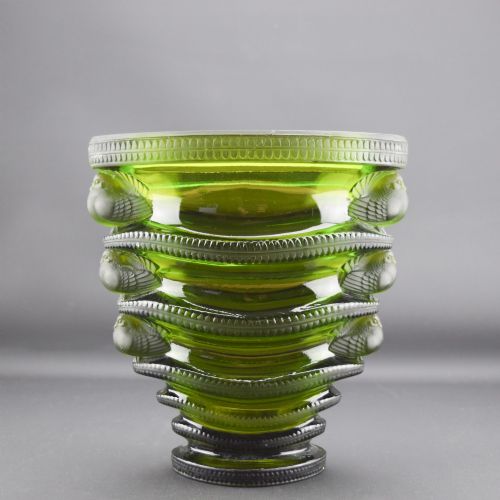
Makers and designers of the period utilised pressing techniques to shape molten material into complex figurative and geometric reliefs. These ranged from utilitarian boxes and ashtrays to sculptural vases and illuminated wall sconces.
Materials and Technique
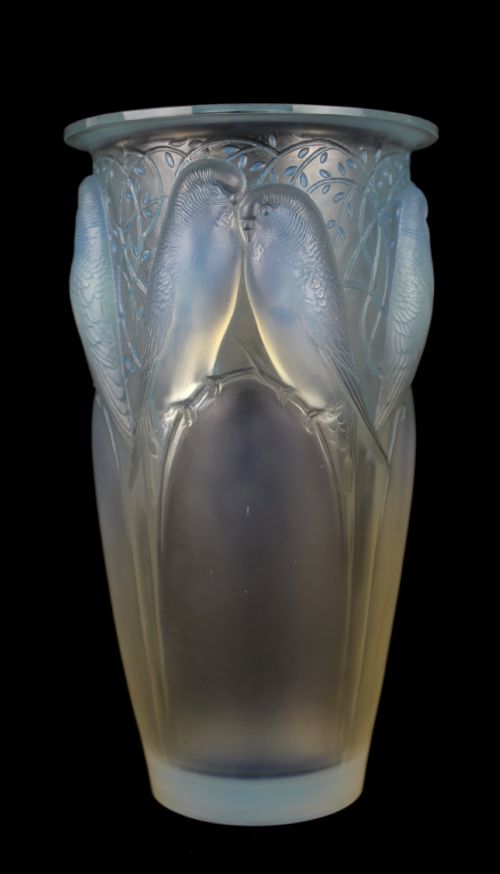
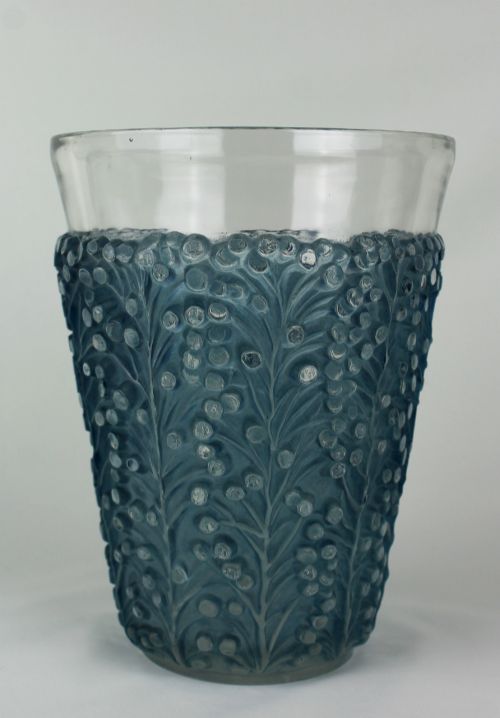
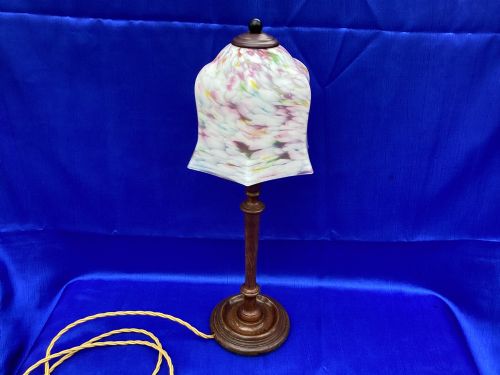
Makers worked with frosted glass, opalescent glass, clear glass, crystal, and occasionally incorporated coloured stains or enamel highlights. Metal mounts in brass or chrome frequently completed pieces such as wall lights and table lamps.
Techniques relied heavily on press-molding, where molten material entered a metal or iron mould under pressure to capture sharp details in relief. Subsequent acid-etching, frosting, or polishing accentuated the contrast between raised design elements and recessed areas.
Molded Art Glass Retail Price Guide 2026
Typical asking prices for molded art glass among the pieces listed under this phrase on Sellingantiques today, from the lower quarter to the upper quarter. They describe what is for sale here now, not the wider market.
Drivers once navigated dusty lanes guided by the amber glow of a glass beetle.
Judging Quality
Quality rests upon the crispness of the moulded relief and the depth of the optical effects achieved within the material. Superior examples display precise contours and subtle shifts in opalescence that catch ambient light effectively.
The integration of secondary materials, such as patinated metal mounts or deliberate stained accents, contributes to the overall coherence of the design. The handling of the surface finish determines whether the tactile qualities of the glass succeed.
René Lalique·G Vallon·Gallé
The Molded Art Glass Glossary
- Opalescent glass
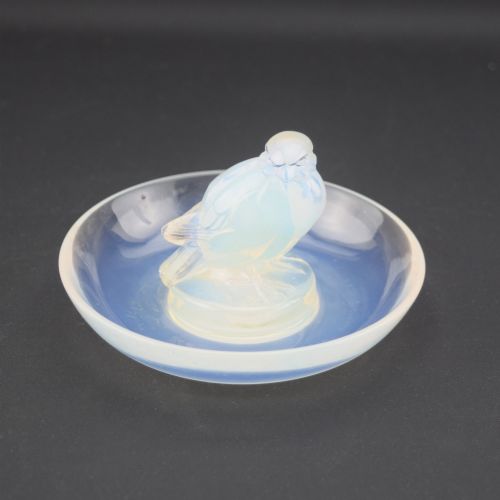
- Glass that diffuses light to display a milky blue or amber appearance depending on the angle of illumination. This effect results from the addition of specific chemical agents during the melt.
- Frosted glass
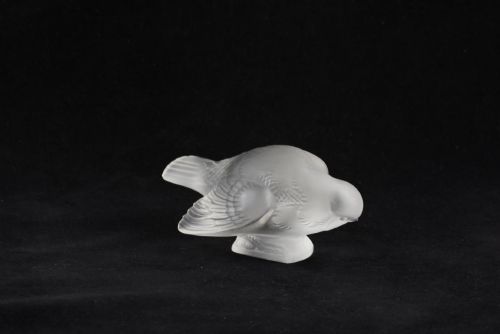
- Glass treated to achieve a matte, non-reflective surface texture through acid-etching or sandblasting. The technique creates a soft contrast against polished high points in moulded designs.
- Press-molded glass
- Glass shaped by being forced into a metal mould using a mechanical plunger. This method allows for the mass production of complex decorative patterns and deep relief work.
- Car mascot
- A sculptural glass ornament mounted on the radiator cap of a motor vehicle during the early twentieth century. Many were produced in heavy moulded glass to catch sunlight during transit.
- Cameo glass
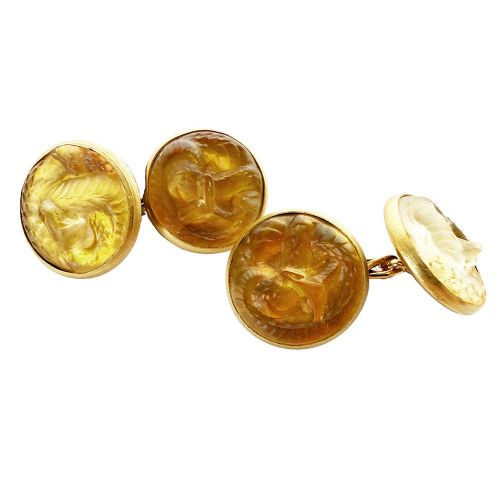
- Glass vessels created by layering two or more coloured glasses and carving away sections to produce a raised design. The method demands considerable manual skill and precision.
Molded Art Glass: Frequently Asked Questions
What is moulded art glass?
Moulded art glass consists of decorative objects shaped by pressing molten material into metal moulds during the early twentieth century. These items include vases, bowls, and lighting.
The category encompasses works associated with the Art Deco and Art Nouveau movements, utilising frosted, clear, and opalescent finishes.
Where were these pieces made?
The majority of these objects originate from French workshops and glassworks active during the first half of the twentieth century. Regional centres of glass production developed distinct styles.
Individual designers often collaborated with specific factories to execute complex moulded designs in crystal and opalescent glass.
How should I clean my glass?
Cleaning requires warm water and mild soap applied with a soft cloth to protect vulnerable frosted or stained surfaces. Avoid abrasive cleaners or harsh chemicals.
Careful handling prevents damage to delicate raised reliefs and secondary metal components such as brass or chrome mountings.