







Modernist Silver Pendant
These modernist silver pendant pieces offer striking geometric design and clean metalwork, bringing together decades of experimental craftsmanship from workshops across Europe.
Modernist Silver Pendant
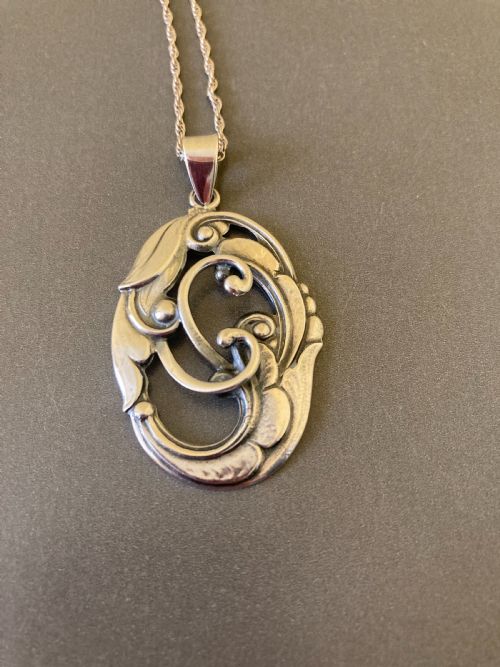
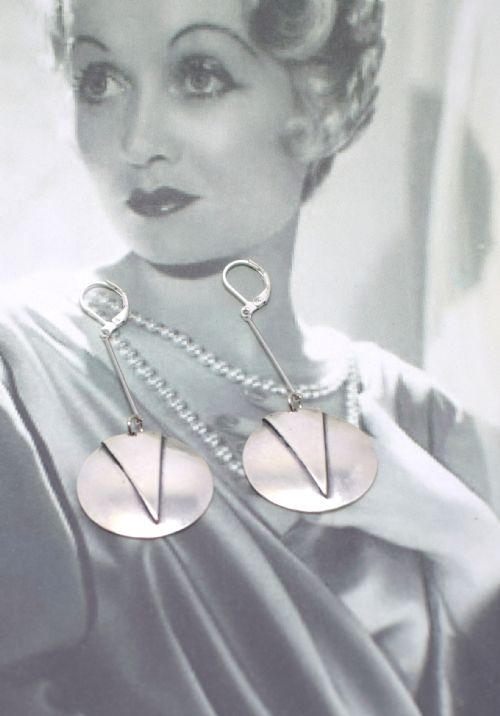
A modernist silver pendant brings together the clean lines and geometric focus of twentieth-century design. When you search for a modernist silver pendant, you encounter pieces that span Scandinavian workshops, Art Deco creations, and mid-century modern experiments.
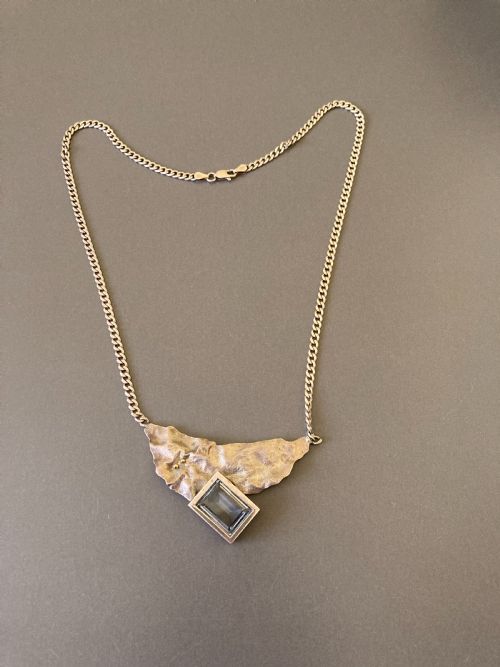
The selections on this page lean heavily towards mid-century Scandinavian output alongside earlier Art Deco iterations. You find sterling silver combined with enamel, glass, and occasional stones like blue topaz or milk opal.
Forms range from simple geometric drops to complex torques and pendant necklaces. The makers represented stretch from individual Danish silversmiths to larger Norwegian and Finnish houses.
Materials and construction
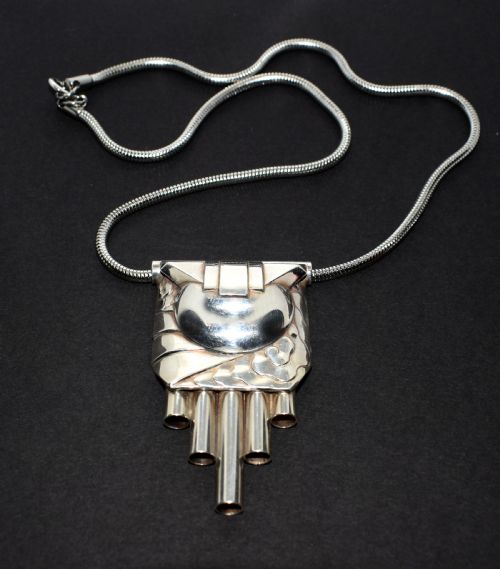
The primary metal across these pieces is sterling silver, supported by silver plate, chrome, and base metal in certain Art Deco examples. Makers utilised these metals to create structural, architectural frames that often highlight the cool tone of the silver.
Enamel work and coloured glass provide vibrant contrast within the metallic settings, particularly in Scandinavian and Art Deco pieces. Organic and synthetic materials like Galalith and various stones add focal points to the metalwork.
Modernist Silver Pendant Retail Price Guide 2026
Typical asking prices for modernist silver pendant among the pieces listed under this phrase on Sellingantiques today, from the lower quarter to the upper quarter. They describe what is for sale here now, not the wider market.
The design origins span Denmark, Norway, and Finland, representing distinct regional approaches to modernist metalwork from the nineteen-thirties onward.
Distinguishing quality
Quality in these pendants rests upon the precision of the metalwork and the integration of any decorative elements such as enamel or stones. Stronger examples display deliberate weight, clean solder lines, and confident geometric articulation.
The distinction between standard commercial output and finer studio work often lies in the originality of the design and the crispness of the finish. Maker attribution and well-preserved surface patination further elevate the standing of an individual piece.
G Hoppe·Georg Jensen·David Andersen·Jakob Bengel·Kultateollisuus Ky
The Modernist Silver Pendant Glossary
- Sterling silver
- An alloy containing a high proportion of pure silver combined with other metals for durability. This material forms the primary body of the better pendants listed.
- Galalith
- A semi-synthetic plastic derived from milk protein, popular in Art Deco jewellery. It provides smooth, colourful geometric sections within metal frames.
- Torque
- A rigid circular neck ring that is open at the front, often supporting a fixed pendant drop. This form appears in mid-century Scandinavian designs.
- Skonvirke
- A Danish decorative art movement that influenced early twentieth-century metalwork. It combines traditional craft with naturalistic motifs.
Modernist Silver Pendant: Frequently Asked Questions
How do I date a modernist silver pendant?
Dating relies on stylistic markers, materials, and maker marks stamped on the reverse of the metal. Art Deco pieces often feature chrome or silver plate with Galalith, whereas mid-century Scandinavian works tend to use sterling silver and clean geometric drops.
Examining the clasp types and any associated maker signatures helps narrow the decade of production. Pieces from the nineteen-thirties differ visibly in their industrial aesthetic compared to the organic mid-century Scandinavian output.
Are these pendants usually sold with chains?
Many listings include matching chains or incorporate the pendant directly into a necklace or torque structure. The mounting often reflects the specific design philosophy of the workshop.
Original chains frequently match the metal purity and style of the pendant itself. Where a chain is absent, the bail size indicates the type of cord or chain suitable for wear.
What is the difference between Art Deco and mid-century modernist pendants?
Art Deco pendants emphasise symmetrical geometry, industrial chrome, and colourful plastics or enamel. They reflect the machine age aesthetic of the nineteen-thirties.
Mid-century modernist pieces, particularly from Scandinavian makers, lean towards organic abstraction and simplified sterling silver forms. These later works often incorporate natural stones like moonstone or topaz rather than synthetic materials.
How do I care for silver and enamel jewellery?
Silver components benefit from gentle cleaning with a soft cloth to maintain the surface finish. Avoid harsh chemical dips, especially when enamel or stones are present.
Store pendants individually in soft pouches to prevent scratching against other metal items. Enamel requires particular care to protect the glass surface from impact.