





Modernist Drawing
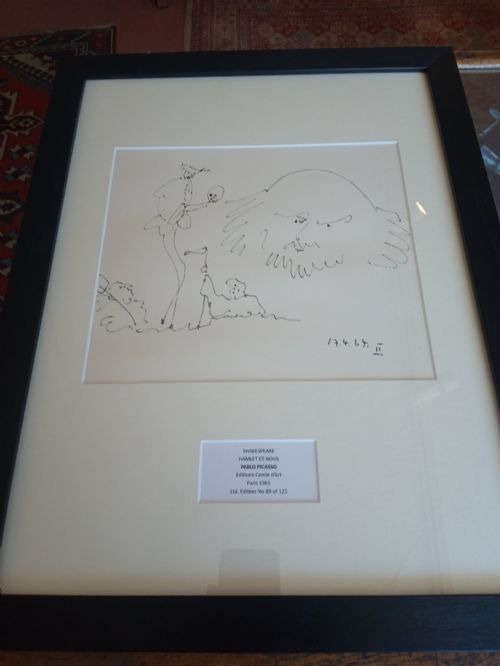
Modernist drawing works on paper bring immediate graphic energy to a wall, capturing rapid observation through ink, pencil, and wash.
Modernist Drawing
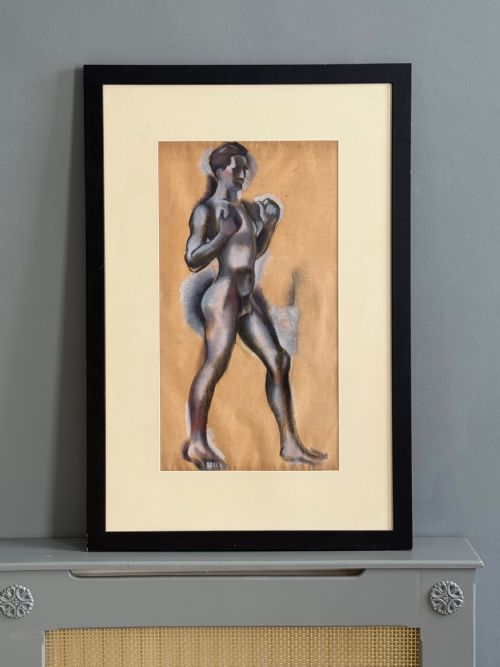
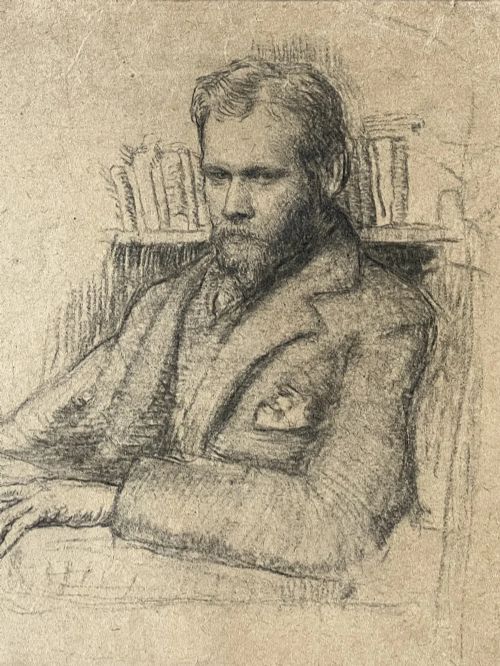
When you search for a modernist drawing, you encounter original works on paper spanning from the Edwardian era through the mid-twentieth century and later. These pieces capture figures, dancers, and abstract forms through direct marks rather than heavily finished oil paintings.
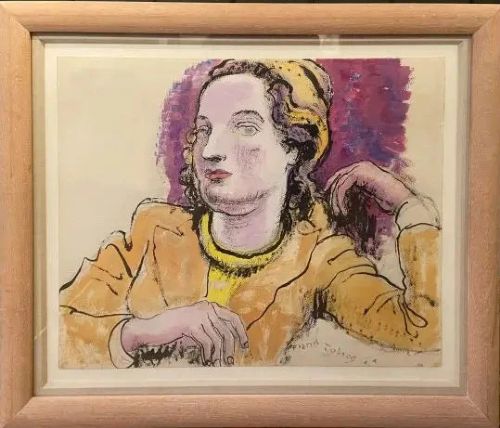
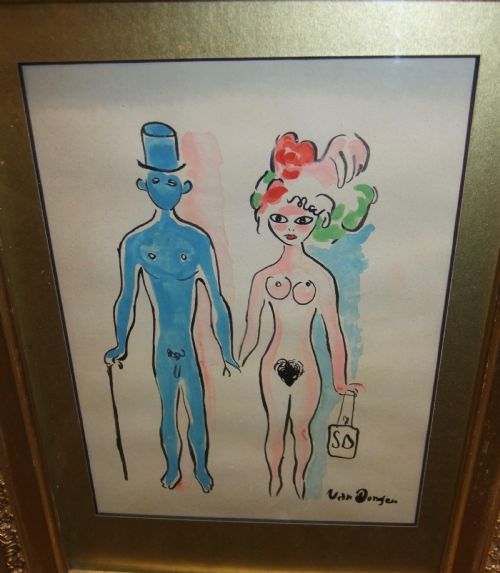
The selections available here showcase distinct stylistic movements including Art Deco, Cubism, Fauvism, and Modern British Art. Formats range from intimate pencil studies to framed watercolours and ink line drawings.
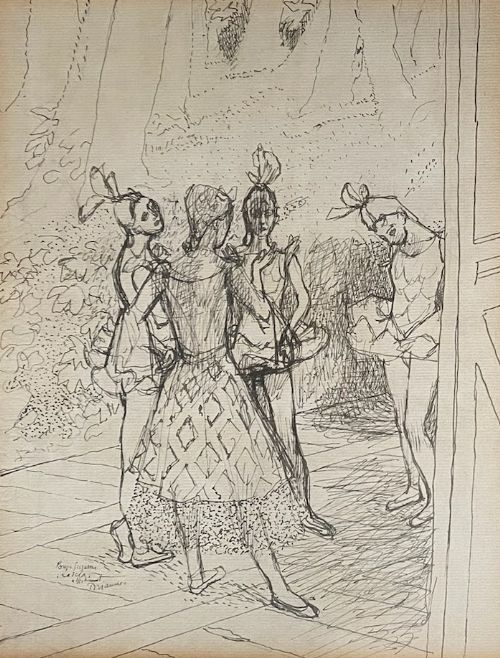
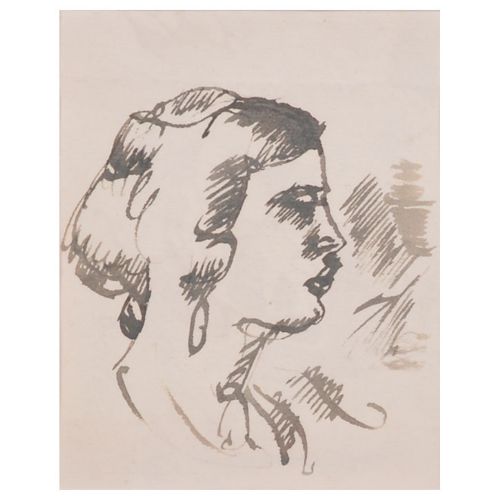
Portraits of artists' assistants, backstage dancers, and sculptural nudes dominate the subjects. Such works provide direct insight into the preparatory and expressive hand of twentieth-century artists.
Materials and technique
Artists worked primarily on paper supports, applying mediums such as graphite, charcoal, ink, pastel, and watercolour. These materials allowed for immediate execution and rapid recording of gesture and light.
Techniques vary from delicate single-line ink drawings to multi-media works like deux crayon compositions. Framing under glass protects these delicate paper surfaces from environmental degradation.
Modernist Drawing Retail Price Guide 2026
Typical asking prices for modernist drawing among the pieces listed under this phrase on Sellingantiques today, from the lower quarter to the upper quarter. They describe what is for sale here now, not the wider market.
The collection includes a postmistress moonlighting as an exotic dancer, proving that Edwardian postal workers led surprisingly theatrical secret lives.
Evaluating quality in works on paper
Quality rests upon the confidence of the line and the economy of the marks used to define the subject. A superior drawing captures form and movement with minimal hesitation, whereas lesser examples rely on laboured shading.
The significance of the subject and the clarity of the artist's hand distinguish exceptional sheets from minor sketches. Provenance and association with documented exhibitions further elevate the standing of a piece.
AUGUSTUS JOHN·Maurice Brianchon·Frank Dobson·Samuel Rabin·Dame Elisabeth Frink·Lucien Gibert·Demetrios Galanis·Adrian Heath·John Duncan Fergusson·Kees van Dongen·Henry Bird
The Modernist Drawing Glossary
- Works on paper
- A broad classification for art created on paper supports, including drawings, watercolours, prints, and pastels. These items require careful framing behind glass to prevent light damage.
- Deux crayon
- A drawing technique utilising two different coloured pencils or chalks, often black and red, on tinted or white paper. This method adds tonal depth and volume to figurative studies.
- Gouache
- An opaque water-based paint that provides solid, flat areas of colour with a matte finish. Artists often combine it with watercolour or ink on paper.
- Cubism
- An avant-garde art movement that fractured subjects into geometric planes and multiple viewpoints. Drawings in this style emphasise structural form over realistic perspective.
- Provenance
- The documented history of ownership of an artwork, establishing its authenticity and chain of custody. Strong provenance often includes exhibition records and gallery labels.
Modernist Drawing: Frequently Asked Questions
What defines a modernist drawing?
A modernist drawing is an original work on paper executed during the twentieth century that departs from traditional academic realism in favour of abstraction, expressive line, or simplified form.
These works often use materials like ink, pencil, and watercolour to record rapid observations and experimental compositions.
How should I frame and display works on paper?
Works on paper require conservation framing behind glass or acrylic to protect them from dust, moisture, and ultraviolet light damage.
Keep them away from direct sunlight to prevent the fading of inks, watercolours, and tinted papers.
Are these drawings original or prints?
The pieces featured here are original hand-drawn artworks created directly by the artist on paper, unless specifically designated as a limited edition print.
Close inspection of the surface reveals the texture of graphite, ink deposition, or watercolour washes unique to each individual sheet.
What periods do these drawings cover?
The inventory spans the Edwardian period, the 1920s and 1930s Art Deco era, mid-century examples from the 1950s and 1960s, and later works.
Each period brings distinct stylistic approaches, moving from early twentieth-century portraiture toward post-war abstraction and Fauvist colour.