





Modern British Impressionist Painting
Modern british impressionist painting captures light and landscape across the twentieth century through oil and canvas.
Modern British Impressionist Painting
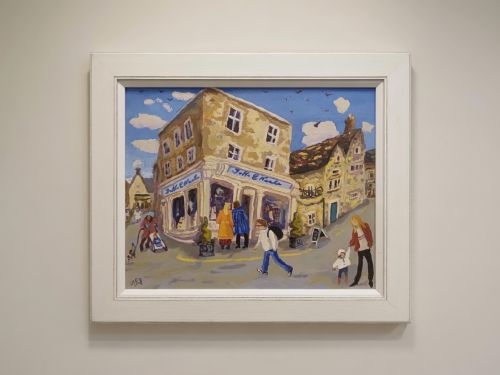
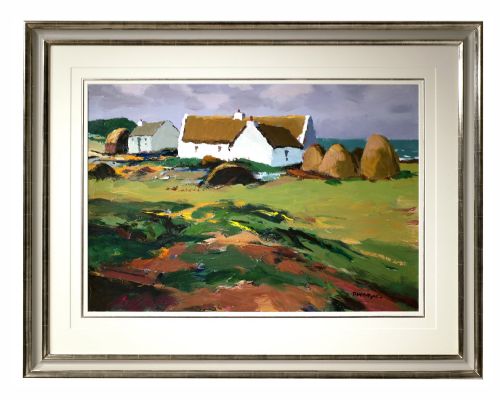
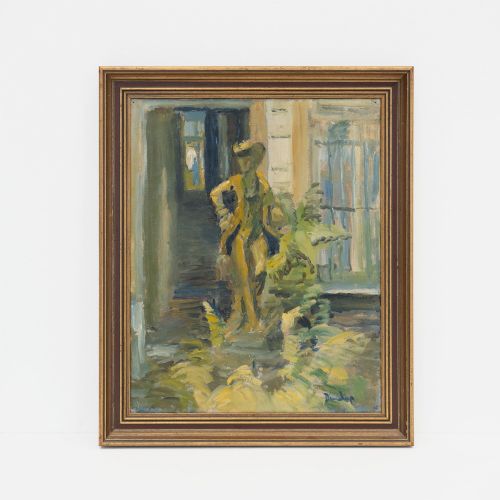
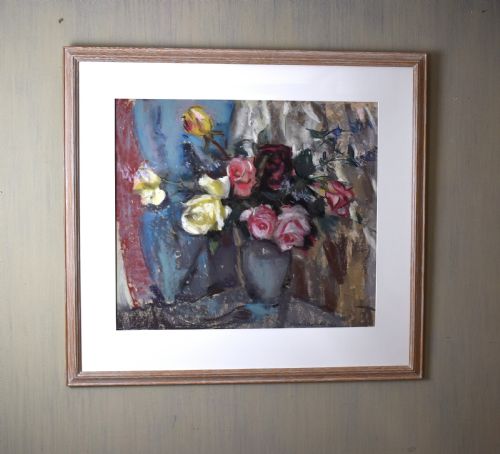
A modern british impressionist painting is an original work of fine art created during periods such as the Edwardian era, the 1920s, 1930s, 1940s, 1950s, and 1960s. These pieces include wall art, oil paintings, and watercolours depicting landscapes, coastal scenes, portraits, and still life studies.
Buyers will most frequently encounter oil paintings on canvas or board, alongside works on paper and wood panels. The subject matter ranges from Welsh valleys and Norfolk marshes to self-portraits and garden scenes.
The styles encompass early twentieth-century modernism, post-impressionism, and contemporary British movements. Works often reflect regional British and European locations recorded by named artists of the period.
How they were made
Artists applied oil paint, watercolour, gouache, and pastel onto traditional supports including canvas, wood panel, board, and paper. These materials define the physical structure of the paintings found in this collection.
Techniques rely on visible brushwork and fluid application of pigment to capture light and atmosphere. Paint is layered directly onto canvas or board, sometimes accompanied by pencil underdrawing in works on paper.
Modern British Impressionist Painting Retail Price Guide 2026
Typical asking prices for modern british impressionist painting among the pieces listed under this phrase on Sellingantiques today, from the lower quarter to the upper quarter. They describe what is for sale here now, not the wider market.
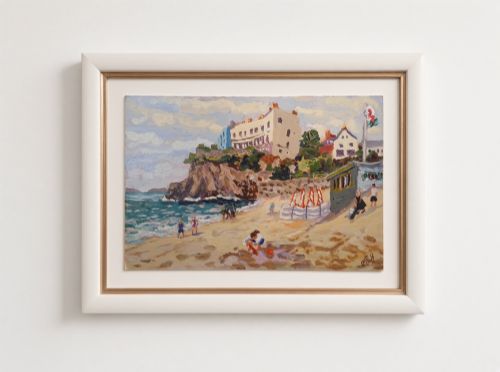
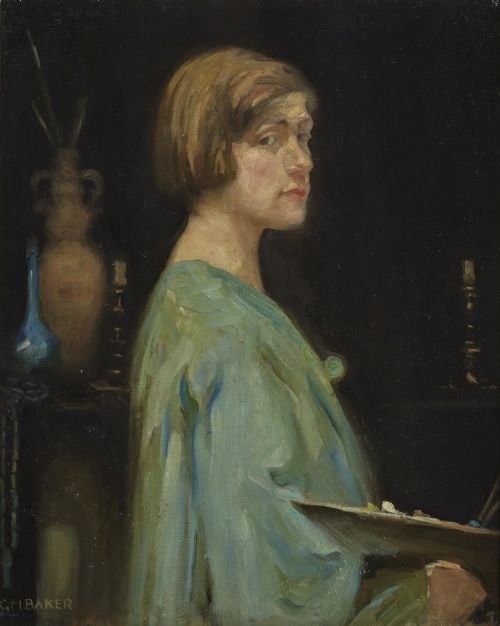
Children playing on the beach share space with earnest self-portraits and quiet barn interiors.
What varies in quality
Quality rests in the confidence of the brushwork and the clarity of composition. Stronger examples demonstrate a assured handling of light and pigment that defines the impressionist approach.
The significance of the artist and the distinctness of the subject matter elevate individual works. Pieces with documented provenance or stronger regional association stand apart from simpler studies.
Lucy Pratt·Martin Walton·Gladys Marguerite Baker·Eric Brown·Donald McIntyre·Ronald Ossory Dunlop·Hubert Wellington·Fred Lawson·Edward Seago·Philippa Maynard Romer·Sir Matthew Smith·Jeffrey Pratt·Lena M Alexander·Ernest Higgins Rigg·Nora Munro Summers·Dame Laura Knight·Hermoine Hammond·Bernard Meninsky·Alastair Flatterly
The Modern British Impressionist Painting Glossary
- Oil Paint
- A slow-drying paint made by combining pigment particles with a drying oil, most commonly linseed oil. This medium allows for thick impasto application and subtle blending.
- Canvas
- A heavy woven fabric stretched across a wooden frame to serve as a durable support for oil painting. It provides texture and flexibility for the applied paint layers.
- Post-Impressionism
- An art movement developing from impressionism that focuses on symbolic content, heavier outlines, and expressive use of colour. Practitioners extended impressionist techniques toward greater structural form.
- Gouache
- An opaque water-based paint consisting of pigment, water, and a binding agent such as gum arabic. It dries to a matte finish and is often combined with watercolour and pencil.
Modern British Impressionist Painting: Frequently Asked Questions
What periods do these paintings cover?
The selection spans from the Edwardian era through the 1920s, 1930s, 1940s, 1950s, and 1960s. These decades encompass various phases of twentieth-century British modernism.
Individual works reflect the shifting aesthetic priorities of artists working through the interwar and postwar years.
What surfaces are used for these works?
Artists painted on canvas, wood panels, boards, and paper supports. Oil paint is the predominant medium, alongside occasional watercolours and pastels.
The choice of support often relates to the date and intended scale of the piece.
How do I identify the subject matter?
Subjects include British landscapes, coastal views, beach scenes, gardens, and portraits. Many works specify precise locations such as Tenby, Chipping Norton, or Norfolk.
Titles and signatures on the front or reverse often provide direct reference to the place depicted.
Are these paintings signed?
Many examples feature artist signatures or attributions noted in the listing titles. Signatures appear directly on the paint surface or on the backing materials.
Documentation varies across individual works depending on the artist's practice.