





British Seaside Oil Painting
A british seaside oil painting captures the coast's enduring light and salty air, bringing the atmosphere of harbour and shore directly into your room.
British Seaside Oil Painting
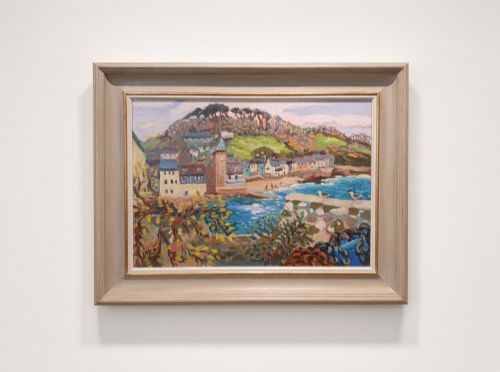
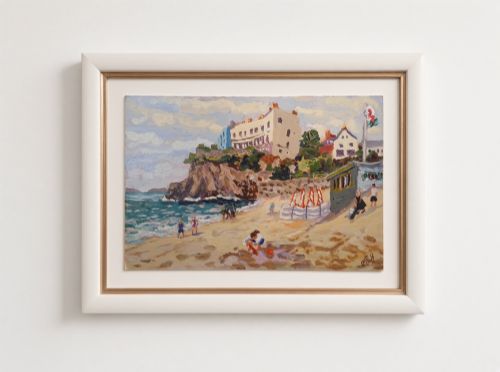
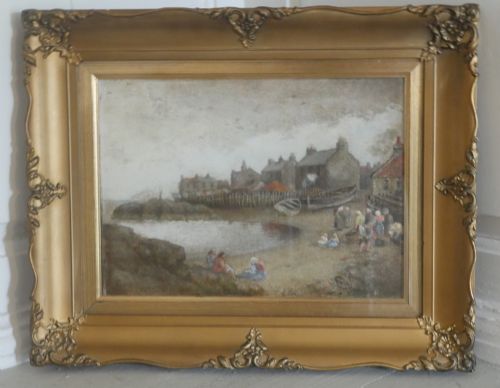
You meet Victorian topographical views of pleasure piers alongside genre seascapes of fisher folk on beaches. The forms include harbour scenes, cliff views, and children playing by the shore.
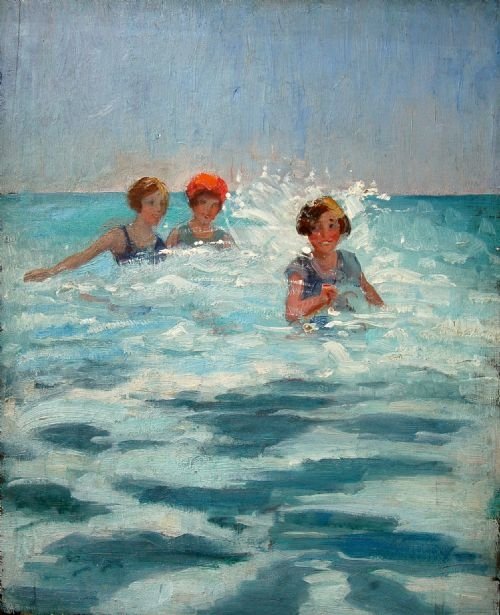
The prevalent approaches range from Victorian realism to British impressionism and mid-century impressionist handling of coastal light.
How they were made
These works utilise oil paint applied to canvas, board, or wood supports. Artists built up textures and tones to render the changing effects of sea spray, sand, and sky.
Many are housed within timber frames, including gilt wood frames that complement the traditional subjects.
British Seaside Oil Painting Retail Price Guide 2026
Typical asking prices for british seaside oil painting among the pieces listed under this phrase on Sellingantiques today, from the lower quarter to the upper quarter. They describe what is for sale here now, not the wider market.
What varies in quality
Quality reveals itself in the artist's handling of coastal atmosphere and light, distinguishing lively impressionist brushwork from stiff topographical recording.
The vitality of the composition, particularly in the depiction of figures such as children on the beach or fisher folk, separates standard topographical records from accomplished fine art paintings.
Lucy Pratt·Edward Mills·Jeffrey Pratt·Jack R Mould·John Sanderson Wells·William Greaves·James Watson·Alfred Egerton Cooper·Harry John Pearson·John Duvall
The British Seaside Oil Painting Glossary
- Impressionism
- A style of painting that focuses on light and its changing qualities rather than precise detail. This approach suits coastal scenes where weather and water shift constantly.
- Topographical
- A genre of art that depicts specific real places with geographic accuracy. These works often record historical piers and harbours as they appeared in past centuries.
- Genre seascape
- A painting that combines marine views with everyday human activity on the shore. Fisher folk and children playing are typical subjects within this category.
- Oil on canvas
- A traditional medium involving pigment suspended in drying oils applied to stretched fabric. It allows for rich texture and deep colouration.
- Gilt wood
- Timber framing treated with gold leaf or gold-coloured finish. These frames add a formal boundary to nineteenth-century and vintage canvases.
British Seaside Oil Painting: Frequently Asked Questions
What subjects appear in these paintings?
The works depict British coastal locations, focusing on harbours, cliffs, and piers. Common scenes include children playing on beaches, donkeys on the sand, and fisher folk at work.
Views range from specific named spots in Cornwall, Yorkshire, and Devon to general topographical records of southern pleasure piers.
How do I date a seaside painting?
Dating relies on stylistic clues, framing, and recorded artist timelines spanning the nineteenth century through the modern era. Victorian works often show formal dress and documentary precision, while later pieces adopt impressionist brushwork.
Signatures, stretcher construction, and materials like board or canvas also help narrow the period of creation.
Where should I hang a coastal oil painting?
These works suit spaces that benefit from natural light, reflecting the open air and water of their subjects. They pair well with neutral walls that allow the tones of the sea and sky to stand out.
Keep them away from direct sunlight and damp environments to protect the oil paint and timber frames.
What is British Impressionism?
British Impressionism adapts continental techniques to the local landscape, emphasising natural light and rapid brush strokes. Artists working in this style capture the transient weather and bright reflections found on British shores.
This approach brings a sense of movement and immediacy to scenes of surf and sand.