






Mirrored Side Table
These mirrored side table designs bring reflecting glass and timber together across the nineteenth and twentieth centuries.
Mirrored Side Table
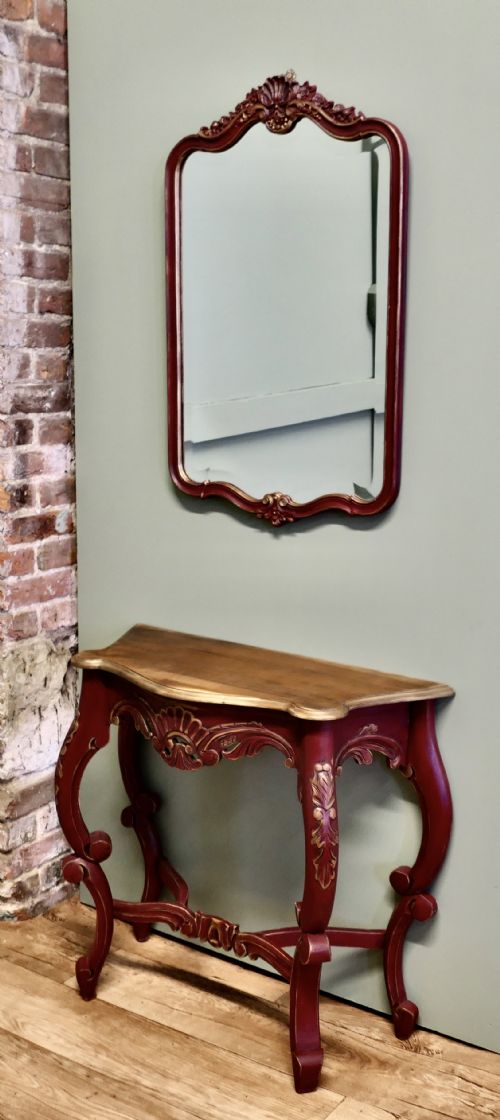
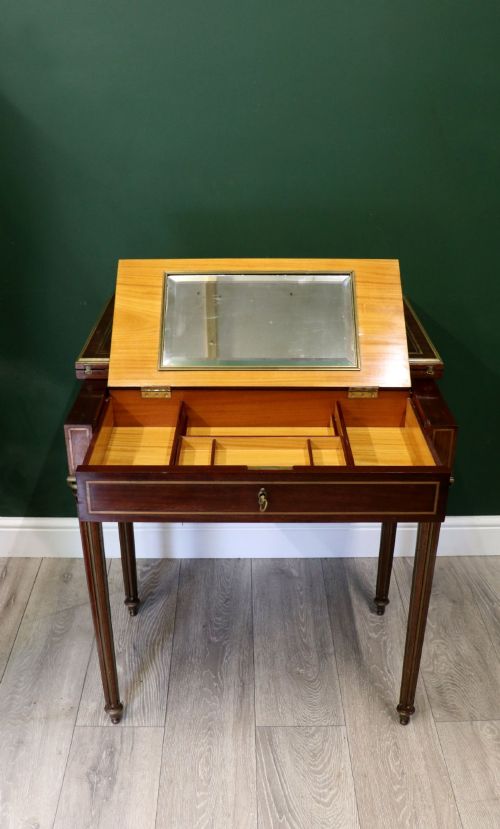
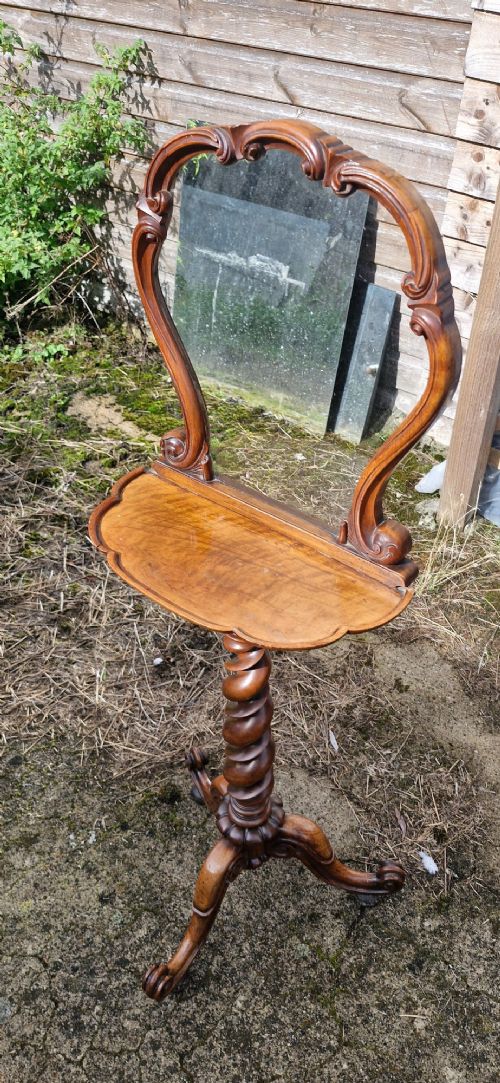
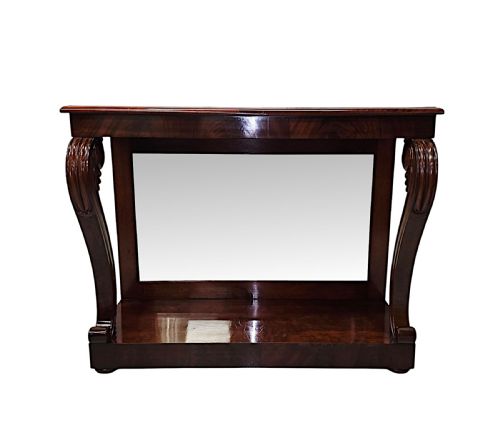
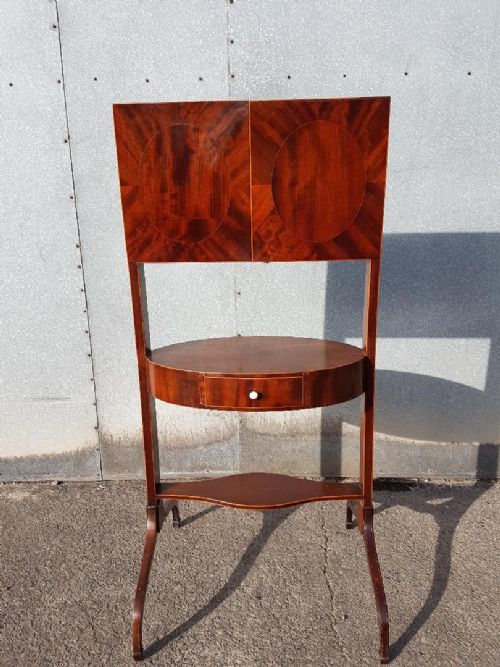
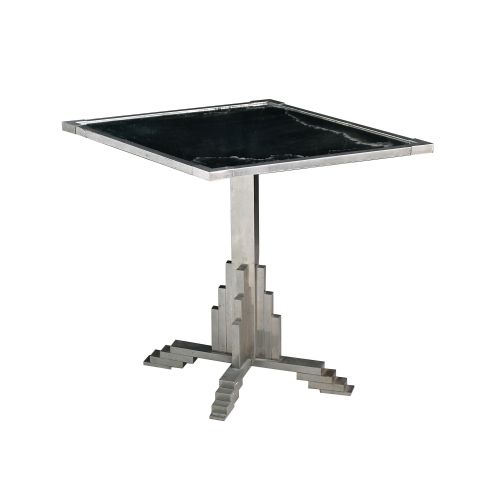
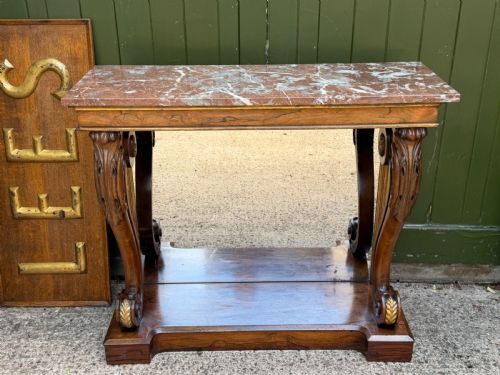
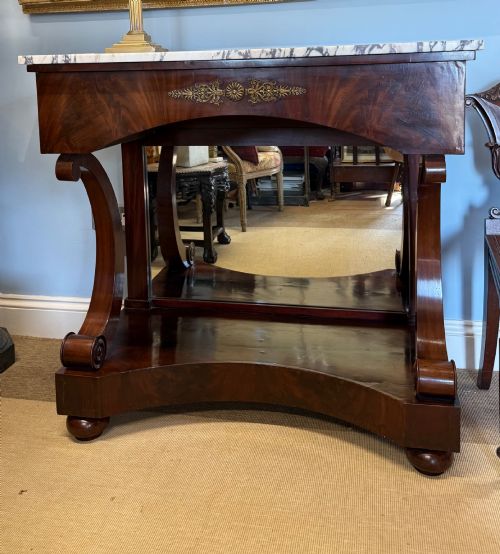
When you search for a mirrored side table, you encounter console tables, occasional pieces and side cabinets spanning the nineteenth and twentieth centuries, often incorporating inset glass or companion wall plates. The examples met most frequently on this page belong to the Regency, Victorian and Art Deco periods, drawing on French, Italian and English traditions of cabinet making.
Many forms combine timber frames with reflective surfaces, ranging from marble-topped console tables with mirror backs to low occasional tables featuring mirrored tops. These objects served functional roles in reception rooms and hallways, where reflective glass amplified light and displayed decorative items.
How they were made
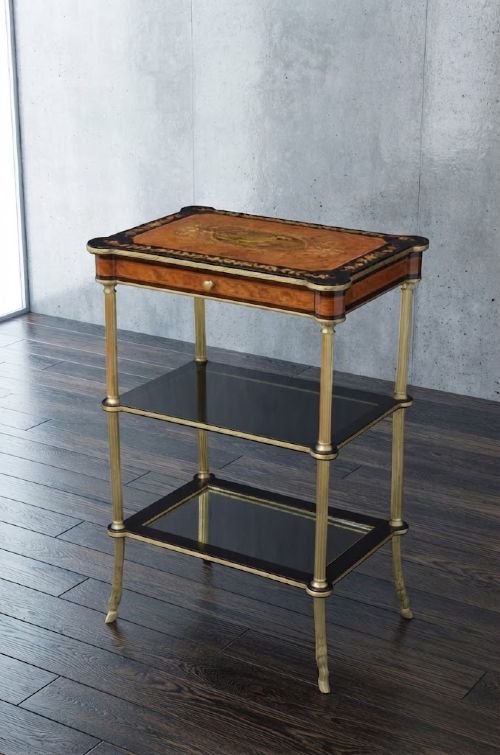
Cabinet makers utilised dense hardwoods such as mahogany, rosewood and walnut for the structural frames, frequently applying ebonising, parcel-gilding or marquetry inlay to enrich the timber surfaces. Marble tops in white and figured varieties provide heavy, durable surfaces on many nineteenth century console designs.
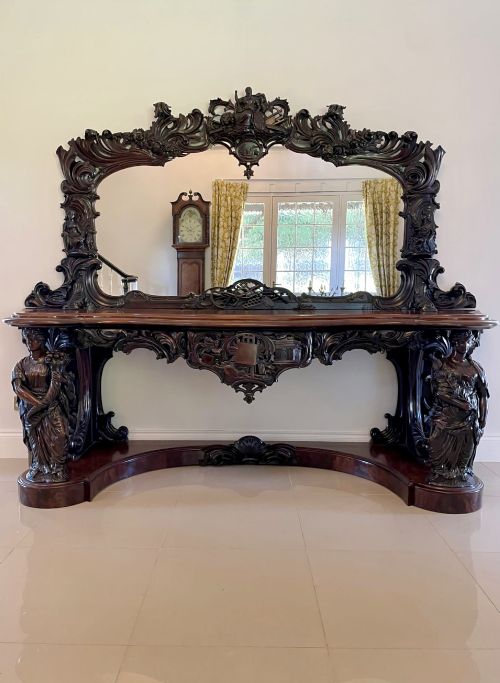
Reflective elements incorporate mirror glass and silvered plates, fitted into tiered shelving or rear panels alongside chrome and brass hardware. Hand carving appears on frames from the Victorian and Venetian styles, while Art Deco pieces demonstrate geometric construction in walnut and mirrored glass.
Mirrored Side Table Retail Price Guide 2026
Typical asking prices for mirrored side table among the pieces listed under this phrase on Sellingantiques today, from the lower quarter to the upper quarter. They describe what is for sale here now, not the wider market.
Materials recorded across current items include mahogany, rosewood, walnut, marble, brass, chrome and mirror glass.
What varies in quality
The distinction between ordinary and exceptional pieces rests on the choice of materials and the crispness of the carving or inlay. Finely figured rosewood veneers, substantial marble slabs and original mirror plates set superior examples apart from standard production.
Proportion and structural integrity define the upper tier of these pieces, particularly in console tables designed to stand against salon walls. The precision of joinery in inlaid surfaces and the depth of gilding indicate the level of workshop execution.
Gillingtons of Dublin·Donald Ross·Pauly et Cie
The Mirrored Side Table Glossary
- Console table
- A table designed to stand against a wall, frequently secured with brackets and paired with a matching mirror.
- Marble top
- A polished stone slab fitted to the upper surface of a cabinet or table for durability and decoration.
- Parcel gilt
- Portions of a wooden or metal surface highlighted with thin layers of gold leaf.
- Marquetry
- Decorative veneer work arranged in geometric or floral patterns across the wooden body.
- Chiffonier
- A low cabinet featuring shelving or a raised back, common in nineteenth century interiors.
Mirrored Side Table: Frequently Asked Questions
Where did people place these tables?
These tables stood primarily in entrance halls, formal reception rooms and drawing rooms against interior walls. Their compact depth allowed them to fit into narrow circulation spaces without blocking pathways.
In many instances, homeowners placed them beneath large wall mirrors to multiply light sources within candlelit or gaslit rooms.
How do I identify a Regency piece?
Regency pieces typically display classical restraint, utilising dark timbers like rosewood alongside brass inlay or parcel-gilt details. Proportions draw inspiration from Greek and Roman design.
Look for architectural elements such as reeded legs, column supports and symmetrical arrangements characteristic of the early nineteenth century.
How do I care for antique mirror glass?
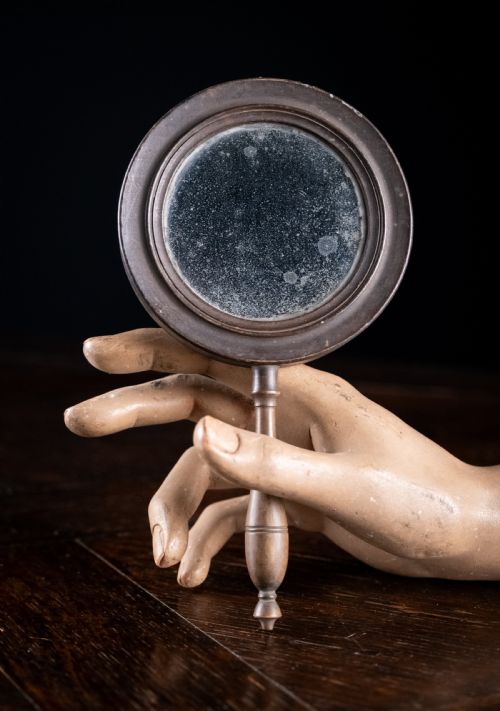
Antique mirror plates require gentle cleaning with dry or slightly damp microfibre cloths to preserve the underlying silvering. Avoid commercial liquid cleaners that seep behind the edges.
Keep these tables away from direct sunlight and damp environments to protect both the wooden frames and the reflective glass coatings.