





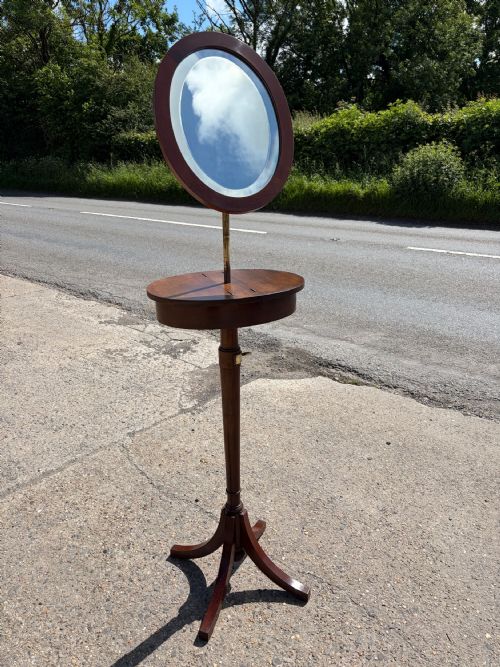
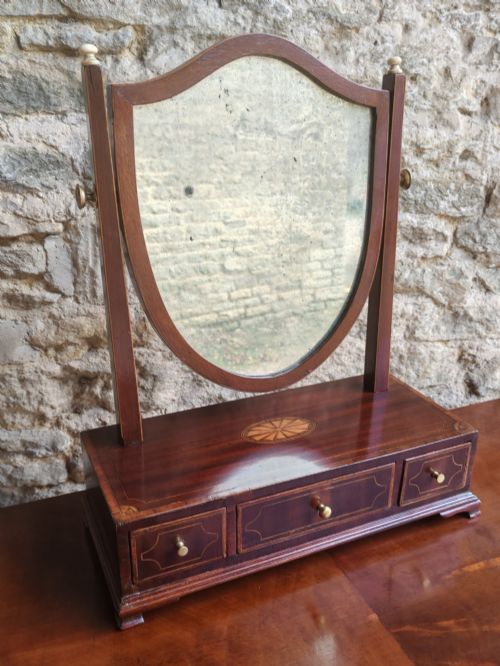


Mirrored Base Table
When a mirrored base table catches the eye, you are looking at a functional piece that doubles the light in a room through its reflective glass surface.
Mirrored Base Table
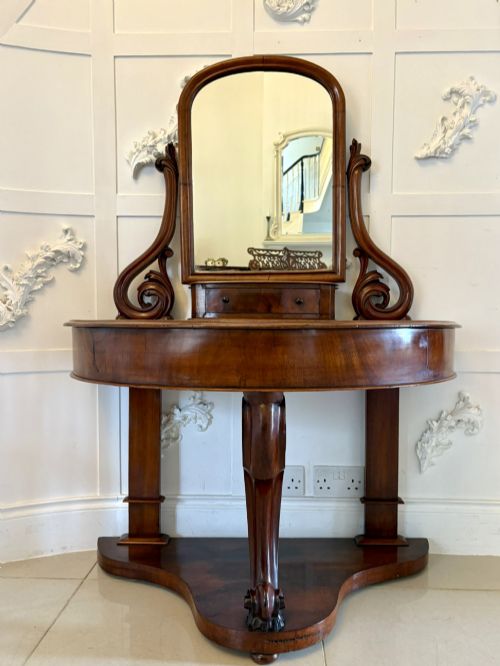
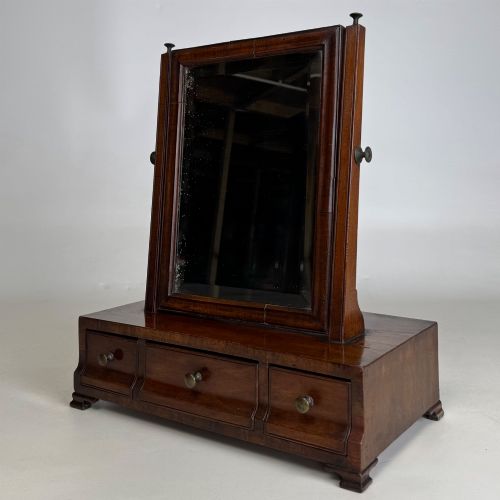
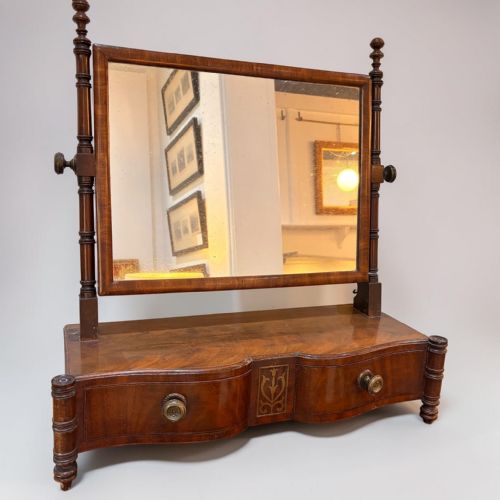
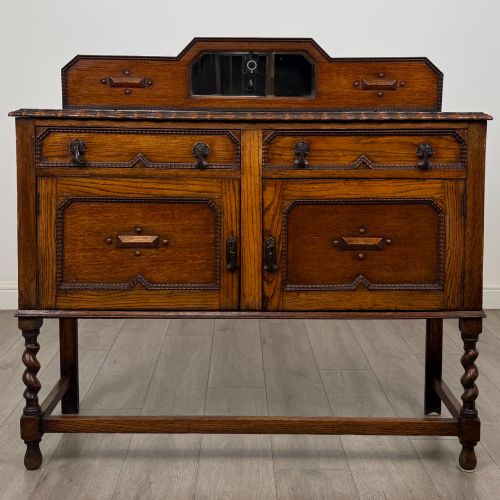
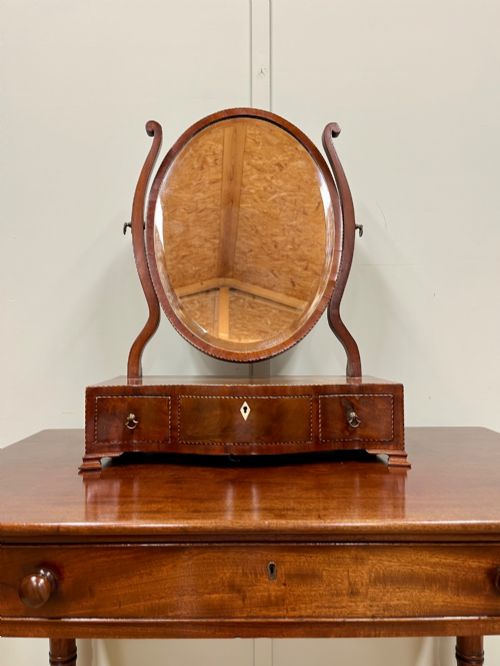
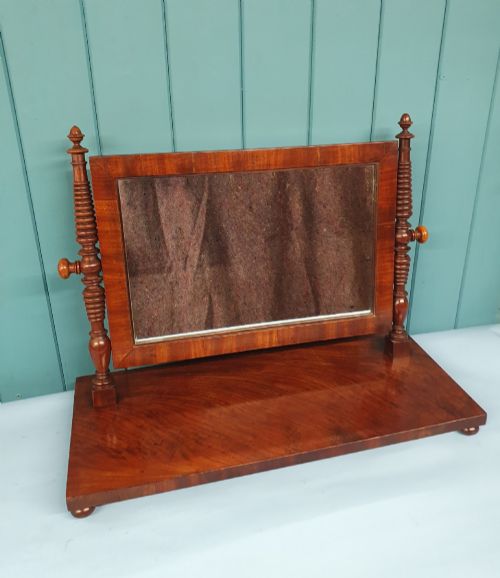
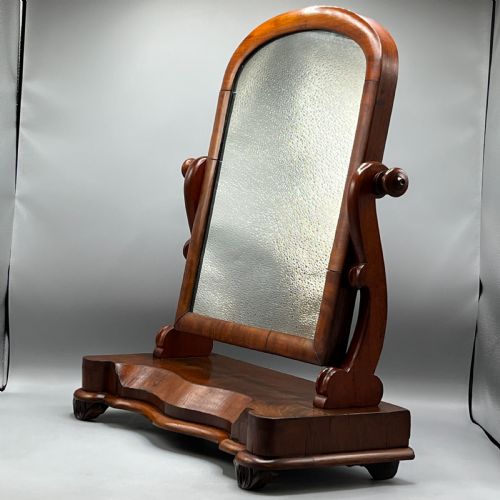
A mirrored base table brings together the utility of a flat surface with the reflective depth of glass panels, often designed to display ornaments or serve as dressing furniture. Buyers seeking a mirrored base table will find that the listings predominantly showcase related forms such as dressing mirrors, toilet mirrors, and sideboards with mirror backs or glass tops from periods spanning the eighteenth century to the early twentieth century.
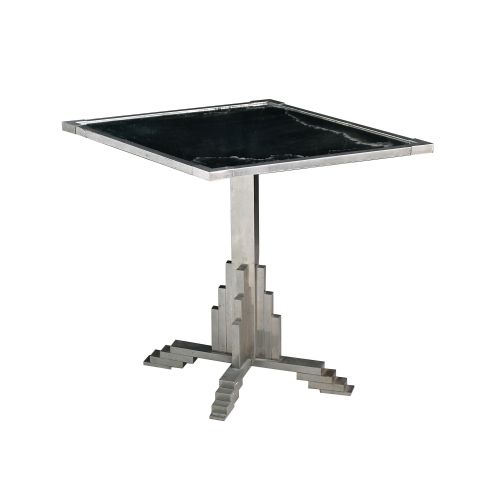
The pieces on this page draw from Georgian, Victorian, Edwardian, and Art Deco eras, demonstrating how craftsmen integrated reflective elements into household furniture over centuries. While the exact phrase points to a mirrored base, the evidence reveals that glass surfaces appear most frequently within table mirrors, swing mirrors, and occasional tables.
Selecting the right piece involves understanding whether you want a traditional mahogany toilet mirror with a glass-fitted base or a later Art Deco occasional table featuring mirrored glass. Each period brings distinct proportions and timber choices, from figured walnut and harewood to golden oak and brass.
How they were made
Makers relied on solid hardwoods like mahogany, walnut, and oak to build the structural frames, often applying figural veneers to enhance the visual grain on table surfaces and mirror stands. Brass fittings, ormolu mounts, and bone details frequently secure the swiveling mirror frames or adorn the edges of the tables.
Mirror glass of the earlier periods was bevelled by hand and set into rebated wooden frames, while later twentieth-century pieces utilised silvered glass panels inset directly into table tops. Joinery methods shifted from traditional dovetailing in eighteenth-century drawer bases to more industrial assembly in later Art Deco items.
Mirrored Base Table Retail Price Guide 2026
Typical asking prices for mirrored base table among the pieces listed under this phrase on Sellingantiques today, from the lower quarter to the upper quarter. They describe what is for sale here now, not the wider market.
Styles represented across the inventory include George III, Queen Anne, Regency, Victorian, Edwardian, and Art Deco.
What varies in quality
Quality rests heavily on the clarity of the mirror plate and the integrity of the timber frame holding it. Superior examples exhibit original mercury or silvered glass with minimal degradation, alongside tight joinery and well-figured mahogany or walnut veneers that have aged evenly.
Lesser pieces often suffer from replaced mirror plates that lack depth, loose pivot mechanisms, or structural repairs to the delicate feet and upright supports. The presence of secondary timbers like oak or pine inside drawer boxes, combined with crisp carving on the bezels and bases, distinguishes higher workshop standards.
The Mirrored Base Table Glossary
- Toilet mirror
- A small table-standing mirror, popular from the eighteenth century onwards, designed for grooming and placed atop a chest or dressing table.
- Swing mirror
- A mirror plate hung on vertical pivots within a frame, allowing the glass to tilt at various angles.
- Harewood
- Sycamore wood that has been stained grey, frequently utilised by eighteenth-century cabinet makers for fine stringing and decorative veneers.
- Serpentine
- A curved line of furniture fronts, shaped like a snake with a convex centre flanked by concave sides.
- Ormolu
- Gilded bronze or brass mounts applied to furniture and decorative objects during the eighteenth and nineteenth centuries.
Mirrored Base Table: Frequently Asked Questions
What is a toilet mirror?
A toilet mirror is a portable dressing glass mounted on a small wooden frame or box base with drawers. They were designed to sit on top of a larger chest of drawers or a dedicated dressing table.
During the Georgian and Victorian periods, these pieces were essential bedroom items used for daily grooming and styling before full-length wardrobes became common.
How do I date a mahogany mirror?
Dating a mahogany mirror involves examining the construction of the frame, the thickness of the backboards, and the manufacturing method of the glass plate. Earlier eighteenth-century examples often feature hand-bevelled glass held by pinned slips and secondary pine or oak backboards.
Later Victorian and Edwardian reproductions or continuations typically use machine-cut glass, heavier brass pivot screws, and different timber preparation techniques that reflect industrial advancements.
Where should I place a table mirror?
Table mirrors work best on sturdy chests of drawers, sideboards, or dedicated console tables where their weight and height can be properly supported. Placing them opposite a window helps bounce natural light deeper into the room.
Ensure the surface is level so the swing mechanism remains balanced and the frame does not twist under its own weight over time.
What is the difference between a swing mirror and a dressing mirror?
The terms are often used interchangeably, but a swing mirror specifically refers to the pivoting glass assembly mounted on upright arms. A dressing mirror often implies the entire setup, including the box base or table structure it rests upon.
Both forms served the same primary function in historic bedchambers and dressing rooms.