



Minton Porcelain China
These minton porcelain china pieces bring together fine ceramic bodies and delicate hand-painted decoration across the nineteenth century.
Minton Porcelain China
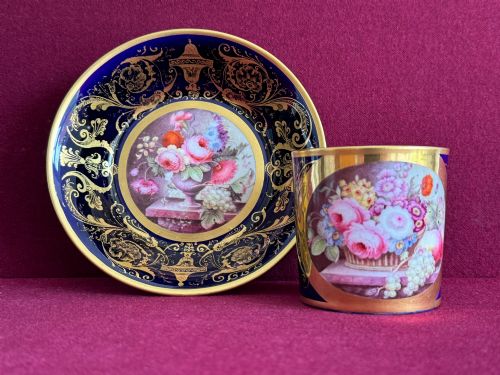
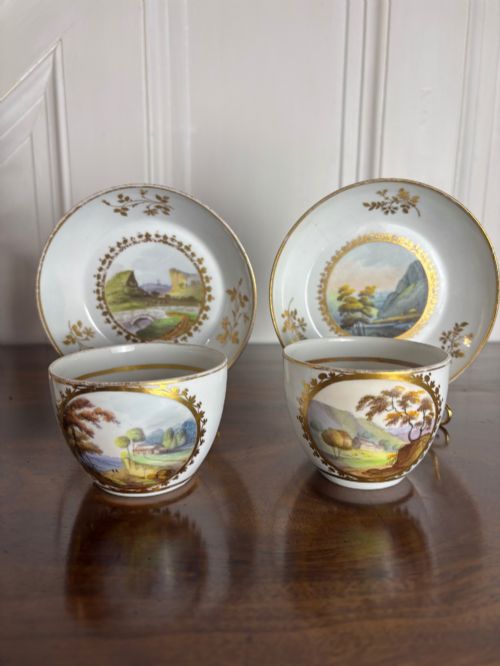
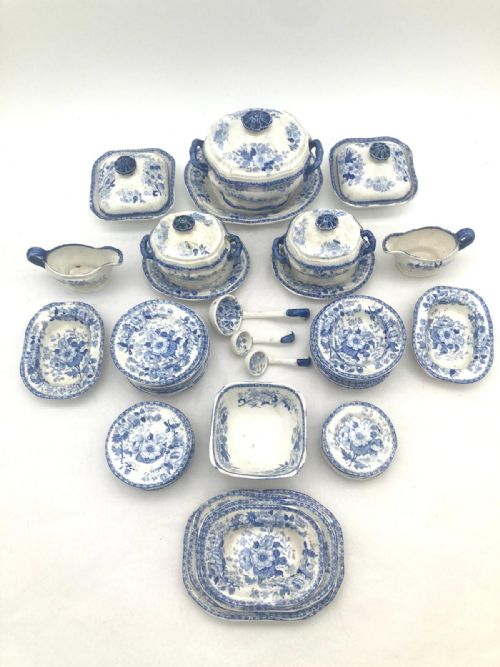
Minton porcelain china spans functional tablewares and decorative cabinet pieces from the nineteenth century, including the Georgian, Regency, and Victorian periods. Buyers encounter items ranging from cabinet plates and dessert services to miniature dinnerware, teacups, saucers, and candlesticks.
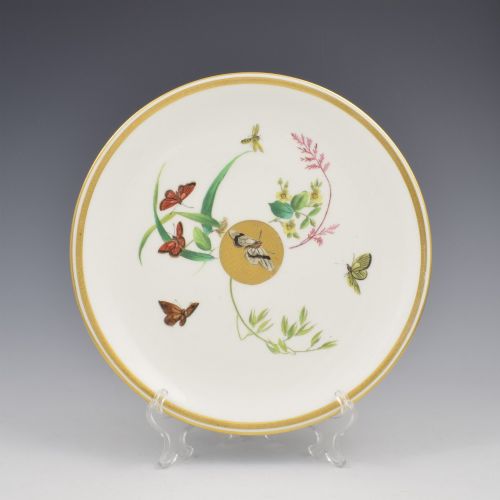
Transfer-printed blue and white patterns sit alongside hand-painted botanical, landscape, and armorial designs. These works reflect changing aesthetic tastes from early century floral patterns to later Japanese-inspired motifs.
Materials and manufacture
Makers utilised porcelain, bone china, earthenware, and ceramic as foundational bodies for these wares. Potters shaped these materials into functional forms such as plates, baskets, and hollowware.
Decoration relied on applied enamel colours, gold leaf, and rich gilding alongside transfer printing in blue and white. Glaze finishes sealed the surfaces, while specialist techniques like pate-sur-pate added raised translucent relief detail.
Minton Porcelain China Retail Price Guide 2026
Typical asking prices for minton porcelain china among the pieces listed under this phrase on Sellingantiques today, from the lower quarter to the upper quarter. They describe what is for sale here now, not the wider market.
The listings feature nineteenth-century items spanning the Georgian, Regency, and Victorian periods in porcelain, bone china, and earthenware.
Judging the work
Quality rests upon the crispness of the porcelain body and the precision of the moulding, particularly on basketweave or figural elements. Finer pieces demonstrate superior control during shaping and firing.
The standard of decoration dictates the distinction between standard wares and exceptional cabinet pieces. Hand-painted botanical studies, armorial crests, or intricate enamel work elevate the status of a piece above simple transfer-printed items.
Thomas Steel
The Minton Porcelain China Glossary
- Bone china
- A type of soft-paste porcelain incorporating bone ash for strength and translucency. This material formed the base for many refined nineteenth-century tea and dessert services.
- Pate-sur-pate
- A ceramic decoration technique where successive layers of slip are applied to a dark body to build up a cameo-like relief design. Minton utilised this method for high-status cabinet plates.
- Coffee can
- A small, straight-sided cylindrical cup designed for drinking strong coffee. These pieces often match saucer sets from the Regency and Georgian periods.
- Kakiemon
- A style of Japanese enamelled porcelain characterised by asymmetric floral and animal motifs. Nineteenth-century factories frequently revived these patterns on tea sets.
- Cabinet plate
- A decorative plate intended for display in a cabinet rather than for table use. These examples usually feature elaborate hand-painted scenes or armorial details.
Minton Porcelain China: Frequently Asked Questions
What periods do these pieces cover?
The inventory encompasses items produced throughout the nineteenth century, including Georgian, Regency, and Victorian eras.
Specific production dates span from the early years of the eighteen-hundreds up towards the end of the Victorian period.
How do I identify different styles?
Styles range from early floral transfer prints and Regency designs to later Aesthetic Movement and Chinoiserie motifs.
Examining the decorative subject matter and surface pattern helps distinguish between revival styles and traditional patterns.
What types of items are available?
The selection includes plates and dishes, dessert services, coffee cans, teacups, and serving trays.
Buyers also find specialised items such as child's services, go-to-bed candlesticks, and figural ornaments.
What materials were used?
Makers employed porcelain, bone china, earthenware, and ceramic bodies.
Surfaces are finished with glazes, enamel colours, gold leaf, and gilt details.