




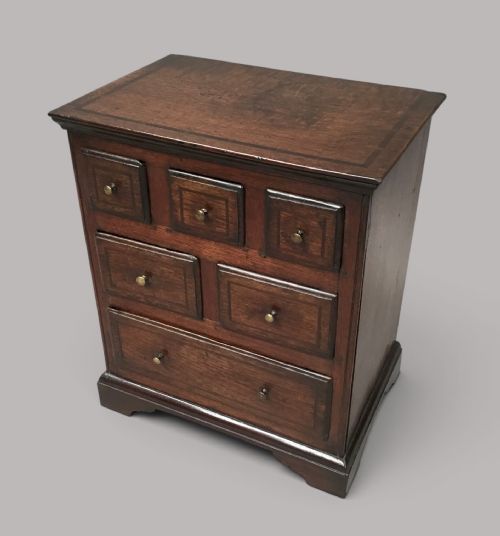

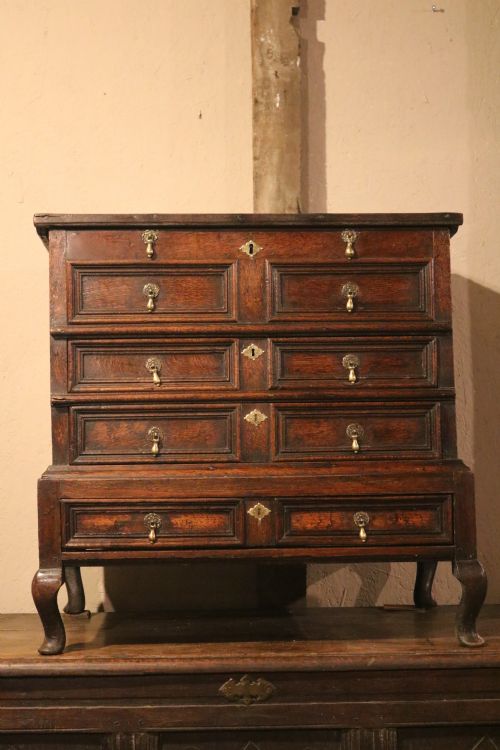


Miniature Spice Chest
These miniature spice chests are compact table cabinets and wall boxes designed to hold precious seasonings, offering clever small-scale storage for the modern home.
Miniature Spice Chest
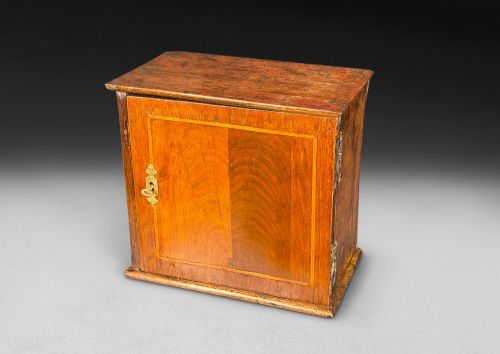
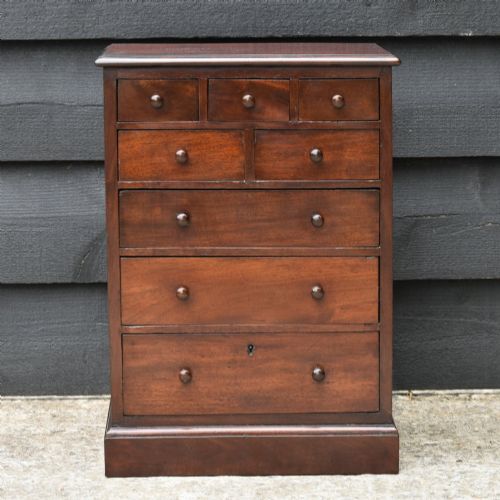
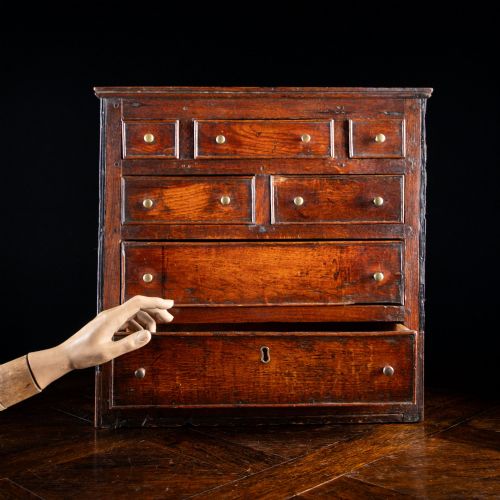
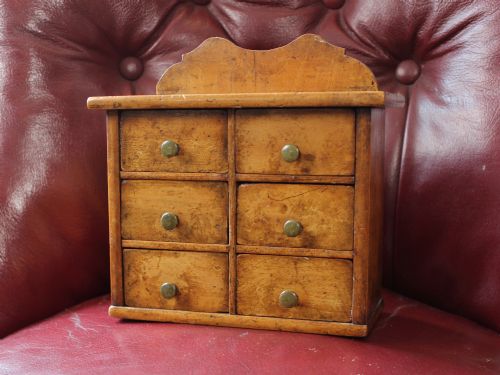
A miniature spice chest is a small tabletop or wall-hanging cabinet designed for storing valuable kitchen ingredients and small household items. When you search for miniature spice chest, you encounter diverse forms ranging from simple drawer sets to panelled cupboards.
The examples gathered here span from the eighteenth century through the nineteenth century, including Georgian and Victorian pieces. Oak, pine, fruitwood, and mahogany predominate, often constructed as diminutive chests of drawers or small side cabinets.
Many items originate from regional traditions, particularly Welsh workshops, showing vernacular character in their construction. They serve today as desktop organisers or decorative focal points in period interiors.
How they were made
Cabinet makers utilised solid timbers such as oak, pine, and mahogany, often pairing denser hardwoods for fronts with softer secondary woods for interiors. Panels were typically frame-and-panel construction to accommodate seasonal wood movement in domestic settings.
Surfaces display various treatments, from polished fruitwood and burr walnut veneers to painted or decorated finishes. Drawer construction relies on hand-cut dovetails, while brass handles, hinges, and small locks provide functional hardware.
Miniature Spice Chest Retail Price Guide 2026
Typical asking prices for miniature spice chest among the pieces listed under this phrase on Sellingantiques today, from the lower quarter to the upper quarter. They describe what is for sale here now, not the wider market.
Object types span miniature furniture, spice cabinets, wall-hanging boxes, and small tabletop drawers.
What varies in quality
The standard of timber selection and cabinet work dictates the grade of each piece, distinguishing utilitarian pine boxes from refined walnut or mahogany cabinets. Proportion and the crispness of mouldings reveal the maker's skill in scaling down full-size furniture forms.
Original brass furniture, intact locks with working keys, and undisturbed timber surfaces elevate the standing of a piece. Vernacular examples gain distinction through regional decorative traits, such as traditional inlay work or carved detail.
The Miniature Spice Chest Glossary
- Table cabinet
- A small freestanding piece of furniture designed to sit on a desk or table rather than the floor. These boxes provide enclosed storage compartments or multiple small drawers.
- Court cupboard
- A low traditional side cupboard with enclosed tiers, rendered here in miniature scale. Such forms reflect domestic storage furniture of the early period.
- Tallboy chest
- A piece comprising one tall chest stacked upon another, built here as a miniature version. This tall format maximises storage space within a minimal footprint.
- Dovetail
- A joint formed by interlocking wedge-shaped fingers, standard in drawer construction. Hand-cut variations help indicate the period of manufacture.
- Burr walnut
- Timber sliced from the growth excrescence of a walnut tree, prized for swirling grain patterns. It serves as a decorative veneer on finer cabinets.
Miniature Spice Chest: Frequently Asked Questions
What were miniature spice chests used for?
These small cabinets stored expensive culinary spices, herbs, and aromatics securely in the home.
They also held precious small items, letters, or domestic documents away from household moisture.
Where should I place a spice cabinet?
They suit kitchen countertops, side tables, or office desks where small storage is useful.
Wall-hanging variants mount securely in hallways or dining rooms as display cabinets.
How do I identify a Georgian piece?
Georgian examples show characteristic timber usage like oak or mahogany with hand-cut dovetails.
They often feature architectural mouldings and period brass hardware matching larger furniture.
Are these chests made of solid wood?
Most pieces utilise solid timbers including oak, pine, fruitwood, and mahogany throughout their structure.
Finer examples occasionally apply decorative burl veneers over secondary wood foundations.