






Miniature Pin Cushion
These miniature pin cushion pieces are silver and velvet novelties that bring immense charm to any cabinet.
Miniature Pin Cushion
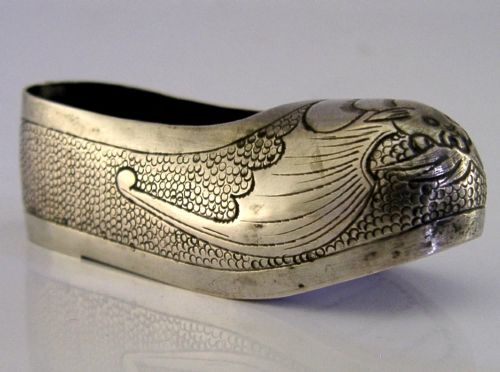
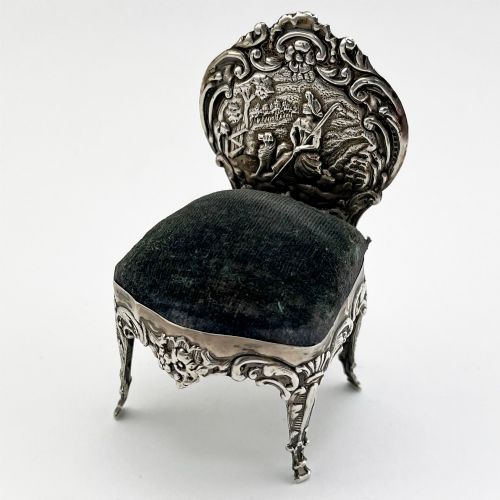
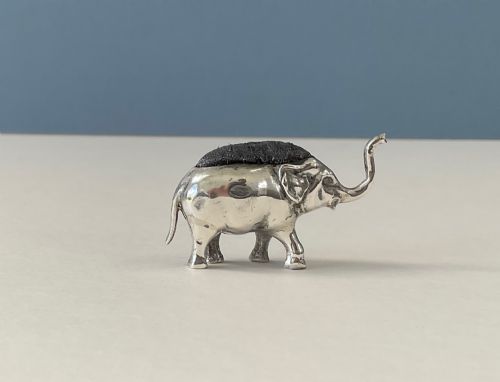
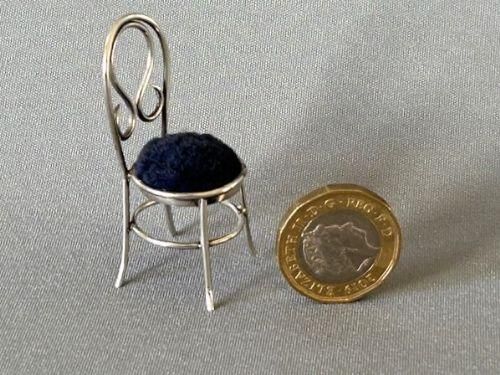
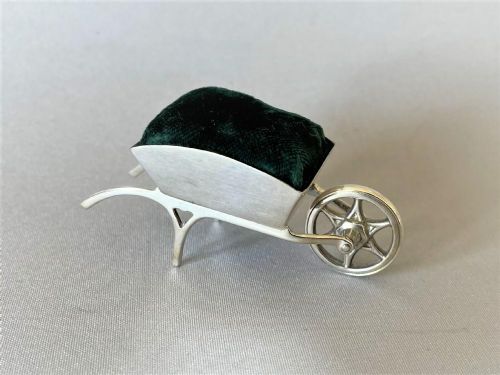
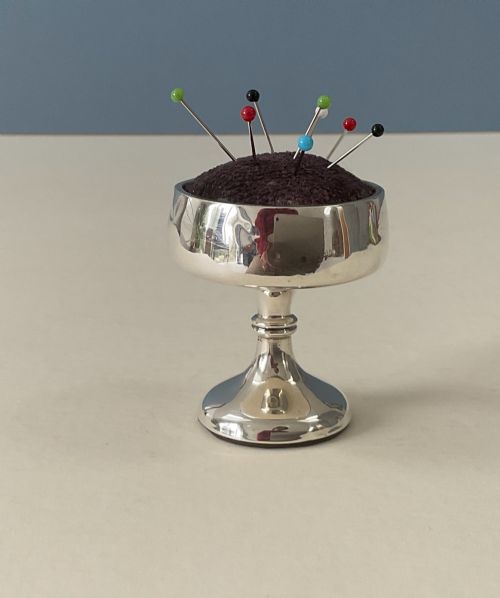
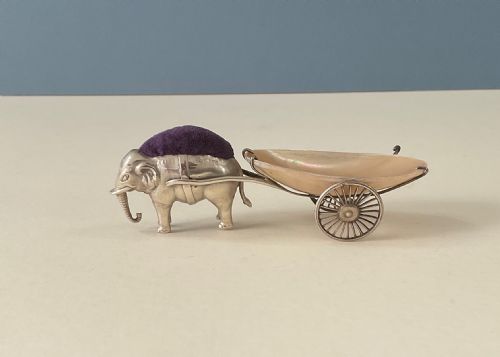
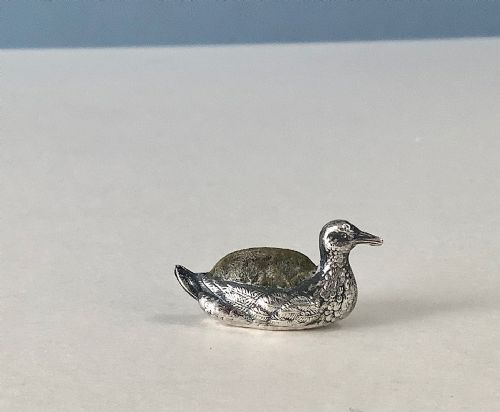
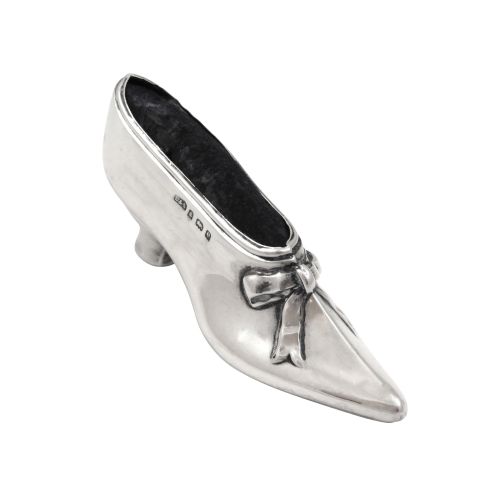
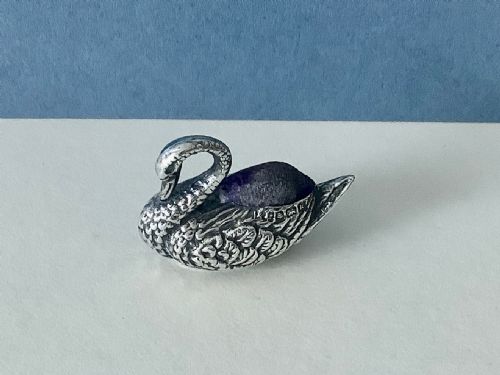
A miniature pin cushion is a small decorative sewing accessory, and on this page you will most frequently meet Edwardian and Victorian examples. These charming pieces take delightful miniature forms ranging from animals and birds to furniture and household items. Makers shaped them in silver, sterling silver, and shell, fitted with fabric or velvet pads.
The historical range stretches from Georgian and Regency eras through the Victorian and Edwardian periods, with occasional mid-century items appearing. Novelty designs dominate the selection, depicting creatures like swans, ducks, chicks, bears, elephants, goats, and donkeys alongside whimsical objects such as wheelbarrows, canoes, grand gondolas, coal buckets, and salon chairs.
How they were made
Silversmiths constructed the miniature bodies using solid sterling silver or standard silver, often shaping them through casting or detailed sheet metal work. These metallic frames hold fitted inserts of textile materials, predominantly soft velvet or traditional fabric cushions designed to secure sewing pins.
Makers such as Sampson Mordan & Co. and Levi & Salaman applied fine chasing and engraving to render feathers, fur, and structural details with remarkable precision. Shell and bead work also appear in the historical archive as alternative decorative elements for the cushion tops and bodies.
Miniature Pin Cushion Retail Price Guide 2026
Typical asking prices for miniature pin cushion among the pieces listed under this phrase on Sellingantiques today, from the lower quarter to the upper quarter. They describe what is for sale here now, not the wider market.
What varies in quality
Quality in a miniature pin cushion rests upon the crispness of the silversmith's modeling and the distinctness of the chased details on the animal or object. Pieces by documented makers like Sampson Mordan & Co. or Levi & Salaman often display superior punchwork and anatomical clarity.
The proportion between the silver frame and the integrated velvet or fabric pad also dictates the overall success of the piece. Superior examples maintain intact original textile inserts and retain clear hallmarks on the silver body.
Sampson Mordan & Co.·Levi & Salaman
The Miniature Pin Cushion Glossary
- Novelty
- An object made in an amusing or unusual shape rather than a standard functional form. These silver items often took the guise of animals, vehicles, and household furniture.
- Sterling silver
- A silver alloy containing 92.5 percent pure silver by mass, standard for English silver pieces. Many of these miniature items carry hallmarks indicating this standard.
- Chasing
- A metalsmithing technique where the artisan pushes metal from the front using hammers and punches to create surface relief. This method defined feathers on the silver birds and fur on the bears.
- Hallmark
- An official stamp applied to precious metals indicating the standard of purity, the maker, and the year of assay. These marks help date the Edwardian and Victorian pieces.
- Assay
- The testing of precious metal purity conducted by an official office before stamping. English pieces frequently display these regional assay office marks.
Miniature Pin Cushion: Frequently Asked Questions
What were miniature pin cushions used for?
These small items served as functional sewing tools on dressing tables and writing desks to hold pins close at hand. Ladies also used them in dolls houses or carried them in workbaskets.
Their decorative novelty forms meant they doubled as charming desk ornaments and conversation pieces for Victorian and Edwardian collectors.
How do I date a silver pin cushion?
Dating relies heavily on the silver hallmarks stamped onto the metal body, which indicate the specific year of assay and the maker's mark. Stylistic clues such as Edwardian naturalism or Victorian ornamentation also help place the piece in its era.
Comparing the form and manufacturing techniques with documented examples from makers like Sampson Mordan & Co. narrows the period further.
Are the velvet cushions original?
Many pieces retain their original fabric or velvet pads, showing appropriate signs of age and wear from historical use. Some examples feature bead work tops or specialised textiles inserted by the silversmith.
Evaluating the integration of the pad into the silver frame helps determine if the textile element matches the period of the silver mount.
How should I display them at home?
Because of their small scale, these pieces look best grouped inside a glass-fronted cabinet or displayed on a dedicated collector's shelf. Proper lighting helps highlight the detailed chasing on the silver animals and miniature objects.
Keep them away from direct sunlight and damp environments to protect the delicate velvet and fabric inserts.