





Miniature Painting Box
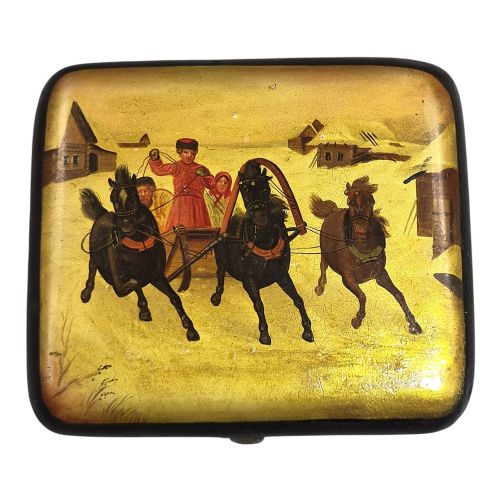
These small, finely detailed miniature painting box examples offer exquisite artistry on a scale that fits in the palm of your hand.
Miniature Painting Box
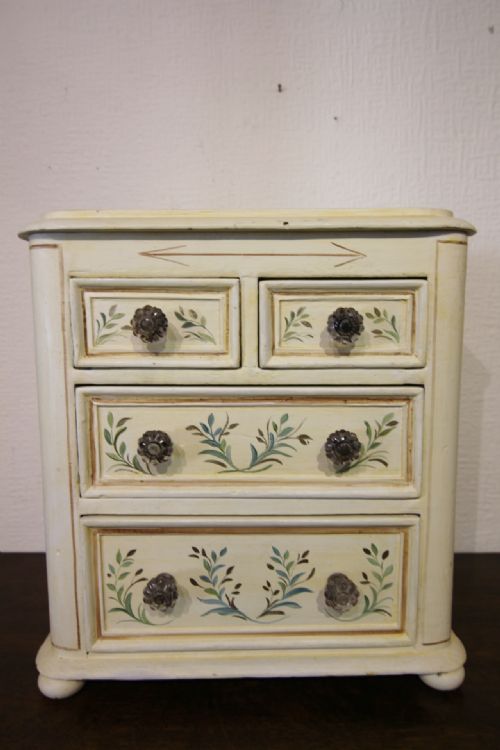
When you search for a miniature painting box, you encounter a diverse group of small, decorated containers designed to hold personal treasures, snuff, or letters. The examples on this page span several centuries and styles, ranging from Georgian pocket containers to Victorian tabletop pieces.
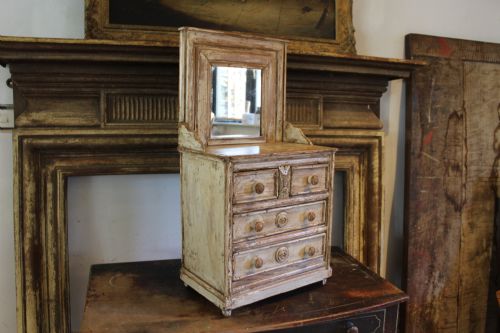
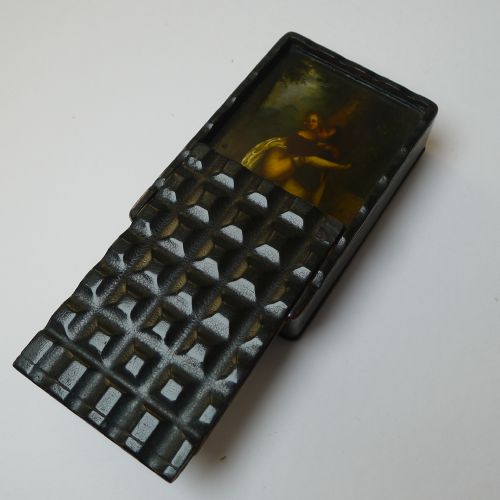
The objects take many forms beyond standard boxes, including small chests of drawers, trinket boxes, snuff boxes, and writing accessories. These pieces often feature hand-painted lids or panels depicting portraits, landscapes, or genre scenes.
Origins vary widely across Europe and beyond, with English, French, Austrian, Russian, and Indo-Persian examples appearing in the selection. Papier-mâché, wood, and enamel serve as the primary foundational mediums for these portable works of art.
Materials and construction methods
Papier-mâché and wood form the structural base of many pieces, often layered with gesso, lacquer, and detailed hand paint. Lacquer finishes provide a glossy, protective sheen that preserves the delicate pigments underneath.
Enamelwork relies on fusing powdered glass to metal bases, particularly in Austrian and South Staffordshire pieces, creating vibrant and durable coloured surfaces. Ormolu, brass, and gilt metal mounts frequently frame these painted panels to add structural definition.
Miniature Painting Box Retail Price Guide 2026
Typical asking prices for miniature painting box among the pieces listed under this phrase on Sellingantiques today, from the lower quarter to the upper quarter. They describe what is for sale here now, not the wider market.
Listings feature items from the eighteenth, nineteenth, and early twentieth centuries, constructed from lacquer, papier-mâché, wood, and enamel.
Assessing quality and craftsmanship
The standard of hand painting dictates much of the appeal, with finer pieces showing precise brushwork, subtle shading, and clear facial expressions or architectural details. Crude execution or worn painted surfaces lower the visual impact of the object.
Material selection and mounting integrity also separate standard pieces from exceptional ones. Well-fitted hinges, secure clasps, and intact lacquer or enamel without heavy chipping represent superior historic craftsmanship.
Vishnyakov Workshop·Stobwasser
The Miniature Painting Box Glossary
- Papier-mâché
- A composite material consisting of paper pieces or pulp, sometimes reinforced with textiles, bound with glue, starch paste, or resin. It provides a lightweight yet sturdy base for detailed lacquer and paint.
- Ormolu
- Gilded bronze applied to furniture mounts, clock cases, and decorative boxes. This technique gives metal fittings a rich, golden appearance.
- Snuff box
- A small, hinged container designed to hold powdered tobacco. These items frequently feature elaborate painted or enamelled lids.
- Penwork
- A decorative technique using fine ink lines to create intricate patterns or pictures on wood surfaces. It mimics the appearance of engraving.
- Apprentice chest
- A small-scale model of furniture created by woodworkers to demonstrate skill or as a travelling salesman sample. They often feature multiple miniature drawers.
Miniature Painting Box: Frequently Asked Questions
What were miniature painting boxes used for?
These small containers served primarily as personal accessories for holding snuff, cosmetics, or trinkets. Wealthy owners carried them daily or displayed them on tabletops as conversation pieces.
Larger variations functioned as desktop cabinets for pens, spices, or letters. Their detailed painted lids made them fashionable items for display in private chambers.
How do I care for a painted papier-mâché box?
Keep these items away from direct sunlight and excessive moisture to protect the delicate paint and lacquer finish. Dust them gently with a dry, soft cloth.
Avoid using liquid cleaners or chemical polishes, which can strip the historic varnish. Handle lids by their edges rather than pressing directly on painted surfaces.
How can I tell the age of a box?
Examine the materials, hinge construction, and painting style to determine the approximate period. Georgian and Victorian pieces often show specific hardware types and pigment characteristics.
Comparing the lacquer finish and wear patterns against known dated examples helps narrow down the decade of production. Maker marks or signatures can also provide clues to origin.
Are all painted boxes European?
While many examples originate from England, France, Austria, and Russia, the selection also includes Indo-Persian pieces. Each region developed distinct painting techniques and material combinations.
Indo-Persian pen cases utilise specific lacquer and papier-mâché methods differing from European snuff boxes. Regional styles reflect local decorative traditions of their respective periods.