



Miniature Oak Furniture
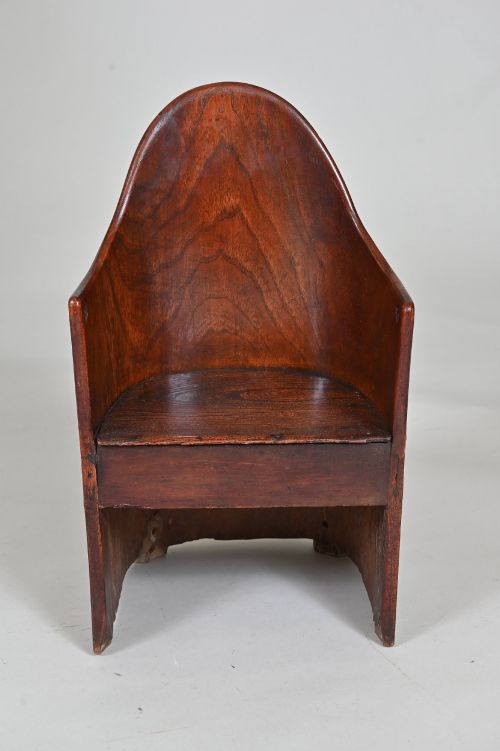
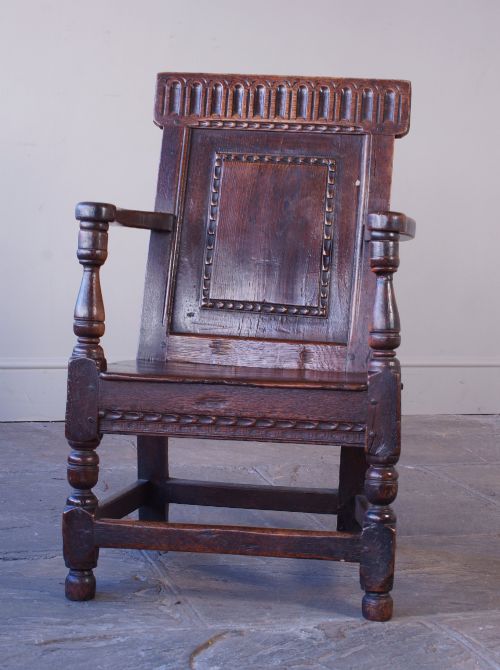
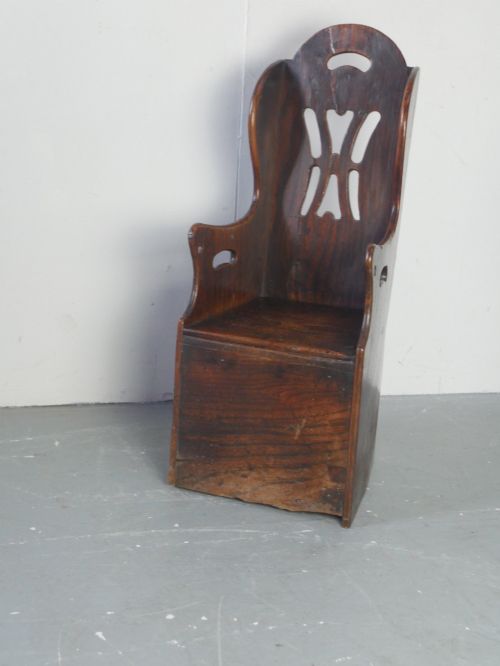
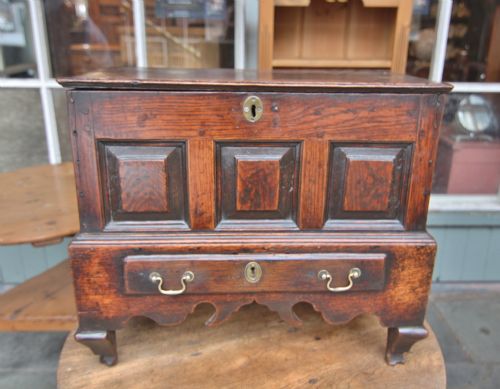
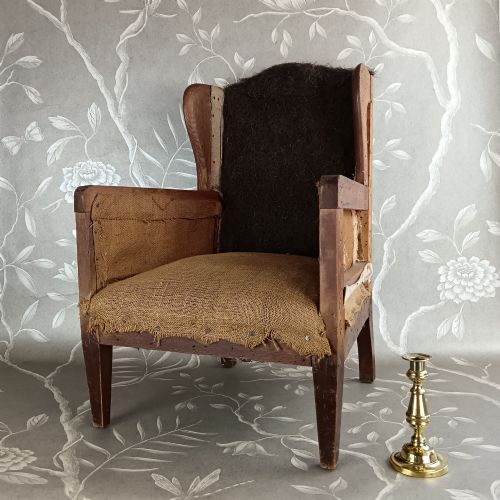
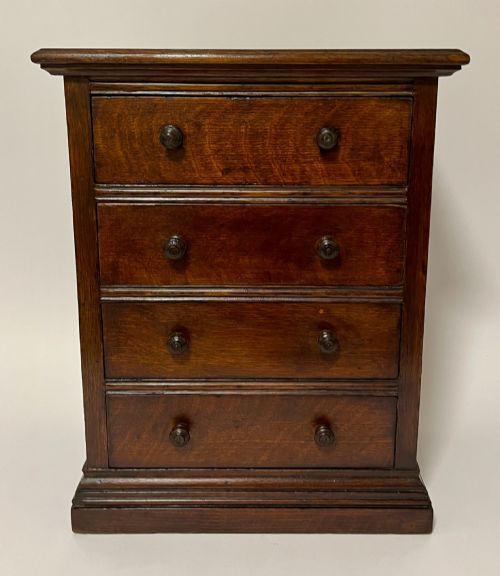
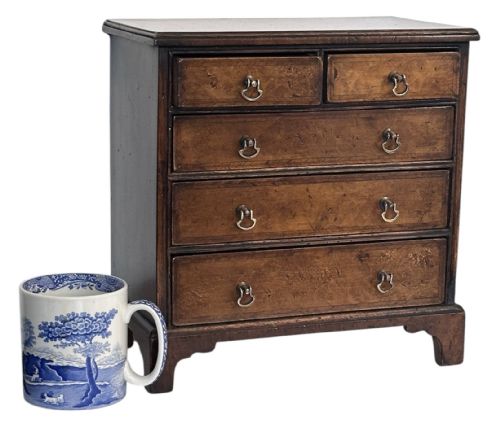
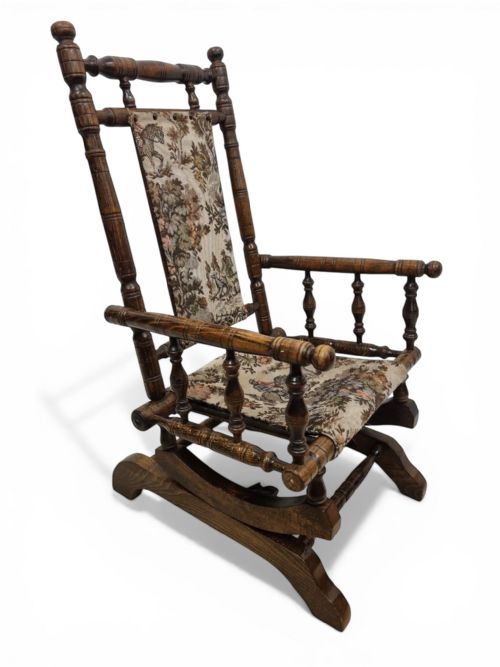
Miniature oak furniture brings domestic scale down to size, offering country chests and diminutive chairs crafted for children or journeymen.
Miniature Oak Furniture
Miniature oak furniture encompasses small-scale chests, coffers, cupboards and seating produced across the eighteenth and nineteenth centuries. Buyers encounter vernacular pieces such as the Welsh coffer bach alongside diminutive Georgian desks and apprentice pieces.
The material focus stays firmly on oak, often accompanied by elm, ash and brass fittings. Forms range from simple country stools to elaborate miniature tallboys and court cupboards.
Originating from English and Welsh workshops, these items serve as salesman samples, master craftsmanship demonstrations or child-sized household goods. They occupy minimal space while delivering the genuine construction methods of full-sized antiques.
Materials and construction
Solid timber forms the foundation of these pieces, utilising native oak planks paired with secondary woods like beech and elm for framing. Cabinetmakers apply traditional joinery techniques, including dovetails for drawer construction and mortise and tenon joints for frames.
Surface treatments rely on natural wax finishes that highlight the grain of the hardwood over decades of handling. Iron and brass hinges, locks and drop handles secure the miniature doors and lids, completing the authentic structural detail.
Miniature Oak Furniture Retail Price Guide 2026
Typical asking prices for miniature oak furniture among the pieces listed under this phrase on Sellingantiques today, from the lower quarter to the upper quarter. They describe what is for sale here now, not the wider market.
Teddy bears frequently inherit these miniature chairs, accidentally serving as permanent occupants for centuries-old apprentice seating.
Distinguishing quality
Proportion and scale dictate the success of a miniature, separating deliberate cabinetwork from clumsy downscaling. The finest examples maintain the precise architectural ratios of their full-sized counterparts rather than appearing squat or awkward.
Material selection and patination reveal the integrity of the piece, with deep, warm tones acquired through age setting top-tier items apart. Crispness in hand-carved details and original hardware further distinguish superior examples from plain utility work.
The Miniature Oak Furniture Glossary
- Coffer bach
- A small Welsh box or chest on feet, traditionally used for holding valuables or given as a marriage gift. These miniature coffers often feature drawer bases and panelled lids.
- Apprentice piece
- An item created by a tradesman to demonstrate skill to a guild or master. These objects concentrate full-scale techniques into a portable format.
- Vernacular
- Regional building or cabinetmaking style using local materials and traditional designs. This approach avoids metropolitan fashions in favour of sturdy domestic utility.
- Kneehole desk
- A compact desk featuring a central recess for the legs flanked by banks of small drawers. Miniature versions replicate this complex joinery on a tabletop scale.
- Windsor chair
- A wooden seating form constructed with turned legs and spindles socketed into a solid shaped seat. Miniature variants scale down the steam-bent backs for children or display.
Miniature Oak Furniture: Frequently Asked Questions
What is a coffer bach?
A coffer bach translates from Welsh as a small chest, built with the same panelled construction as larger storage furniture. These pieces frequently sit on turned feet and include one or more drawers beneath the main compartment.
Craftsmen produced them in Welsh regions during the eighteenth century for domestic storage or as presentation pieces. Their diminutive size makes them distinct from standard blanket chests.
Were these made for children?
Some items, such as low chairs and small rocking seats, served actual domestic use for children in historical households. Other pieces were built simply to display cabinetmaking skill or to test new furniture designs.
Distinguishing between child-scale utility items and display pieces depends on the complexity of the joinery and the presence of fine decorative carvings.
How do I date miniature furniture?
Dating relies on examining the construction methods, such as hand-cut dovetails, tool marks on secondary timbers, and the style of the hardware. Comparing the proportions and regional design traits to full-sized counterparts provides a reliable timeline.
Oak pieces span from the early eighteenth century through the Victorian era, with distinct stylistic shifts from Georgian symmetry to rustic vernacular forms.
Where should I display them?
Miniature oak pieces suit placement on tabletops, sideboards, or within dedicated shelving units where their details remain visible at eye level. Their compact footprint allows them to fit into spaces that cannot accommodate full-sized antiques.
Keeping them away from direct heat sources protects the dry hardwood and prevents the historic joints from shrinking or splitting.