


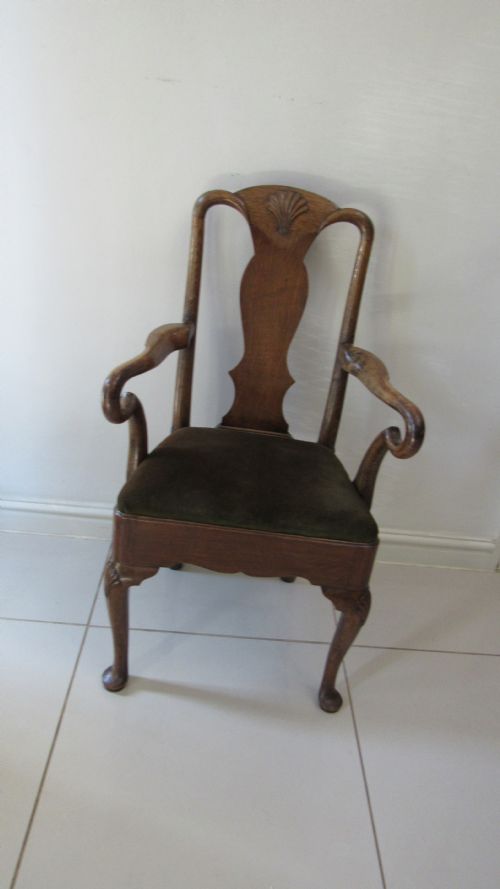


Miniature Mahogany Armchair
A miniature mahogany armchair brings exquisite scale and presence to a room, offering the perfect blend of historic seating design and diminutive proportions.
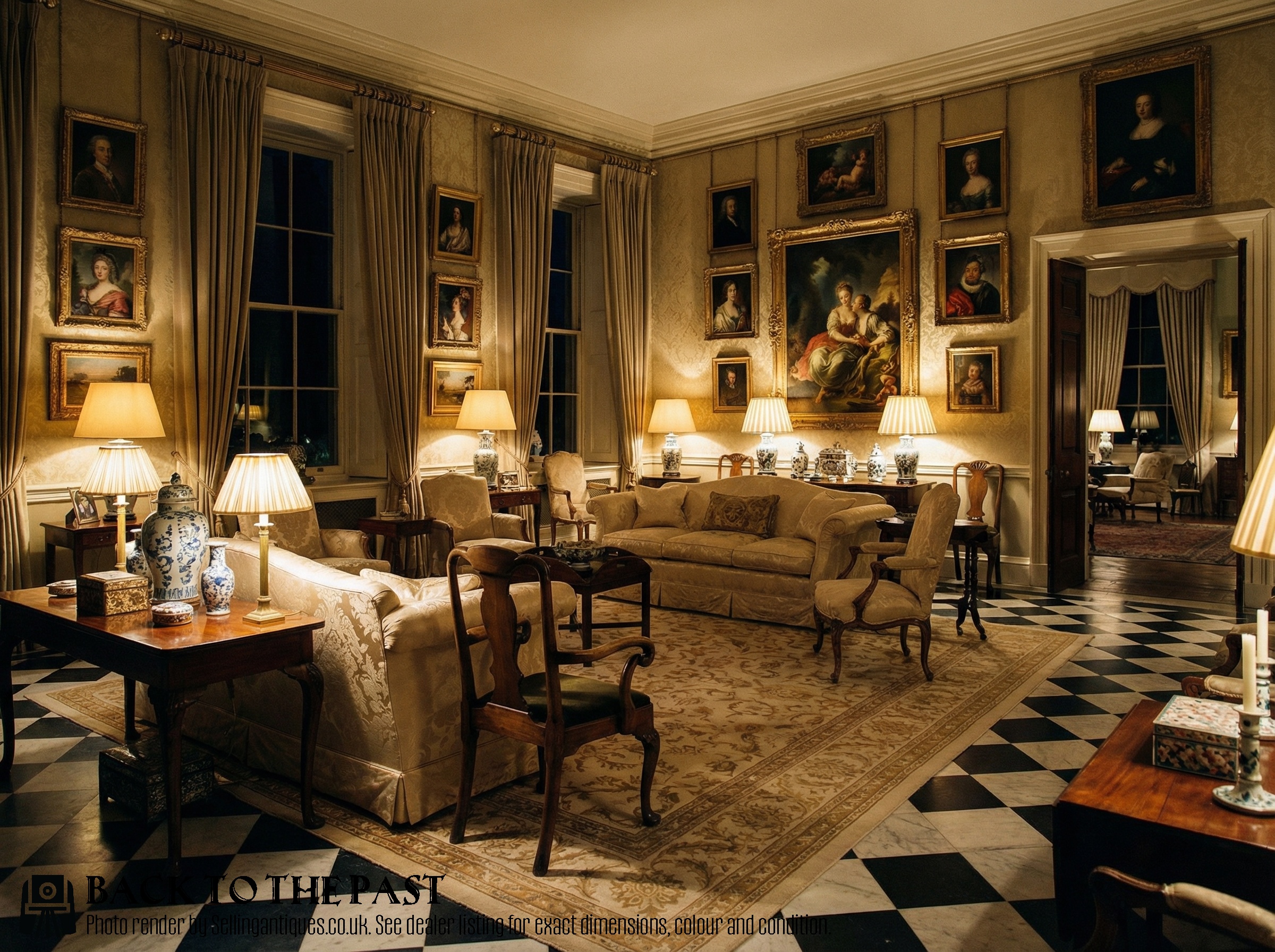
Miniature Mahogany Armchair
The versions most frequently encountered on this page span Georgian, Regency, and Edwardian periods, alongside later revival styles such as George II and Queen Anne. Examples include childs armchairs, caned bergere chairs, and open arm carvers fashioned in rich mahogany timber.
Makers adapted prevailing aesthetic movements for these smaller commissions, resulting in pieces that incorporate Art Nouveau motifs, boxwood inlay, and marquetry alongside traditional Regency lines. Such variety ensures that each miniature mahogany armchair reflects the distinct cabinet-making standards of its specific decade.
Construction and materials
Cabinet-makers relied on solid mahogany as the primary structural timber, prized for its durability and deep grain, which supported intricate carving and shaping at a reduced scale. Workshops frequently accented these frames with contrasting boxwood inlay or delicate marquetry to define the panels and crest rails.
Seating surfaces required specialised techniques, utilising woven rattan cane for bergere panels or incorporating fabric, textile, leather, and damask upholstery. Artisans secured these materials with traditional joinery methods, ensuring the miniature frames maintained the structural integrity expected of full-sized seating.
The listings here demonstrate periods spanning from the Georgian era and Regency through the nineteenth century, Edwardian period, and up to nineteen-twenty.
Factors of quality and execution
Superior examples display a rigorous adherence to the proportions and joinery techniques of their full-sized counterparts, rather than functioning merely as crude novelties. The crispness of the mahogany carving and the precision of the boxwood inlay distinguish workshop pieces of high ambition from simpler utilitarian items.
The choice of secondary materials, such as the fineness of the rattan cane or the quality of the original damask and leather upholstery, elevates the overall execution. Depth of colour in the polished mahogany and restrained decorative flourishes indicate a higher standard of period craftsmanship.
The Miniature Mahogany Armchair Glossary
- Bergere
- A closed-arm armchair with an upholstered seat, where the sides are typically filled in with cane or wicker work. This French-inspired form appears frequently in refined antique seating.
- Marquetry
- Decorative woodwork where pieces of veneer are fitted into a ground material to form geometric or floral patterns. It adds surface ornamentation to mahogany furniture frames.
- Boxwood inlay
- Contrasting pale wood inserted into recesses within a darker timber ground, such as mahogany, to create crisp borders and linear patterns. This technique highlights the structural outlines of the chair.
- Queen Anne Revival
- A late nineteenth or early twentieth-century architectural and furniture style that imitates the distinctive curved lines and cabriole forms of the early eighteenth century. Pieces from this movement adapt earlier domestic furniture for modern interiors.
Miniature Mahogany Armchair: Frequently Asked Questions
Were these chairs made for children?
Many of these pieces were constructed specifically as childs armchairs or high seating for wealthy households, designed to scale for younger occupants.
At the same time, cabinet-makers occasionally produced miniature chairs as apprentice pieces or salesman samples to demonstrate skill and design options to prospective clients.
How do I date a miniature armchair?
Dating relies on identifying the prevailing stylistic cues, such as Regency curves, Edwardian inlay techniques, or the specific characteristics of Georgian revival work.
Examining the timber preparation, the type of mahogany used, and the method of cane or textile upholstery integration provides further clues regarding the period of manufacture.
How should I care for mahogany?
Mahogany benefits from stable indoor humidity levels and protection from direct sunlight to prevent the timber from drying out or fading over time.
Gentle dusting with a soft, dry cloth is generally sufficient, avoiding modern silicon-based polishes that can build up and dull the historic finish.