



Millinery Hat Mould
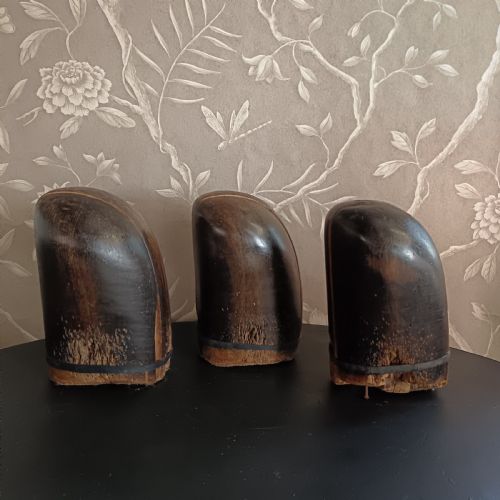
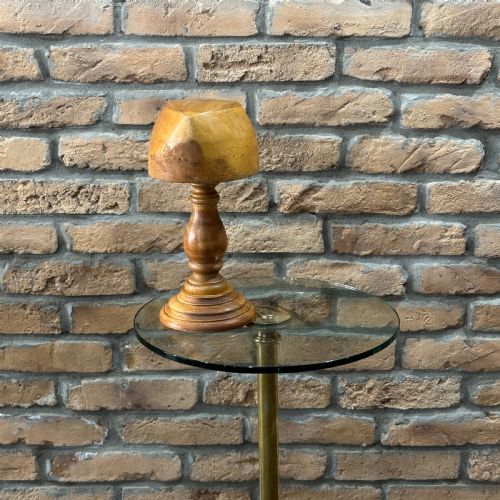
These millinery hat mould examples are functional shop implements shaped to form and stretch headwear, offering sculptural presence for modern display.
Millinery Hat Mould
When you search for a millinery hat mould, you encounter solid wooden blocks, carved forms, and metal shapes designed for shaping hats. These pieces originate from various eras including the Victorian period and the nineteen-twenties.
The selection ranges from carved wooden heads to specific forms like military bearskin cap blocks and mechanical hat stretchers. Wooden examples appear in oak, walnut, beech, and fruitwood, while later versions utilise cast aluminium and iron.
Materials and construction
Wood carved items rely on traditional carpentry techniques, utilising hardwoods such as oak, walnut, beech, and fruitwood to withstand the pressure of shaping felt and straw. Grain patterns and tool marks remain visible on these hand-shaped surfaces.
Industrial examples incorporate cast aluminium and iron, reflecting mid-century manufacturing methods for durable workshop tools. These metal forms offer precise geometric profiles distinct from hand-carved wooden iterations.
Periods represented range from the mid-nineteenth century through Victorian times and into the nineteen-twenties.
Factors of quality
The distinction in quality lies in the depth of carving and the integrity of the material, particularly in wooden heads that display deliberate artistry alongside utility. Carved folk art style pieces show distinct character through individual chisel work.
Condition and completeness affect the character of each piece, especially where adjustment mechanisms or original stands are involved. The choice between a warm wooden surface and a machined aluminium finish dictates the visual impact.
The Millinery Hat Mould Glossary
- Hat block
- A solid form used by hatters to shape and dry headwear during manufacture. These are typically carved from dense hardwoods.
- Millinery form
- A shaping tool employed in the creation of hats. Such objects reflect the specific period styles of millinery production.
- Hat stretcher
- A mechanical device used to enlarge or reshape hats. These incorporate wooden sections operated by a central screw mechanism.
- Folk art style
- A descriptor for items produced outside formal academic traditions. These pieces emphasise functional design with individual decorative expression.
Millinery Hat Mould: Frequently Asked Questions
What is a millinery hat mould used for?
These implements served as the foundational forms upon which hats were shaped, pressed, and trimmed in traditional workshops.
Today, collectors use them primarily as sculptural objects for interior display and hat storage.
How do I date a wooden hat block?
Dating relies on identifying the timber used, the tool marks left by the maker, and the overall style associated with periods like the Victorian era or the nineteen-twenties.
Examining the wear patterns and construction methods also provides clues to the age of the piece.
Are aluminium hat moulds authentic antiques?
Aluminium examples from the early twentieth century represent the industrial evolution of hat-making equipment alongside traditional wooden blocks.
These metal moulds were utilised in commercial production environments during the nineteen-twenties.
How should I display a hat block?
Hat blocks suit placement on shelves, desks, or specialised stands where their sculptural forms remain visible from all angles.
Keeping them away from direct heat sources helps preserve the condition of the wood or metal.