



Military Militaria
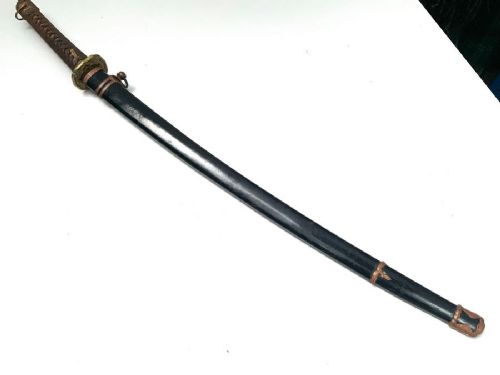
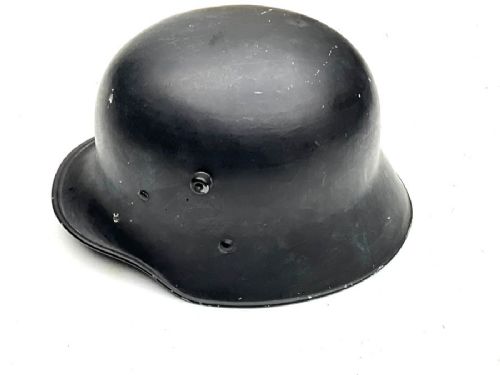
Military militaria spans centuries of combat history, offering collectors tangible pieces of martial heritage from helmets and swords to field instruments.
Military Militaria
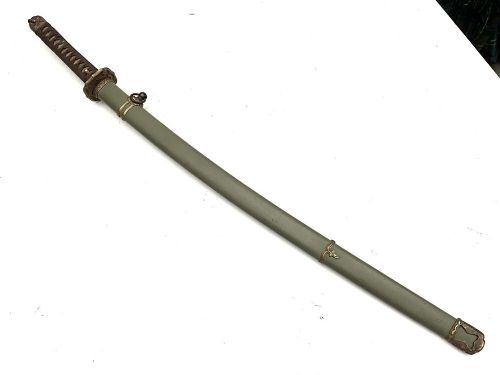
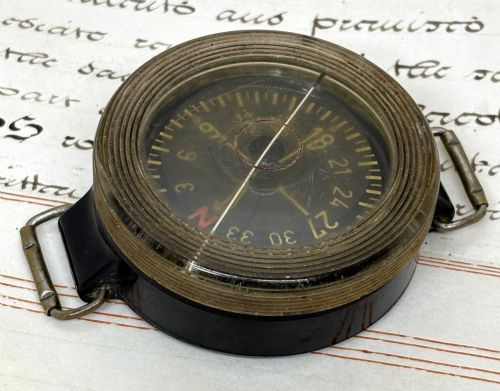
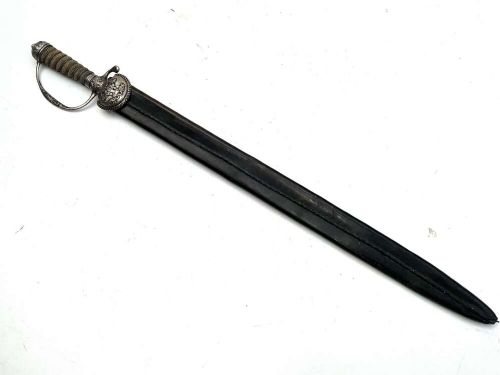
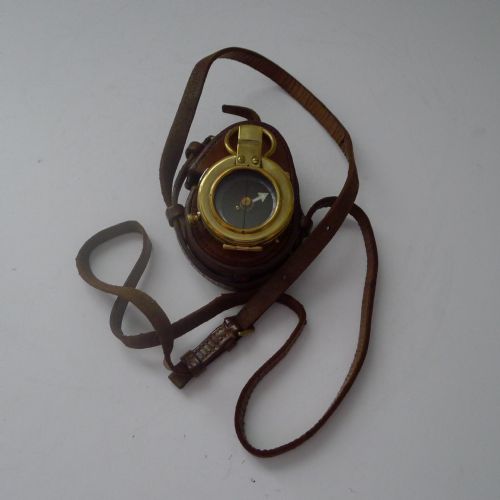
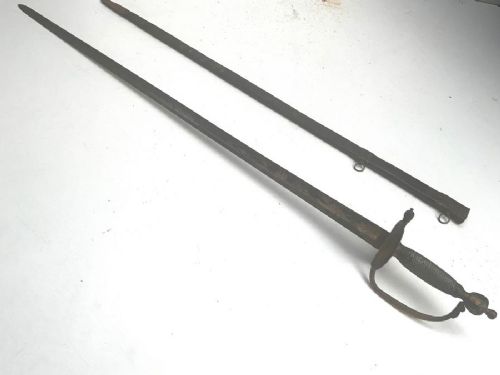
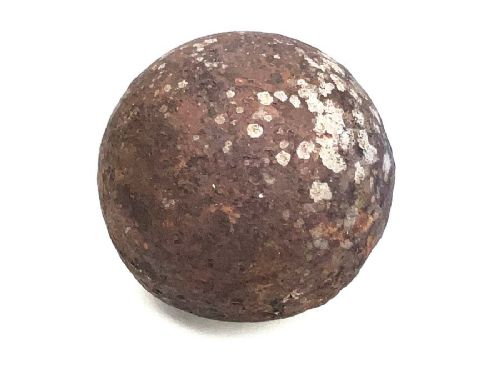
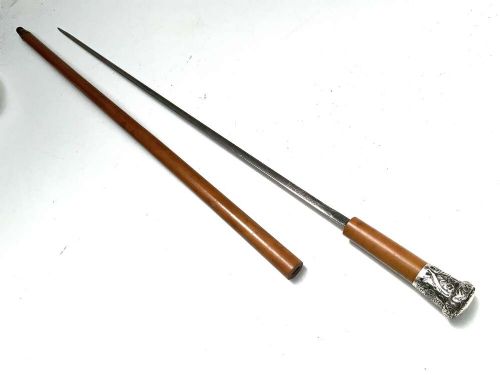
Military militaria encompasses edged weapons, firearms, headgear, and personal equipment issued to armed forces across multiple centuries. When exploring military militaria, collectors encounter items ranging from eighteenth-century flintlock muskets to twentieth-century helmets and compasses.
Objects originate from British, German, French, American, and other international regiments. Each piece reflects the specific tactical requirements and aesthetic standards of its issuing nation and era.
How they were made
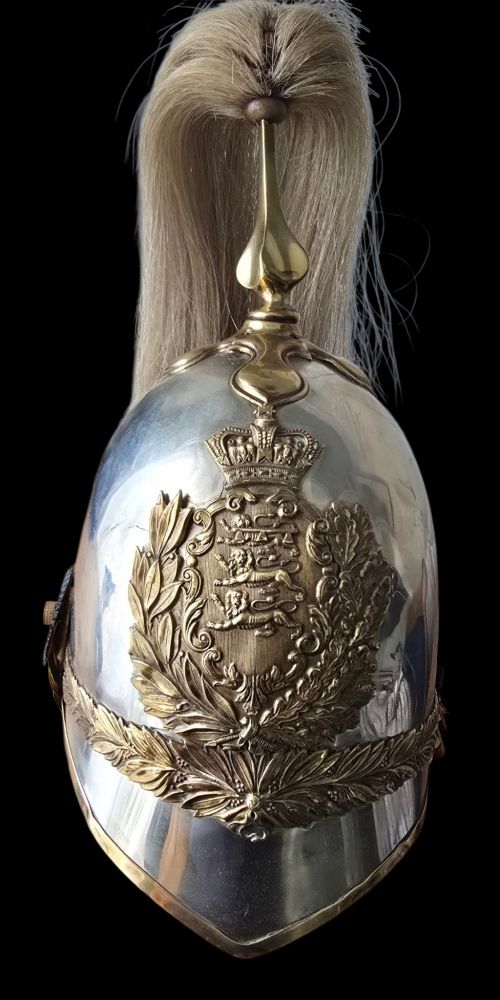
Makers utilised durable materials suited to field conditions, combining forged steel, iron, and brass with sturdy wood and leather. Edged weapon blades and firearm barrels relied on tempered steel, while helmets incorporated metal fittings, leather linings, and horsehair plumes.
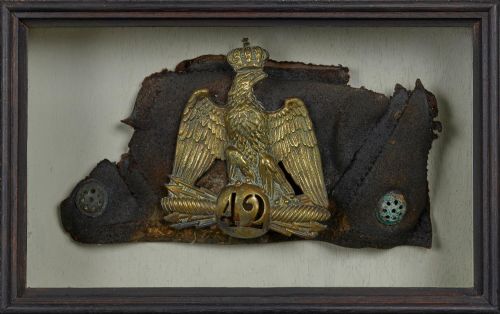
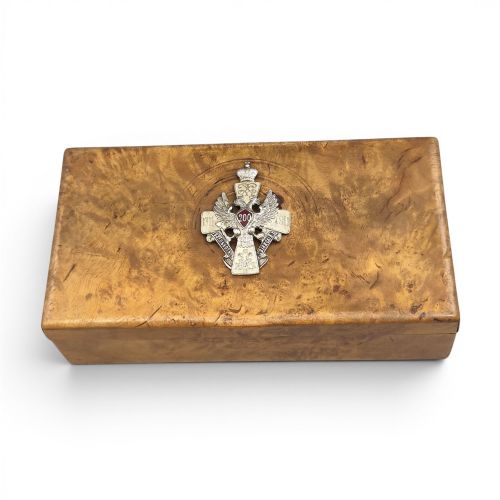
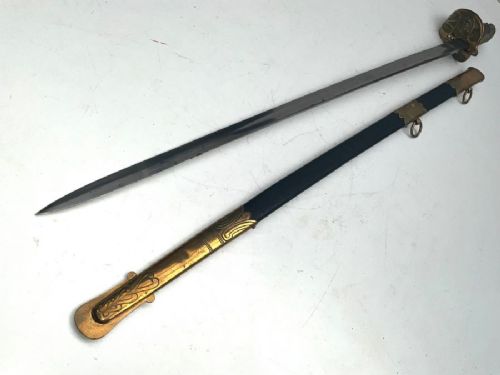
Craftsmen applied decorative techniques such as blue-gilt blade etching, silver enamel badges, and intricate metal stamping on regimental headgear. Wood components often utilised walnut or Karelian birch, shaped for stocks, grips, and officer boxes.
Military Militaria Retail Price Guide 2026
Typical asking prices for military militaria among the pieces listed under this phrase on Sellingantiques today, from the lower quarter to the upper quarter. They describe what is for sale here now, not the wider market.
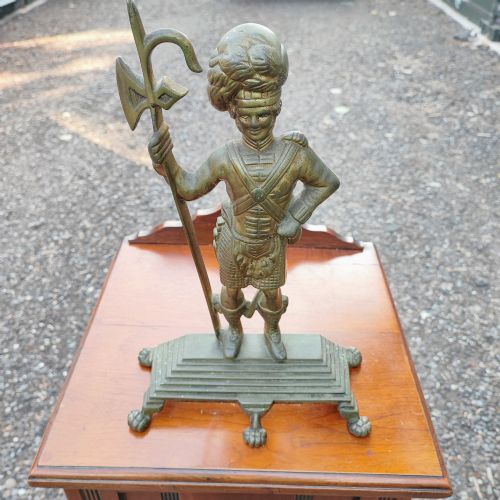
A Victorian brass Scottish soldier holding a halberd doubles as a sturdy door stop.
What varies in quality
Quality rests upon the degree of original component retention, from matching serial numbers on firearms to intact leather linings in headgear. Examples retaining their proper scabbards, badges, or matching parts command greater interest from discerning collectors.
The finesse of secondary work separates standard-issue pieces from officer-grade equipment. Presentation swords with etched blades and custom-ordered bicorn hats demonstrate superior manufacturing standards compared to mass-issued counterparts.
French Ltd.·Henry Nock·Hawkes and Co
The Military Militaria Glossary
- Pickelhaube
- A spiked helmet worn by nineteenth and early twentieth-century German military and police forces. These leather helmets typically featured prominent brass or steel fittings.
- Spadroon
- A lightweight nineteenth-century sword featuring a straight, single-handed blade designed for both cutting and thrusting. Officers frequently carried these during dress and parade duties.
- Shako
- A tall, cylindrical military cap adorned with a plume, cockade, or regimental plate. Infantry units widely adopted this headgear during the nineteenth century.
- Brown Bess
- A colloquial term for the British smoothbore flintlock muskets utilised extensively throughout the eighteenth and early nineteenth centuries. This firearm formed the standard infantry weapon of the British Empire.
Military Militaria: Frequently Asked Questions
How do I identify a pickelhaube?
A pickelhaube is recognised by its distinct spiked leather body paired with metal trim such as brass or steel. These helmets often display front wappen plates denoting specific regiments.
Examining the interior leather liner and fittings helps determine whether the piece belongs to officer or other ranks specifications.
What periods do these weapons cover?
The available pieces span from the eighteenth century through the twentieth century. This includes flintlock firearms, nineteenth-century sabres, and twentieth-century combat knives.
Each period reflects distinct metallurgical advancements and tactical shifts in military design.
How were officer items different?
Officer equipment was typically privately purchased rather than government-issued. Consequently, these pieces feature finer materials, custom engravings, and superior detailing.
Examples include presentation swords with blue-gilt blades and named bicorn hats.
Are these items authentic period pieces?
Listings feature historical artefacts bearing the wear, materials, and construction methods appropriate to their stated eras. Markings, stamps, and regimental badges provide clues to their service history.
Careful inspection of construction techniques confirms their historical manufacture.