



Military History Portrait Art
Military history portrait art brings centuries of service to your walls through oils, watercolours, and portrait miniatures.
Military History Portrait Art
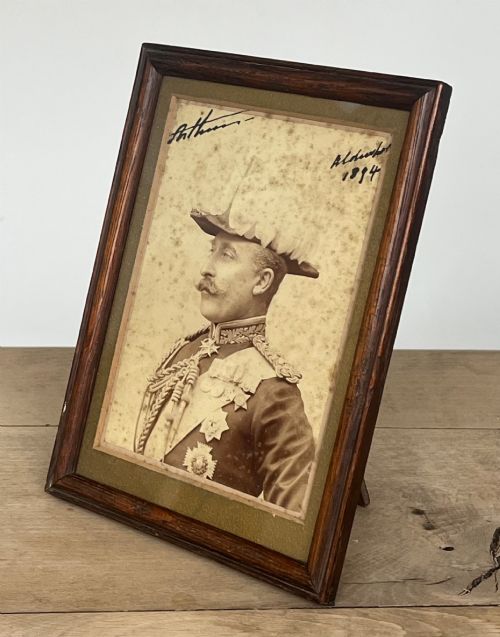
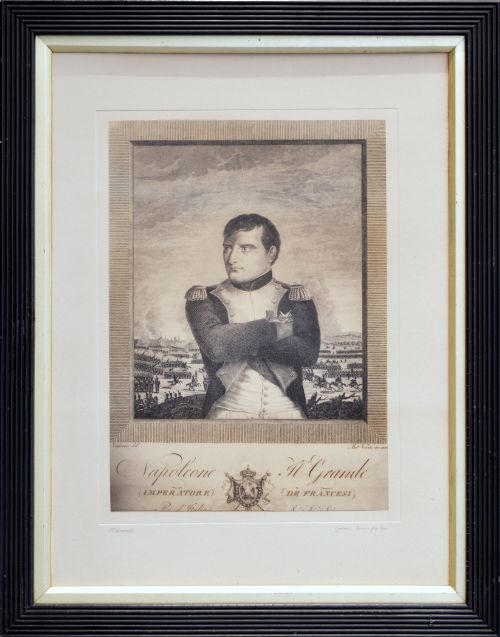
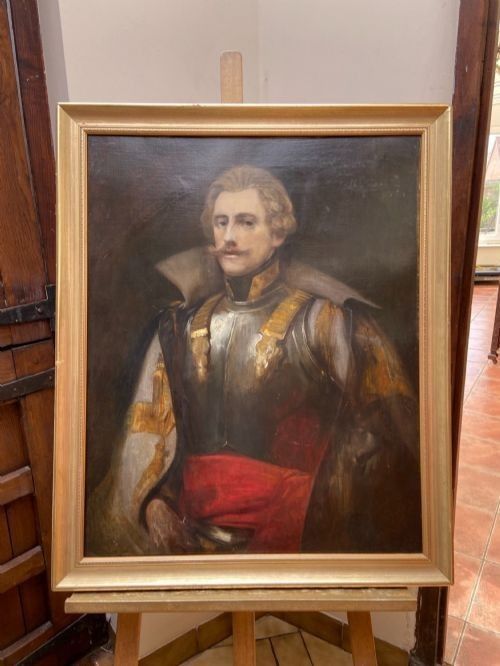
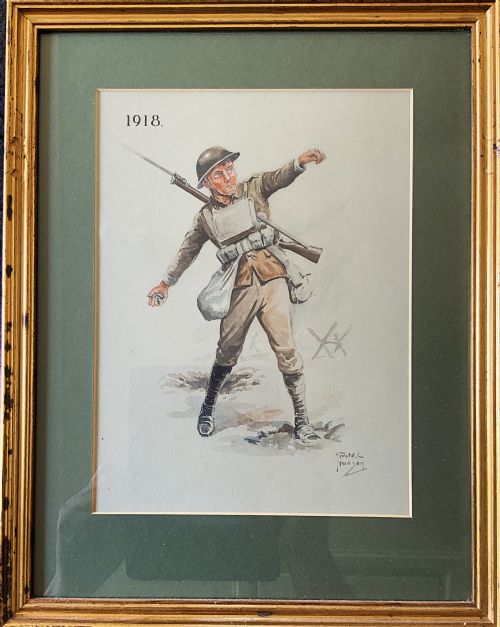
Military history portrait art captures officers, soldiers, and naval figures across periods from the eighteenth century to the twentieth century. These works range from large oil paintings on canvas to intimate portrait miniatures and printed pieces with handwritten annotations.
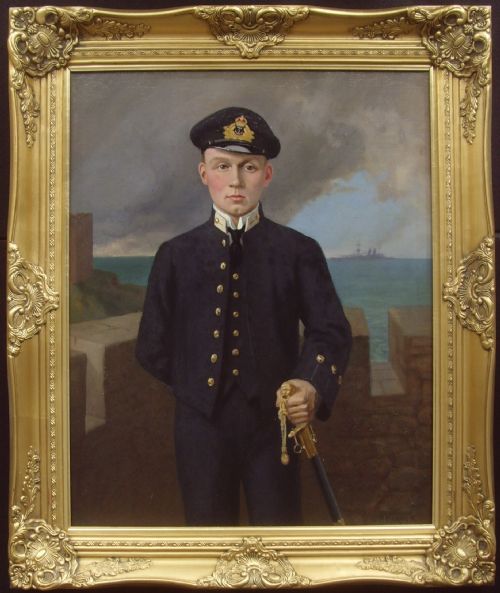
The pieces on this page document specific regiments and campaigns, including the Royal Navy, the Bengal Army, and the Royal Lancashire Militia. You will encounter officers and midshipmen rendered in mediums such as watercolour, wash, and oil.
Materials and methods
Artists working in this genre utilised oil paint on canvas and applied watercolour and wash on paper to record the likenesses of military personnel. Many of these artworks are housed within original gilt wood and glass frames.
Makers employed fine brushwork to detail uniforms, medals, and insignia accurately. Printed portraits often incorporate hand-written text or contemporary additions such as painted poppies.
Military History Portrait Art Retail Price Guide 2026
Typical asking prices for military history portrait art among the pieces listed under this phrase on Sellingantiques today, from the lower quarter to the upper quarter. They describe what is for sale here now, not the wider market.
Listings feature works spanning the eighteenth century, Regency period, Edwardian era, and the nineteen-thirties.
Judging the work
Quality rests upon the skill of the artist in capturing anatomical proportion and the precise details of military dress. Superior examples display depth in facial expression and careful handling of fabric textures.
The condition of the canvas or paper, along with the preservation of the original frame, influences the integrity of the piece. Works by recorded artists command greater attention for their documented provenance.
Samuel Harry Hancock·John Simmons·Henry L Gates·Maurice Codner·Sir William Charles Ross·Sir Richard Westmacott
The Military History Portrait Art Glossary
- Oil painting
- A work created using pigments suspended in a drying oil, typically applied to stretched canvas. This medium allowed artists to build rich layers of colour and texture.
- Portrait miniature
- A small, highly detailed painting, often created on ivory, vellum, or card during the eighteenth and nineteenth centuries. These portable pieces required immense precision from the artist.
- Watercolour
- A painting method where coloured pigments are suspended in a water-based solution, usually applied to paper. It offers transparency and delicate washes of tone.
- Gilt wood
- Wood that has been treated with a thin layer of gold leaf or metallic powder. It frequently frames fine art from the Georgian and Victorian eras.
Military History Portrait Art: Frequently Asked Questions
What periods do these portraits cover?
The collection spans from the eighteenth century through the Regency and Victorian eras into the early twentieth century. You will find pieces reflecting specific historical conflicts and milestones.
Dates range from the seventeen-sixties to the nineteen-forties, capturing distinct shifts in military uniform and artistic technique.
How were these military portraits used?
Historically, military portraits were commissioned by regiments, families, or naval commanders to commemorate service and rank. They hung in officers' messes, country houses, and maritime institutions.
Smaller formats like miniatures were often carried by family members or kept as personal tokens of remembrance during long deployments.
How do I care for framed canvas and paper?
Keep these artworks away from direct sunlight and damp conditions to protect the canvas, watercolours, and paper from fading or deterioration. Stable room temperatures prevent the wooden frames and grounds from cracking.
Dust gilt wood gently with a dry, soft brush and avoid using liquid cleaners on the painted surfaces.
How do I identify a naval officer from an army soldier?
Uniform details provide the primary clues, such as naval braiding, anchor buttons, and specific regimental colours or cap badges. Inscriptions on the reverse or within the frame often name the service branch and the sitter.
Contextual clues like seascape backgrounds typically indicate naval service, while camp or garrison settings point to the army.