


Milgrain Sapphire Dress Ring
A milgrain sapphire dress ring brings together vibrant blue or pink sapphire stones and brilliant diamonds set in precious metals, designed to catch the light.
Milgrain Sapphire Dress Ring
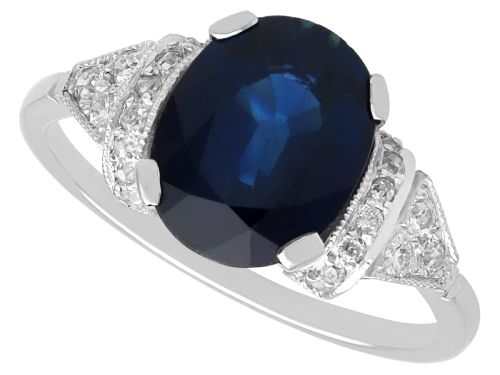
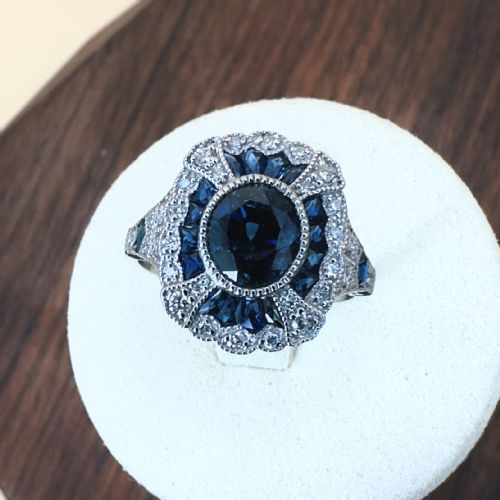
A milgrain sapphire dress ring is a piece of jewellery designed to sit prominently on the hand, combining the deep blue or pink tones of sapphire with the sparkle of diamond. When searching for a milgrain sapphire dress ring, buyers encounter pieces primarily shaped by the Art Deco style and the mid-century modern period. These examples span the 1920s, 1930s, Edwardian eras, and the 1950s and 1960s, showing a clear preference for geometric cluster and panel layouts.
The most common version met on this page is the cluster or panel form, where a central sapphire is surrounded by smaller diamonds in platinum or 18ct white gold. These rings showcase the distinct aesthetics of the early twentieth century, utilising platinum settings alongside 18ct gold variations. Each ring reflects the distinct craftsmanship of its period, from strict geometric Art Deco lines to softer floral clusters.
How they were made
Makers constructed these pieces using durable white metals like platinum and 18ct white gold to securely hold the stones while keeping the metalwork visually light. The primary gemstones, sapphire and diamond, were shaped into old cuts, rose cuts, or baguette cuts to maximise brilliance within the bezel or claw settings.
The characteristic milgrain finish involved creating a fine, beaded border along the edges of the metal settings using specialised hobnail tools. This delicate texturing softened the geometric transitions of the design and framed the central sapphire and surrounding diamonds with precision.
The periods represented span Edwardian, 1920, 1930, 1950, and 1960 rings with cluster and panel formations.
What varies in quality
The distinction between tiers of these rings lies in the uniformity of the milgrain beadwork and the selection of the central sapphire. Superior examples display impeccably even metal beading along every edge alongside vibrant, evenly saturated sapphire crystals.
Another factor is the matching and setting of the surrounding diamonds, where top tier pieces feature stones with consistent cut grades that sit flush within the platinum or white gold framework.
The Milgrain Sapphire Dress Ring Glossary
- Milgrain
- A decorative edging technique consisting of a row of small, raised metal beads pressed into the bezel or prongs around a gemstone. It softens the hard edges of the metal and adds texture.
- Cluster ring
- A ring design featuring a prominent central stone encircled by a group of smaller gemstones, often diamonds. This arrangement maximises visual impact on the hand.
- Baguette cut
- A step-cut diamond or gemstone shaped in a narrow rectangle with straight parallel sides. It provides crisp linear contrast in geometric cluster layouts.
- Old cut
- A traditional diamond cutting style characterised by a high crown, small table, and deep pavilion. These cuts display broad, warm flashes of light rather than modern brilliant sparkle.
- Platinum
- A dense, strong, and ductile precious metal prized for its durability and bright white lustre. It allows for delicate settings that securely hold precious gemstones.
Milgrain Sapphire Dress Ring: Frequently Asked Questions
How do I wear a milgrain sapphire dress ring daily?
These rings suit everyday wear provided you take sensible precautions with precious stones and delicate metalwork. Avoid wearing them during heavy manual tasks to protect the platinum or gold settings.
Store the ring in a fabric-lined box separately from other jewellery to prevent scratching. Regular gentle cleaning maintains the brightness of the diamonds and the sparkle of the sapphire.
What is the difference between Art Deco and Edwardian rings?
Art Deco designs favour bold geometric lines, symmetrical patterns, and structured panel or cluster layouts. They utilise materials like platinum and white gold to create sharp architectural silhouettes.
Edwardian pieces lean towards softer, organic motifs with intricate openwork and lace-like metal detailing. Both styles frequently incorporate milgrain borders to frame the central sapphire.
Are all sapphires blue?
Sapphires occur in a wide spectrum of colours beyond traditional blue, including pink, yellow, green, and colourless varieties. Pink sapphires feature prominently in mid-century and Art Deco cluster designs alongside traditional blue stones.
All non-red varieties of the mineral corundum are classified as sapphires, sharing the same durability and crystalline structure. Each colour offers a distinct visual character when paired with diamonds in white gold.