





Middle Eastern Runner
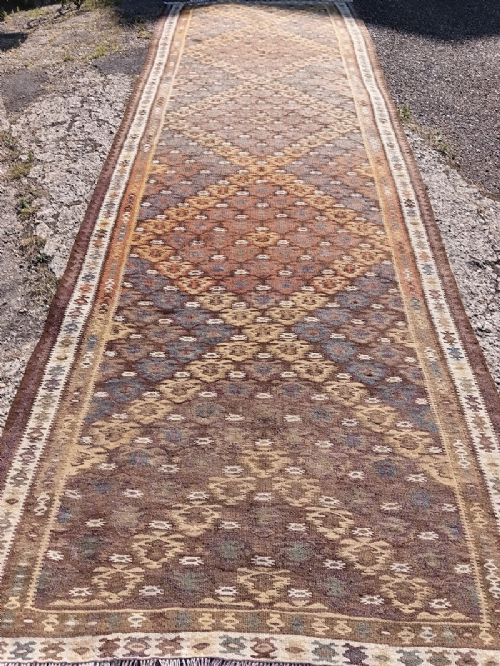
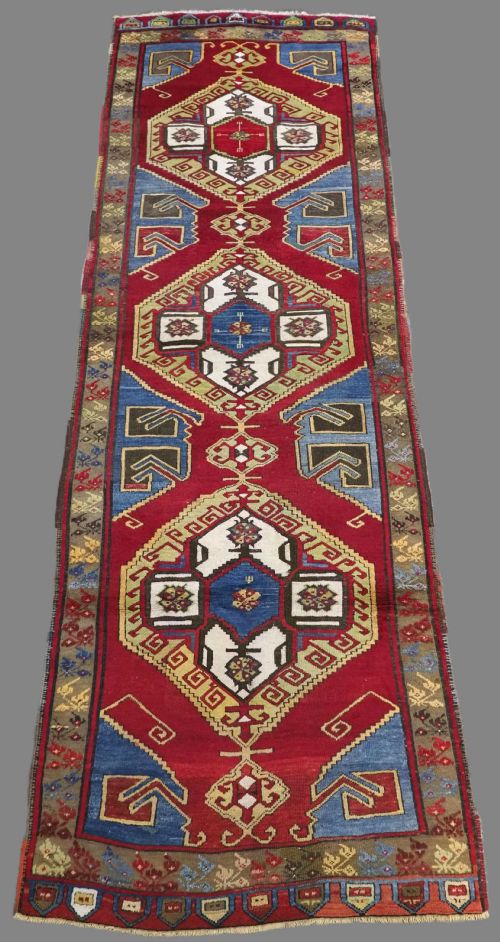
A middle eastern runner brings tribal character and warmth to a hallway through geometric motifs and rich wool pile.
Middle Eastern Runner
A middle eastern runner provides a narrow format designed for hallways, corridors, and long spaces, combining utility with distinct weaving traditions. These textiles originate from village and nomadic workshops across regions such as Persia, Anatolia, and Afghanistan.
Geometric medallions, floral vase designs, and prayer mihrabs frequently appear across these narrow formats. The selection leans heavily toward tribal and village aesthetics rather than formal court designs.
How they were made
Weavers utilised natural hand-spun wool for the pile and foundation, ensuring resilience in heavy traffic areas. Cotton also appears in foundations, providing structural stability for the intricate pile knots.
Dyes derived from natural sources create the deep colour palettes visible across the rugs. Hand knotting techniques secure the pile to the warp and weft threads, resulting in dense and durable textiles.
Middle Eastern Runner Retail Price Guide 2026
Typical asking prices for middle eastern runner among the pieces listed under this phrase on Sellingantiques today, from the lower quarter to the upper quarter. They describe what is for sale here now, not the wider market.
Tribal weavers sometimes intentionally altered a geometric motif mid-weave, leaving a subtle imperfection to ward off the evil eye.
What varies in quality
Knot density and structural tightness dictate the fineness of the weaving and the clarity of the design motifs. Finer knotting allows intricate geometric and floral patterns to remain sharp and well-defined.
The quality of the wool and the depth of the dye saturation influence the longevity and visual richness of the surface. Uniform pile retention and intact original selvedges mark superior examples from village and tribal workshops.
The Middle Eastern Runner Glossary
- Mihrab
- A niche design element in prayer rugs, often shaped like an arch, representing a focal point for devotion. This motif appears frequently in Baluch and Persian prayer rugs.
- Kelleh
- A large rectangular carpet format, typically longer than it is wide, associated with Persian and Kurdish weaving traditions. These pieces served specific domestic functions in traditional village homes.
- Selvedge
- The finished side cord of a rug that prevents the edges from unravelling. Original selvedges indicate careful preservation and proper maintenance over the life of the textile.
- Warp
- The vertical foundation threads stretched tightly on the loom before knotting begins. The warp provides the structural backbone for the entire rug.
- Weft
- The horizontal threads passed across the warp threads between rows of knots to lock them in place. Weft threads ensure the stability and firmness of the woven fabric.
Middle Eastern Runner: Frequently Asked Questions
How do I care for a wool runner?
Vacuum the rug regularly with the suction attachment, avoiding the spinning brush roll to protect the fragile wool pile. Rotate the piece periodically to ensure even wear across high traffic areas.
Professional cleaning should be undertaken by specialists familiar with antique vegetable dyed wools. Avoid harsh chemical spot treatments that might damage the natural fibres and alter the dye colours.
Where should I place a runner?
These narrow textiles suit hallways, corridors, and long entryways where floor coverings soften footsteps and add colour. They also function effectively in galley kitchens or beside bedroom furniture.
Ensure you use a breathable underlay beneath the rug to prevent slipping and reduce friction against hard wooden or tiled floors.
How do I identify tribal designs?
Tribal rugs typically feature geometric patterns, stylized animals, and hooked medallions rather than elaborate court florals. Weavers working independently in village settings relied on memory and tribal motifs passed down through generations.
Asymmetrical designs and spontaneous colour changes often point to nomadic or village production rather than centralized urban manufacture.
What does pile height indicate?
Pile height reflects the thickness of the wool remaining above the foundation after years of use and natural wear. A low, even pile is common in older village and tribal rugs that have seen active service.
Uniform wear across the surface indicates steady habitation rather than neglected storage, provided the foundation remains secure and strong.