
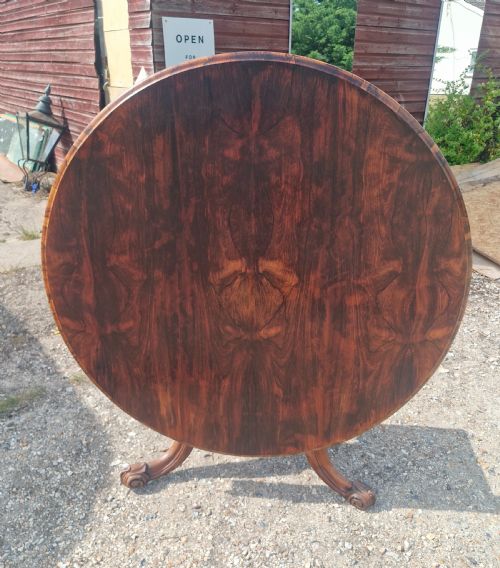


Mid Victorian Dining Table
A mid victorian dining table brings solid nineteenth-century timber and mechanical ingenuity to the room.
Mid Victorian Dining Table
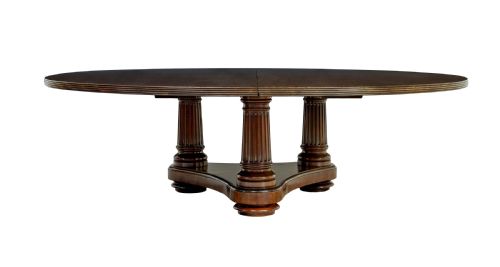
When you search for a mid victorian dining table, you encounter substantial dining furniture built during the middle decades of the nineteenth century. These pieces emerge primarily in mahogany, walnut, and oak, reflecting the prevailing Victorian and mid-Victorian styles of the era. You will frequently find extending variants featuring wind-out or pull-out mechanisms designed to accommodate multiple leaves.
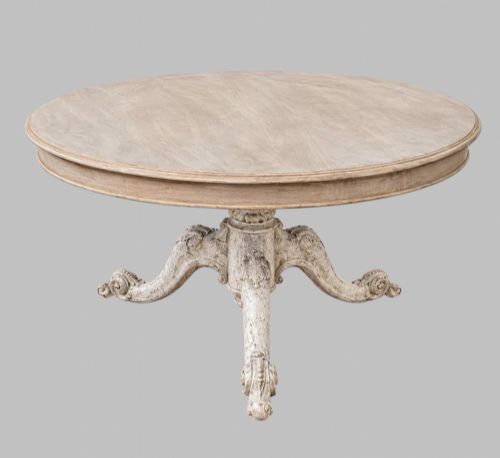
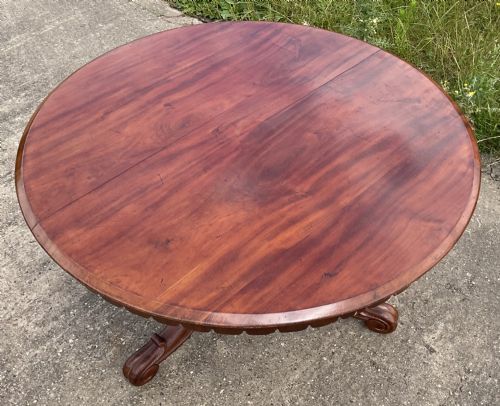
The selection ranges from grand mahogany extending formats seating large numbers of guests down to compact circular or oval breakfast and loo tables. Alongside traditional formal dining furniture, the period also yields vernacular country house and rustic farmhouse examples constructed in pine or oak. Such pieces demonstrate the varied domestic requirements of nineteenth-century households, from formal dining rooms to informal kitchens.
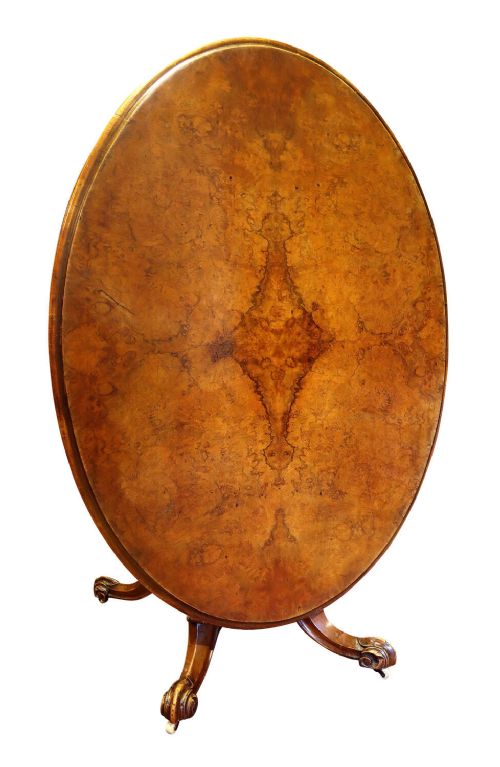
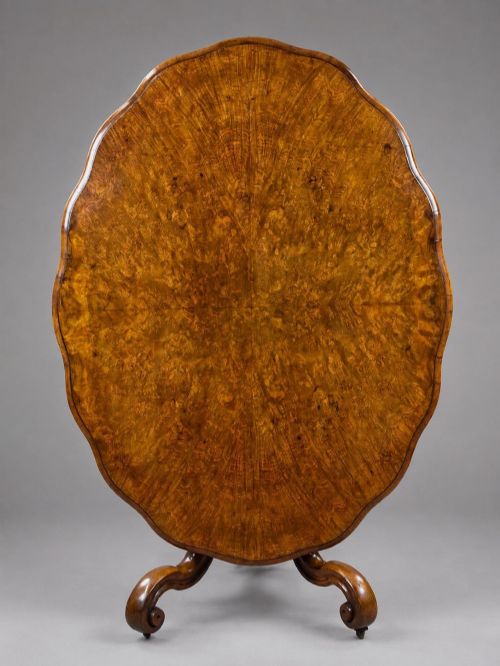
Many survivors retain their original configuration, including pedestal bases, pillar supports, and X-frame structures. The design vocabulary relies heavily on the natural grain of the wood, whether figured mahogany, burr walnut, or pollard oak. Consequently, each table offers a distinct visual weight appropriate to nineteenth-century interior aesthetics.
How they were made
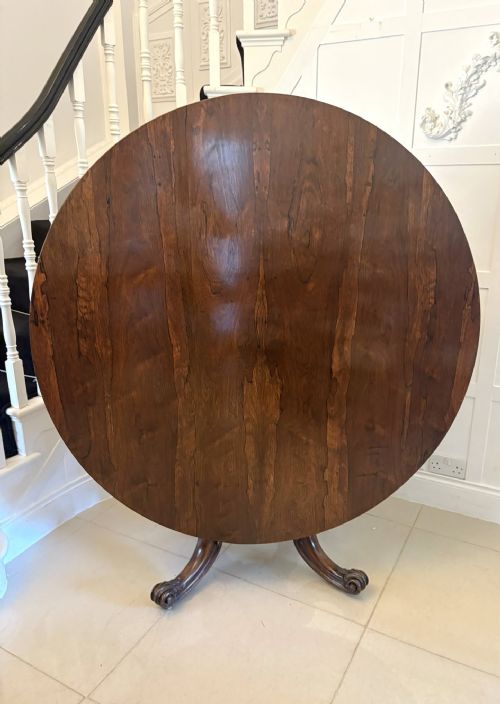
Cabinet makers of the period relied predominantly on solid mahogany, walnut, and oak, frequently applying highly figured veneers such as burr walnut or rosewood to primary surfaces. Timber selection governed both the structural integrity and the decorative impact of the table top. Workshops employed traditional joinery techniques to construct stable carcasses capable of supporting heavy extending mechanisms.
Extending dining tables incorporated internal screw or runner systems, operated by winding handles, to part the framework evenly and insert extra leaves. Pedestal and centre tables utilised robust central pillars supported by carved or moulded tripod and quadruped bases. Finishing involved hand-applied polish that enhanced the deep tones and grain patterns of the wood.
What varies in quality
The distinction between standard domestic furniture and top-tier pieces rests on timber selection, carving depth, and mechanical sophistication. High-grade examples display finely figured veneers, substantial timber thicknesses, and robust internal extending systems that operate smoothly. Simpler vernacular pieces utilise utilitarian timbers like pine with straightforward pegged or nailed construction.
Proportion and execution define the standing of a table. Superior examples exhibit balanced architectural proportions, crisp moulding profiles, and stable pedestal structures that show no lateral movement. The integrity of the extending mechanism and the matching of timber grain across inserted leaves further separate standard workshop output from exhibition-quality production.
J & T Scott Edinburgh
The Mid Victorian Dining Table Glossary
- Wind-out mechanism
- A mechanical internal screw system operated by a handle that allows an extending dining table to open and accept additional leaves. This mechanism relies on brass metalwork and wooden runners.
- Loo table
- A large round or oval tilt-top table popular in the nineteenth century, initially used for the card game loo. These tables typically stand on a central pedestal with a multi-legged base.
- Burr walnut
- A decorative wood veneer harvested from the warted growths on walnut trees, yielding intricate swirling grain patterns. Cabinet makers prized this material for the top surfaces of formal Victorian tables.
- Tilt top
- A table top hinged to the central pillar so it can tilt vertically when not in use for convenient storage. This feature appears frequently on breakfast and loo tables of the period.
- Extension leaf
- A removable board inserted into an extending table to increase its overall length for larger gatherings. These leaves are stored separately when the table is closed down to its base size.
Mid Victorian Dining Table: Frequently Asked Questions
How many leaves can I add?
The number of usable leaves depends on the specific extending mechanism and the original set supplied with the table. Many mid-nineteenth-century tables accept between one and four extra leaves, governed by the length of the internal runners.
Check the storage space and the support legs underneath, as tables extending beyond two leaves often require a central pull-down leg to bear the weight. Adding leaves beyond the designed capacity will strain the timber frame and cause sagging along the centre line.
Where were these tables used?
These tables served primarily in the dining rooms of Victorian townhouses, country residences, and large rural properties. Formal extending formats occupied dedicated dining spaces, while smaller circular pedestal or tilt-top versions stood in parlours and morning rooms.
Kitchen and tavern variants operated in more utilitarian domestic spaces for daily food preparation and casual dining. The choice of location traditionally dictated whether the piece featured fine rosewood and burr walnut or robust painted pine and oak.
How do I care for the polish?
Maintain nineteenth-century polished timber surfaces by dusting with a dry, soft cloth and applying a traditional beeswax polish sparingly. Avoid placing hot dishes or wet glasses directly onto the wood to prevent marking the historical finish.
Keep the table away from direct heat sources and strong sunlight, which can dry out the timber and fade figured veneers like rosewood and walnut. Consistent indoor humidity levels prevent the wood and extending joints from warping over time.