


Mid Century Wood Table
A mid century wood table brings warmth and practicality to a room, spanning forms from coffee tables to grand dining tables.
Mid Century Wood Table
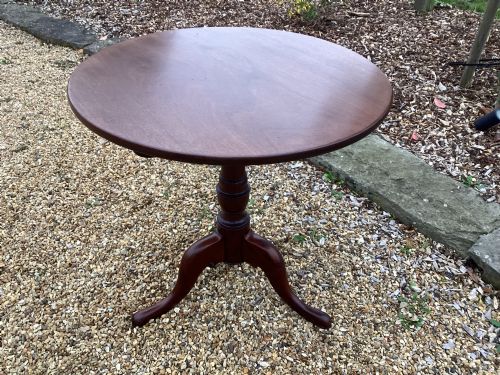
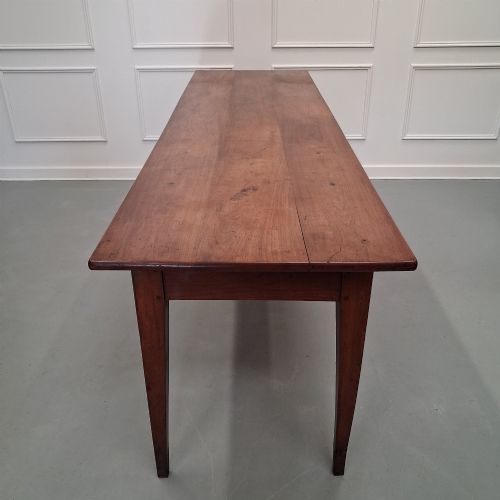
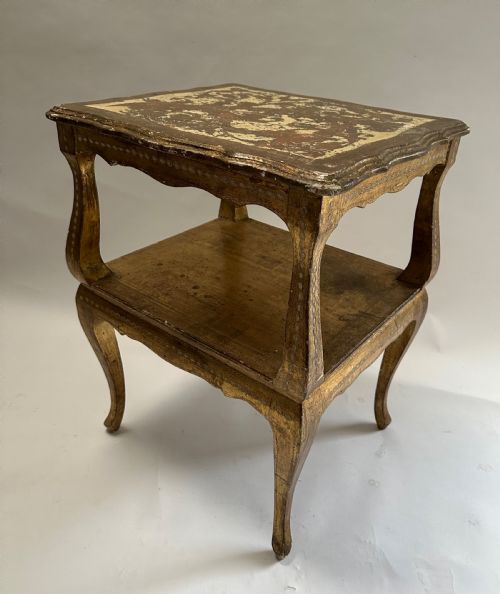
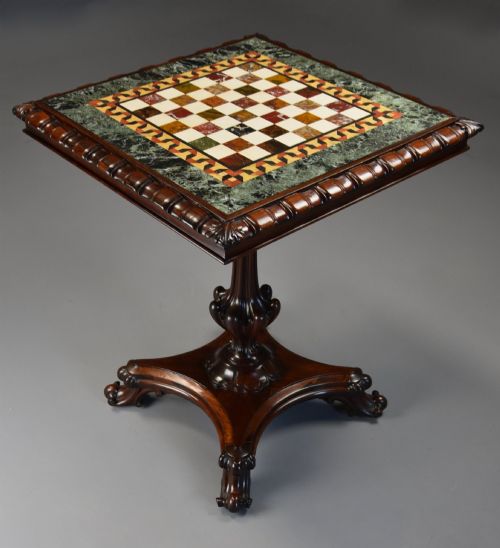
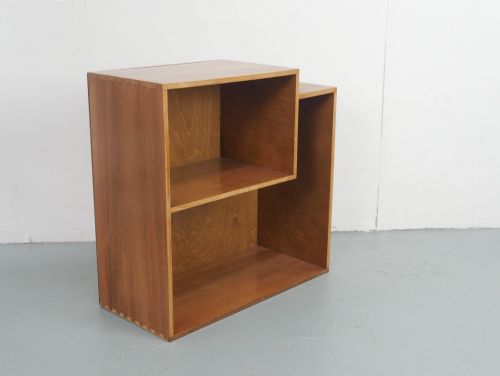
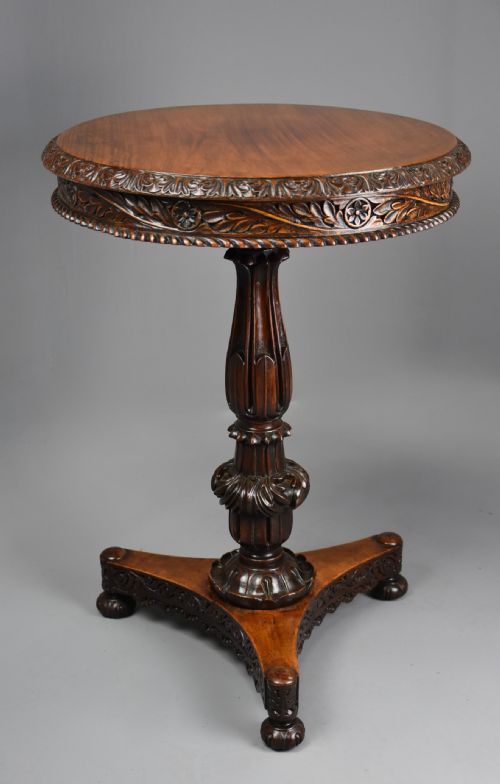
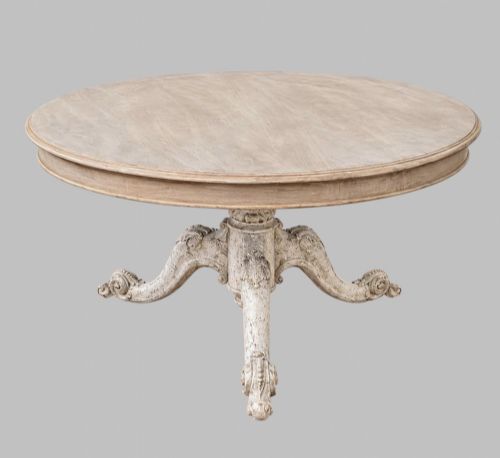
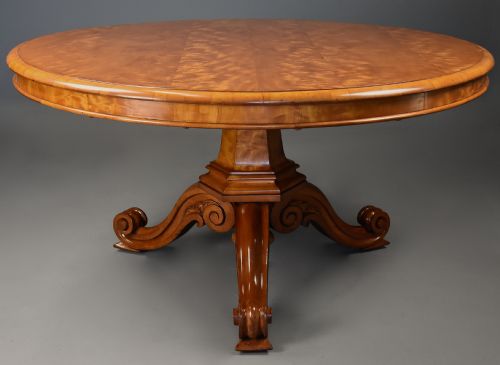
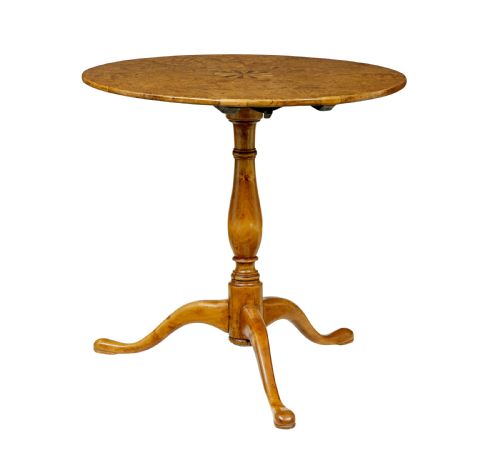
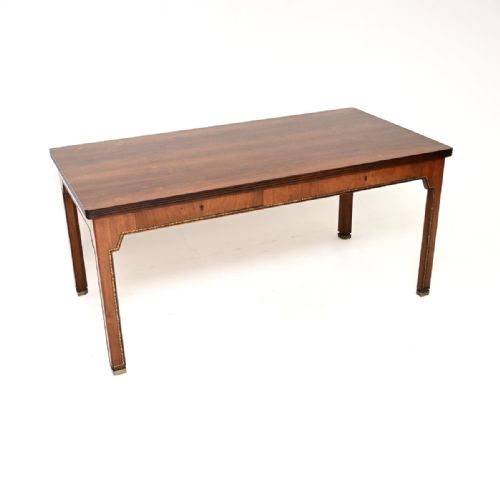
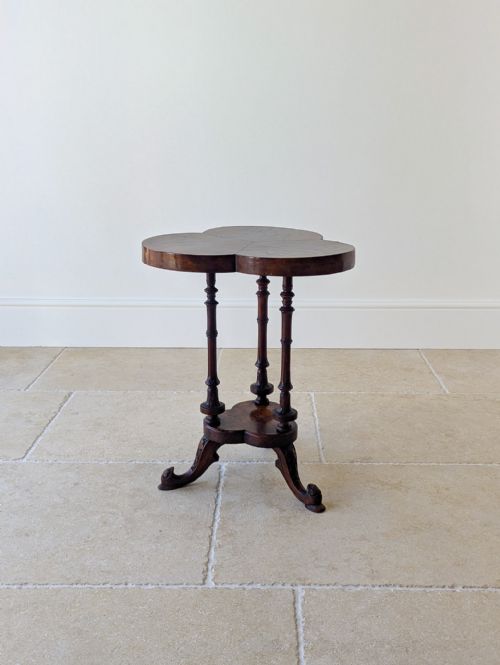
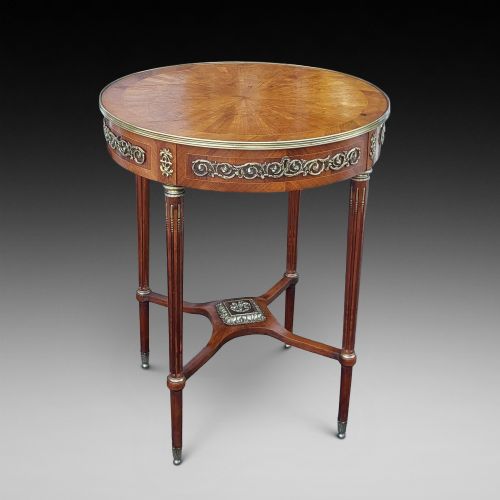
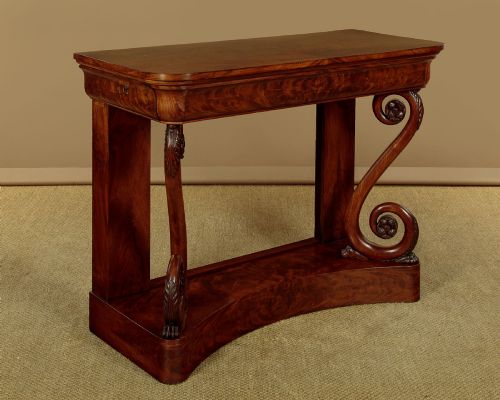
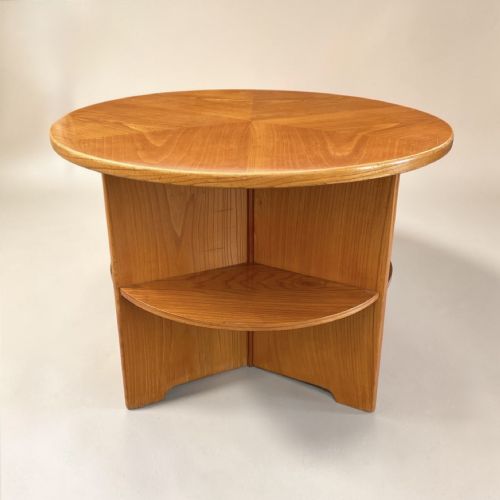
When you search for a mid century wood table, you encounter diverse forms ranging from occasional tables and centre pieces to writing desks and dining tables. These objects reflect various periods and regional styles, though nineteenth-century pieces dominate the selection.
The assortment includes specific regional interpretations such as Anglo-Indian padouk tables, Swedish birch pieces, and Danish rosewood desks alongside standard Victorian and Georgian forms. Buyers find everything from compact wine tables to large dining surfaces intended for central placement in a room.
Materials and construction
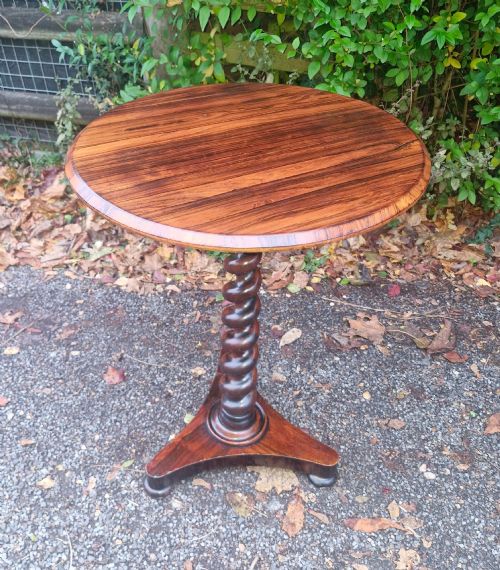
Cabinetmakers utilised rich timber species including mahogany, rosewood, walnut, burr walnut, and satin birch, often selecting veneers with figured grain patterns to create visual impact. Brass mounts, glass tops, and leather inserts appear on specific desks and etageres to add functional contrast.
Joinery techniques matched the demands of each form, from tilt-top mechanisms and pedestals to cabriole legs and folding tea table hinges. Turnings, marquetry, and inlaid details demonstrate the varied joinery and decorative methods employed across different centuries.
Mid Century Wood Table Retail Price Guide 2026
Typical asking prices for mid century wood table among the pieces listed under this phrase on Sellingantiques today, from the lower quarter to the upper quarter. They describe what is for sale here now, not the wider market.
A bobbin leg stool from eighteen-fifty offers diminutive seating supported entirely by turned wooden reels.
Judging the standard
Quality rests upon the selection of timber and the precision of the veneer work, particularly on burr walnut, kingwood, and rosewood surfaces where grain matching defines the appearance. Finer examples display meticulous carving on legs and edges, alongside robust structural framing that withstands daily use.
The integrity of original mechanisms, such as tilt-top catches and folding table hinges, separates superior pieces from altered ones. Proportion and balance in design, whether in a pedestal desk or a centre table, indicate the competence of the original maker.
Mallett·Étienne Kohlmann
The Mid Century Wood Table Glossary
- Centre table
- A freestanding table designed to be viewed from all sides, typically positioned in the middle of a room.
- Tilt-top table
- A table with a hinged top that folds vertically when not in use to save space.
- Loo table
- A large nineteenth-century round or oval table originally used for the card game loo.
- Lowboy
- A small eighteenth-century table with drawers, used as a dressing table or side table.
- Étagère
- A set of open shelves for displaying small objects, often tiered and supported by slender columns.
Mid Century Wood Table: Frequently Asked Questions
How do I use a centre table?
A centre table stands away from walls as a focal point in a larger room. It provides a surface for lamps, books, or decorative objects.
Ensure there is sufficient walking space around the perimeter so the piece functions properly within the room layout.
Where should I place an occasional table?
Occasional tables fit beside seating areas or in empty corners where extra surface space is useful. Their compact size allows for flexible placement throughout a home.
Match the height of the table to the surrounding furniture for comfortable daily use.
How do I care for rosewood and mahogany?
Dust wood surfaces regularly with a soft, dry cloth to prevent accumulation. Keep tables away from direct sunlight and heat sources to protect the polished finish.
Apply appropriate beeswax sparingly when the timber appears dry, buffing gently to maintain the natural lustre.
Can I use a writing desk daily?
Antique desks accommodate modern writing tasks and laptop use while offering generous surface area. Their sturdy construction supports everyday work when treated with reasonable care.
Protect leather or wood writing surfaces with pads if necessary to prevent accidental marks.