



Mid Century Walnut Sideboard
A mid century walnut sideboard brings rich grain and practical surface space into a room, serving as both storage and a striking focal point.
Mid Century Walnut Sideboard
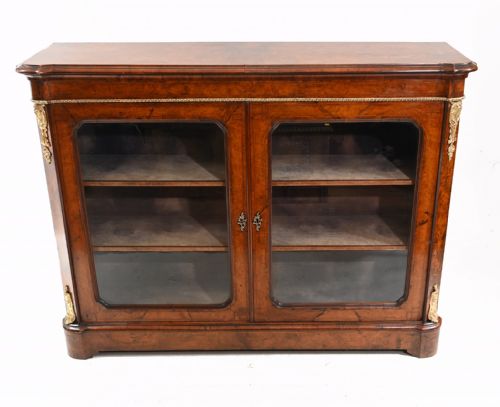
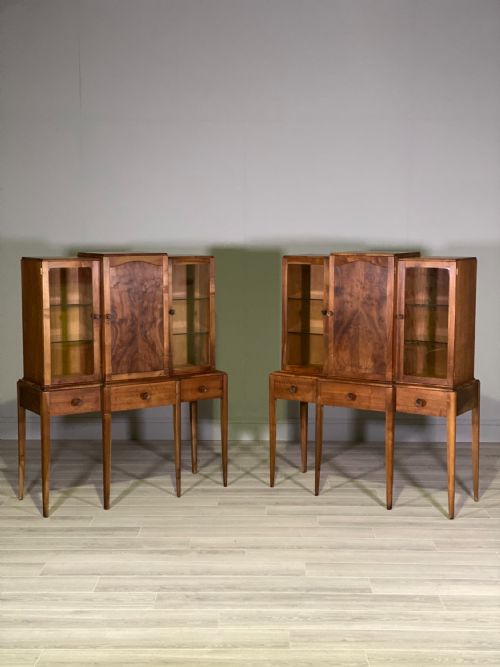
When you search for a mid century walnut sideboard, you encounter a variety of storage furniture spanning several eras and stylistic traditions rather than a single unified design. The inventory on this page ranges from mid-twentieth-century workshop pieces to nineteenth-century credenzas and eighteenth-century dresser bases, all united by the use of walnut.
The objects take many forms, including credenzas with marble tops, inlaid cabinets, and console tables. Buyers looking for these pieces want functional timber furniture that displays strong grain patterns and traditional craftsmanship.
Materials and construction
The pieces on this page rely primarily on solid walnut and burr walnut veneers, selected for their rich brown tones and decorative figuring. Secondary timbers such as oak often provide structural support within carcases and drawer linings.
Metal mounts in brass and ormolu add detail to the nineteenth-century examples, while glass panels and mirror glass appear in display cabinets and pier cabinets. Surface decoration frequently incorporates detailed inlay and carved elements.
Mid Century Walnut Sideboard Retail Price Guide 2026
Typical asking prices for mid century walnut sideboard among the pieces listed under this phrase on Sellingantiques today, from the lower quarter to the upper quarter. They describe what is for sale here now, not the wider market.
One listed console table carries a double stamp, proving that even fine furniture occasionally needed two attempts to make its mark.
Assessing quality
Quality in these walnut pieces rests upon the selection of timber and the precision of the cabinetmaking. Finely figured burr veneers and crisp carving distinguish the superior examples from simpler utilitarian furniture.
The integration of secondary materials like marble tops, ormolu mounts, and specialised interior fittings such as secretaire drawers further elevates a piece. Maker stamps and attribution to known workshops add historical interest and evidence of skilled manufacture.
Edward Barnsley·Étienne Kohlmann·Arthur Reynolds Of Ludlow
The Mid Century Walnut Sideboard Glossary
- Burr walnut
- A wood harvested from walnut tree growths that produces highly intricate, swirling grain patterns. It is typically sliced into veneers for decorative cabinet fronts.
- Credenza
- A low dining-room or reception-room cabinet, often featuring doors and sometimes glass panels. Nineteenth-century versions frequently incorporate ormolu mounts and marble tops.
- Ormolu
- Gilded bronze used for decorative mounts and feet on furniture. It provides metallic contrast against dark walnut surfaces.
- Dresser base
- A low wooden storage unit with drawers and cupboards, originating in earlier centuries for domestic use. These pieces predate standard mid-century sideboard forms.
- Pier cabinet
- A narrow display cabinet designed to stand against the wall space between windows. They often feature glass doors to showcase collections.
Mid Century Walnut Sideboard: Frequently Asked Questions
What is a credenza?
A credenza is a low storage cabinet that typically sits against a wall, frequently used in dining or reception rooms for storing tableware or linens.
Over the centuries, the form evolved from simple wooden bases to elaborate nineteenth-century designs featuring marble tops, glass doors, and gilt metal mounts.
How do I care for walnut furniture?
Walnut furniture requires protection from direct sunlight and excessive heat fluctuations to prevent the wood and veneers from drying out or splitting.
Regular dusting with a soft cloth and occasional application of appropriate wax helps maintain the natural lustre of the timber.
What is burr walnut?
Burr walnut is taken from a growth or knot on the walnut tree, where the grain grows in swirling, organic patterns rather than straight lines.
Cabinetmakers slice this wood into thin veneers to create highly decorative surfaces on the fronts of cabinets and sideboards.
Are these pieces from the mid-century?
The selection includes items from various periods, ranging from the eighteenth and nineteenth centuries up to mid-century modern designs.
While the search term specifies the mid-century, the listings reflect a broad range of eras that utilise walnut timber in sideboard and cabinet forms.