





Mid Century Wall Decor
Mid century wall decor brings together paintings, prints, and plaques that define the character of a room.
Mid Century Wall Decor
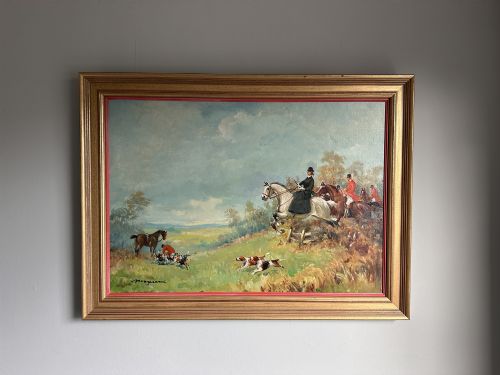
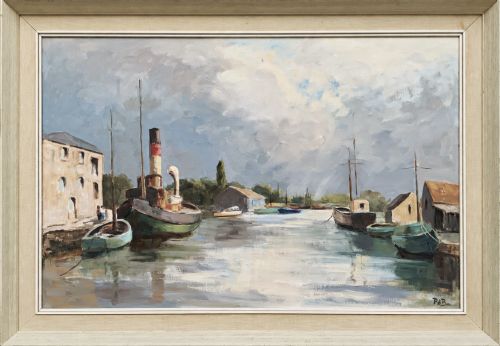
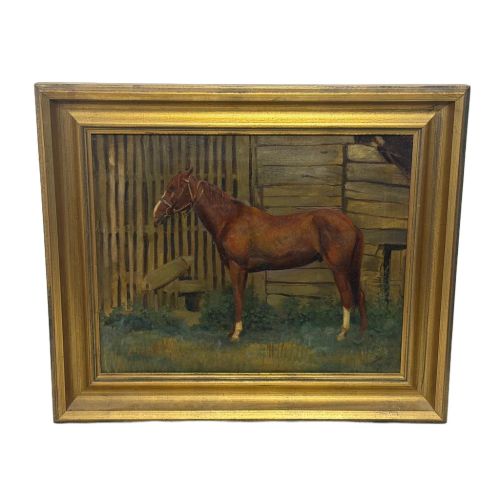
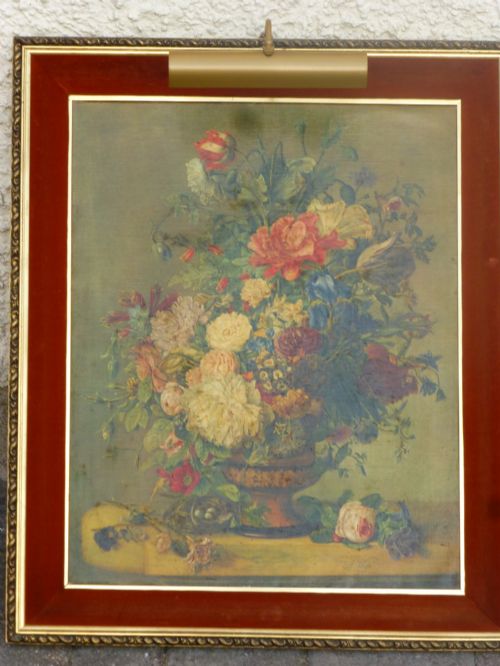
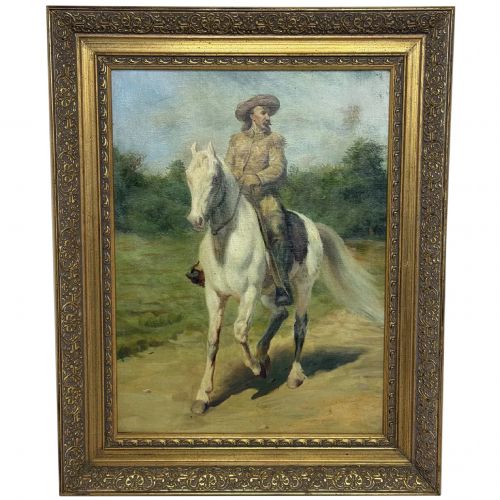
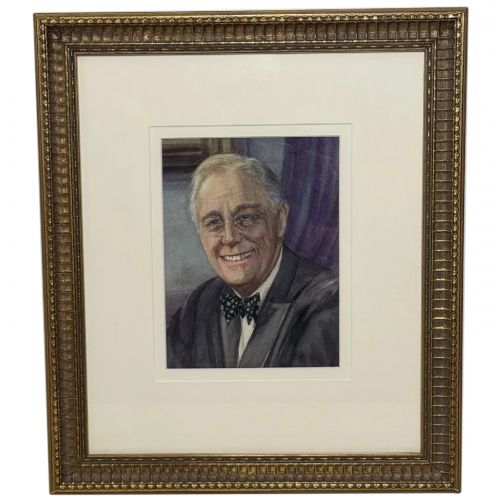
Mid century wall decor encompasses oil paintings, watercolours, prints, and wall plaques created primarily during the middle decades of the twentieth century. Buyers often encounter framed canvases depicting landscapes, portraits, and still life compositions from this era.
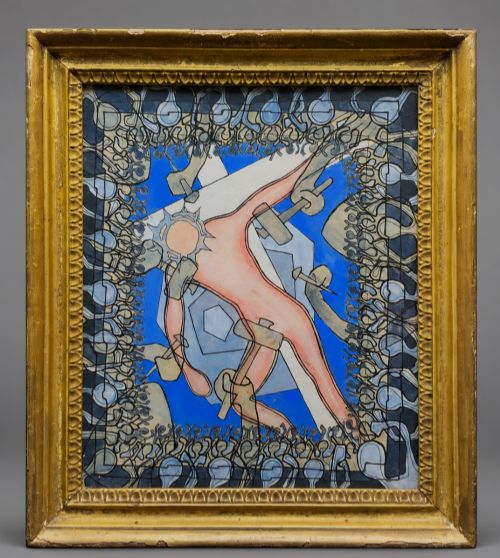
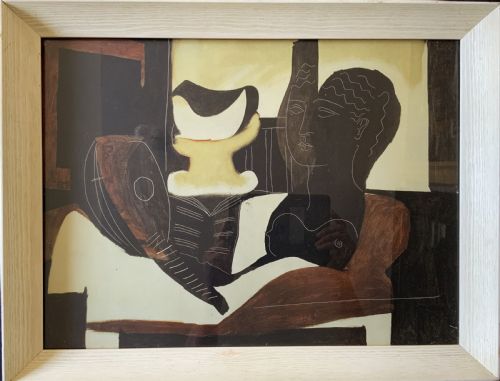
The selection ranges from expressive cityscapes and maritime scenes to decorative plates, brass signs, and textile panels. Works span mid-century modernism, impressionism, and realism alongside earlier Edwardian and nineteenth-century pieces.
These items offer a direct connection to period aesthetics, utilising varied materials to bring texture and colour to interior spaces. The assortment reflects diverse artistic movements, from St Ives School paintings to folk art and prints.
Materials and construction
Many pieces rely on oil paint applied to canvas, panel, or board, often featuring thick impasto brushwork that creates visible surface texture. Watercolours on paper and mixed media works also appear frequently across the selection.
Support materials include traditional wood framing, glass protection, and canvas stretched over wooden bars. Some items incorporate brass, gilt details, and woven plant fibres such as raffia.
Printing and reproduction techniques include abstract prints and framed art prints produced on paper surfaces. Brass signage and decorative ceramic plates demonstrate alternative manufacturing methods used for wall display.
Mid Century Wall Decor Retail Price Guide 2026
Typical asking prices for mid century wall decor among the pieces listed under this phrase on Sellingantiques today, from the lower quarter to the upper quarter. They describe what is for sale here now, not the wider market.
Circus animals, performing ballerinas, and boxing dogs appear alongside traditional landscapes, proving that twentieth-century walls welcomed unexpected guests.
Evaluating quality and execution
The strength of a composition and the confidence of the brushwork distinguish finer artworks from simpler decorative items. Masterful handling of light, shadow, and medium indicates a higher level of artistic skill.
The preservation of the original surface, paint layers, and framing contributes significantly to the integrity of the piece. Unaltered canvases and well-maintained paper works retain their original visual impact more successfully.
Attribution to documented artists or established schools of thought elevates historical interest. Pieces executed with distinct stylistic conviction demonstrate greater artistic achievement within their genre.
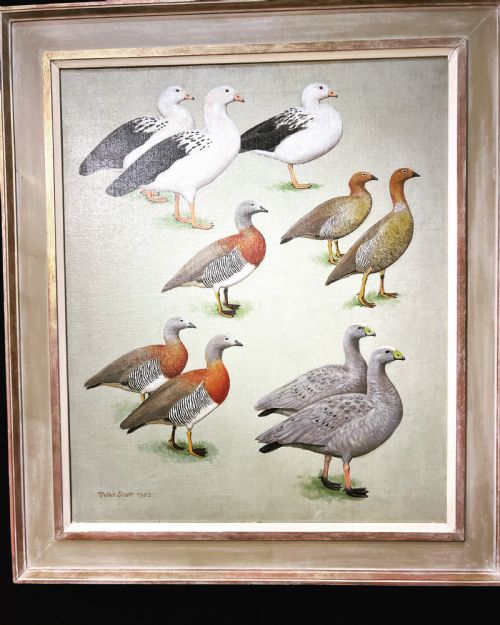
Sir Peter Markham Scott·Denis Mitchell·James Tower·Helen Layfield Bradley·Gabriel Dauchot·Dion Pears·George R Havelka
The Mid Century Wall Decor Glossary
- Impasto
- Paint applied thickly to a canvas or panel, standing out in relief from the surface. This technique allows the texture of the brushstrokes to catch the light and add physical depth to the image.
- Oleograph
- A mechanical colour print produced on canvas to imitate an oil painting. These pieces replicate the texture and appearance of genuine brushwork through specialised lithographic printing.
- Wall masque
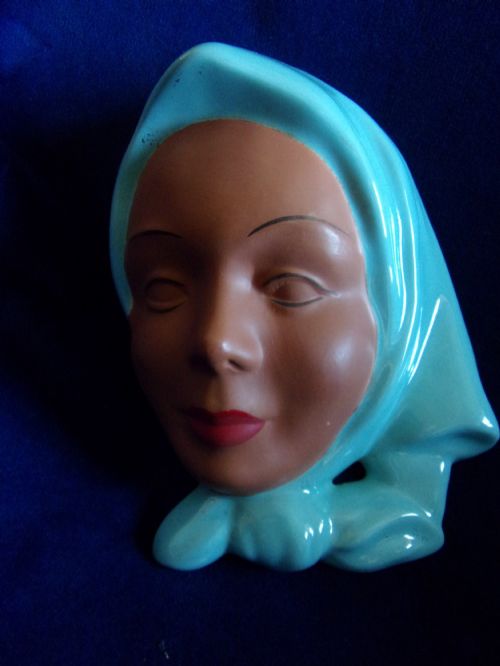
- A decorative sculptural mask designed for hanging on a wall. These ceramic or plaster items were popular in European decorative arts during the twentieth century.
- Gilt
- A thin layer of gold leaf or gold-coloured pigment applied to a surface. Frames and decorative objects often utilise this finish to enhance ornamental details.
- Gouache
- An opaque watercolour paint consisting of pigment mixed with a water-bound binder. It dries to a flat, matte finish that provides dense colour coverage.
Mid Century Wall Decor: Frequently Asked Questions
What defines mid-century wall art?
Mid-century wall art encompasses paintings, prints, and decorative objects produced roughly between the 1930s and 1960s. These works reflect the artistic movements and interior design preferences of that specific era.
The category includes oil paintings, watercolours, and abstract prints that capture the modernist and impressionist tendencies of mid-century creators.
How do I hang a heavy oil painting safely?
Hanging a heavy framed canvas requires securing fixings directly into wall studs or using heavy-duty wall anchors rated for the weight of the piece. Steel picture wire attached securely to sturdy D-rings distributes the load evenly.
Ensuring the hanging hardware matches the weight of the wooden frame and canvas prevents structural strain and keeps the artwork secure.
How should I clean antique canvas paintings?
Dusting a canvas should be done gently with a soft, dry brush to avoid disturbing the paint surface. Moisture and chemical cleaners can damage aged oil paint and canvas.
Professional conservators should handle deeper cleaning, varnish removal, or the repair of tears in canvas and board.
How do I identify the period of a painting?
Dating a painting involves examining the style, the materials used for the canvas and stretcher, and any signatures or framing details. Stylistic markers often point to specific decades like the 1940s or 1950s.
Exhibition labels, artist dates, and backing papers also provide helpful clues for determining the age of a piece.