







Mid Century Vanity
These pieces sold as a mid century vanity span mirrors, small desks, dressing chairs and silver boxes used for personal grooming.
Mid Century Vanity
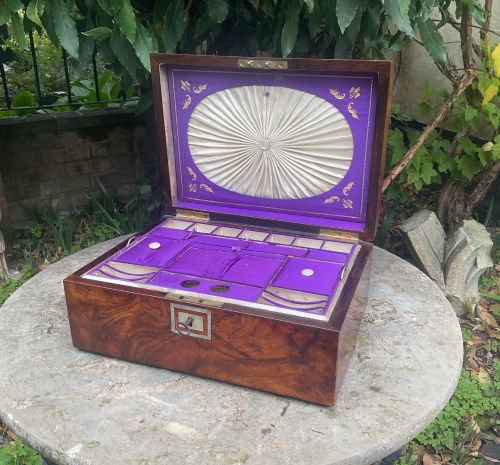
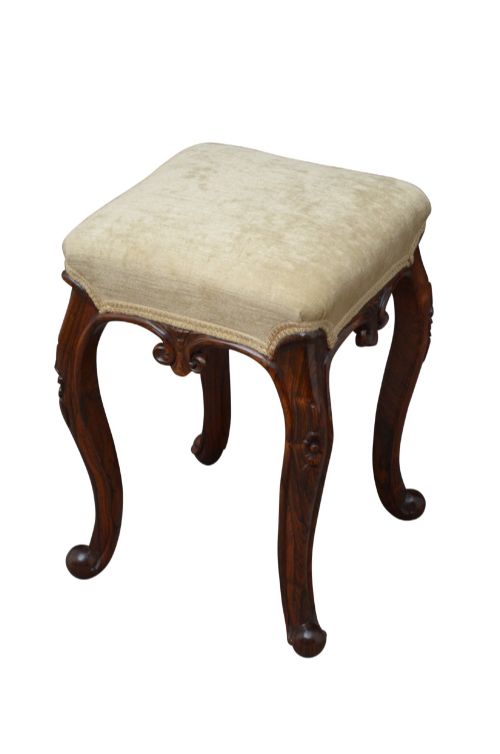
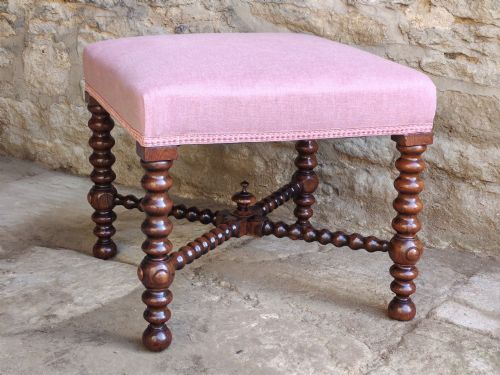
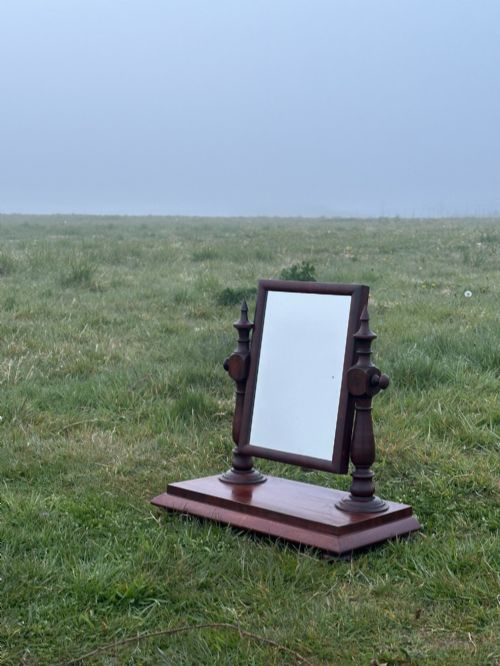
Buyers searching for a mid century vanity encounter a diverse group of objects associated with dressing and the boudoir, ranging from 19th-century mahogany dressing mirrors and satinwood dressing table mirrors to 1950s brass tri-fold mirrors and giltwood vanity screens. Seating is also prominent, including Victorian bedroom chairs, bobbin leg stools, burr maple stools, and French boudoir chairs designed for use at a dressing table.
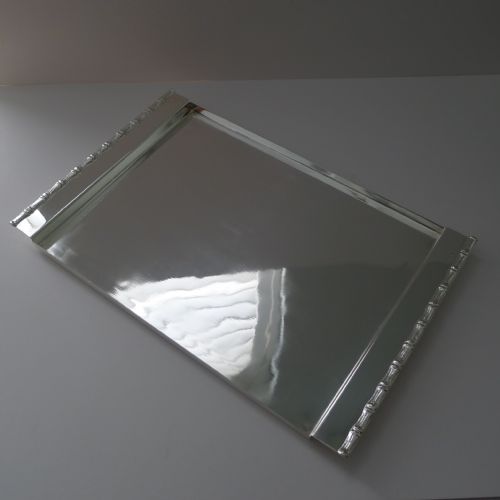
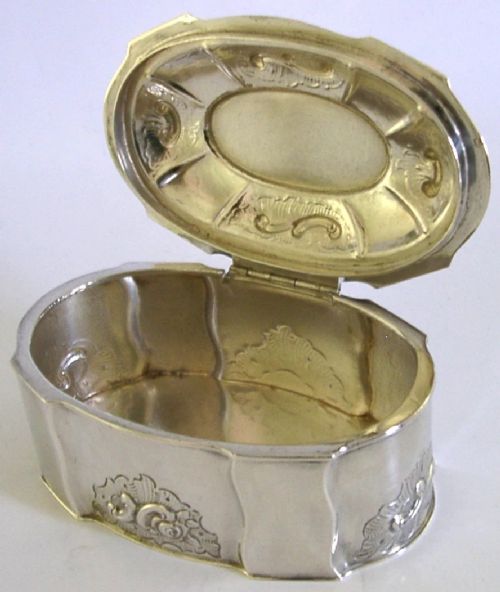
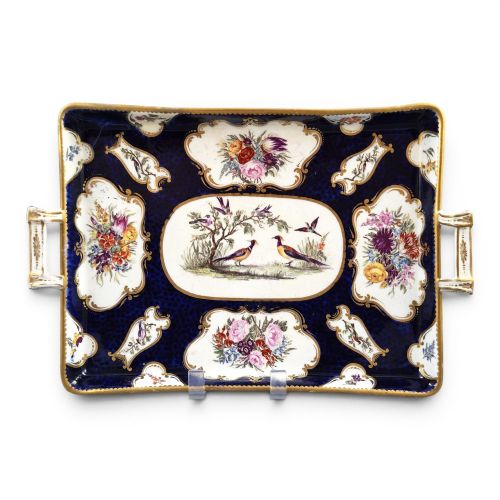
Smaller personal accessories frequently appear under this heading, such as sterling silver dressing table jewellery boxes, guilloche enamel scent bottles, Murrine glass perfume bottles, and silver boxes by makers like Cartier and Hermes. Desks and trays, including kneehole dressing tables and silver-plated trays, complete the selection of items related to personal preparation and grooming.
Materials and construction
The furniture pieces utilise timbers such as mahogany, walnut, satinwood, burr maple, birch, and goncalo Alves wood, often joined with traditional cabinet-making techniques and shaped with serpentine fronts or cabriole legs. Giltwood frames and carved details appear on mirrors and stools, alongside upholstery in fabric and velvet.
Smaller vanity items demonstrate precision metalwork and glass crafting, including solid sterling silver, silver plating, brass, white onyx, lapis lazuli, and Murano glass. Guilloche enamel and murrine techniques add decorative colour to scent bottles and boxes.
Mid Century Vanity Retail Price Guide 2026
Typical asking prices for mid century vanity among the pieces listed under this phrase on Sellingantiques today, from the lower quarter to the upper quarter. They describe what is for sale here now, not the wider market.
Materials in the listings range from sterling silver and glass to solid brass, mahogany, and giltwood.
Judging quality in vanity pieces
Quality in these items is determined by the crispness of the carving on wooden frames, the selection of figured veneers like burr maple or satinwood, and the weight and purity of metals such as solid sterling silver and brass. Maker attribution, whether through a stamp on a giltwood stool or a signature on a silver box, separates standard production from exceptional examples.
The preservation of delicate details, such as intact guilloche enamel on a scent bottle, clear murrine patterns in glass, and original upholstery fabric on a Victorian bedroom chair, distinguishes superior survivals from heavily altered or restored pieces.
Loidrault Freres Paris·Franchini And Bigaglia·Mappin And Webb·Cartier London·Hermes
The Mid Century Vanity Glossary
- Guilloche enamel
- A decorative mechanical engraving technique covered with translucent enamel, frequently found on 20th-century silver boxes and scent bottles. This method creates repeating geometric patterns beneath coloured glass layers.
- Kneehole desk
- A small writing or dressing table featuring a central recess for the knees flanked by pedestals of drawers. These pieces often date to the 18th century in mahogany or walnut.
- Murrine
- Coloured patterns made in glass by stretching glass canes into rods, slicing them crosswise, and fusing them together. This technique appears in mid-19th-century Italian perfume bottles.
- Tri-fold mirror
- A mirror with three hinged panels that allow the user to see angles from the side. Examples range from 19th-century giltwood screens to 1950s brass table mirrors.
- Goncalo Alves
- A dense exotic hardwood with striking dark brown and golden-brown figuring, utilised for Victorian dressing table furniture such as cabriole leg stools.
Mid Century Vanity: Frequently Asked Questions
What is a kneehole dressing table?
A kneehole dressing table is a compact desk featuring a central leg space with banks of small drawers on either side.
These items provide surface space for mirrors and grooming equipment while offering concealed storage for personal items.
How do I use a vanity screen?
A vanity screen is a multi-panel folding glass or framed screen historically placed on a table to block drafts or adjust light.
In a modern interior, they function as decorative tabletop mirrors or decorative accents on dressing chests.
What are boudoir chairs?
Boudoir chairs are small, low-seated upholstered chairs designed for a bedroom or dressing room rather than a formal living space.
They offer comfortable seating for grooming routines while occupying minimal floor space due to their compact proportions.
How do I distinguish 19th century mirrors?
Nineteenth-century mirrors often feature heavy timber frames in mahogany, walnut, or carved giltwood with hand-beveled glass plates.
Backboards, fixings, and secondary woods on the reverse provide physical evidence of period construction methods.