



Mid Century Spoons
Mid century spoons bring functional elegance to the table, uniting practical utility with sleek twentieth century design.
Mid Century Spoons
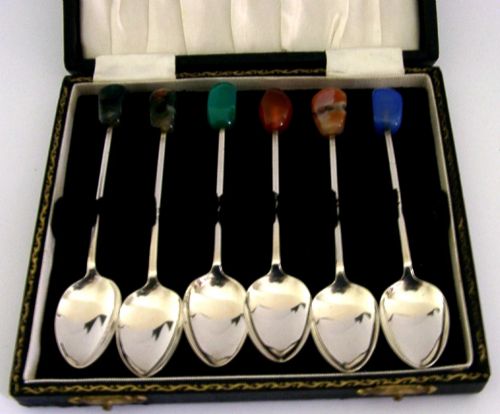
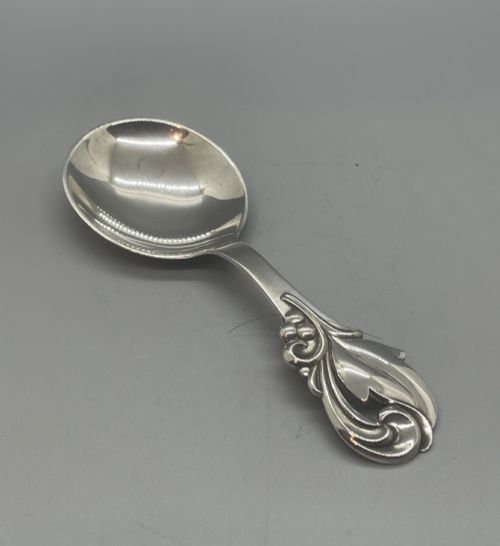
Mid century spoons encompass various functional serving and eating utensils created during the central decades of the twentieth century. These items include delicate coffee spoons, specialist caddy spoons for loose tea, and larger serving pieces shaped by mid century modern design sensibilities.
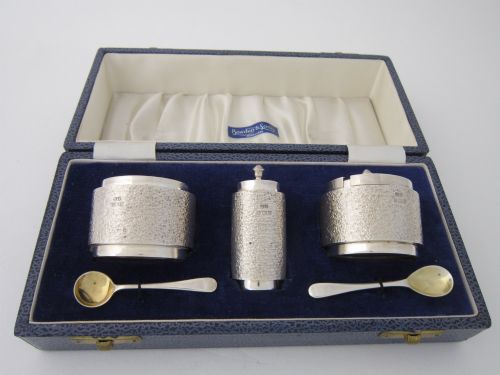
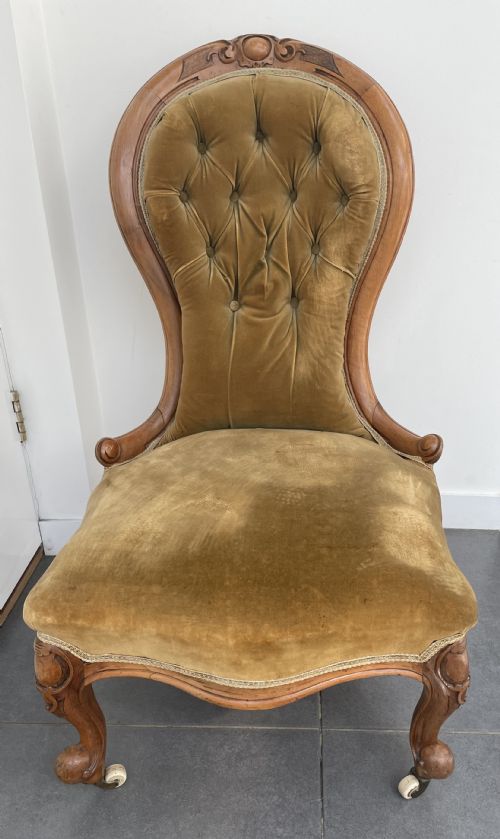
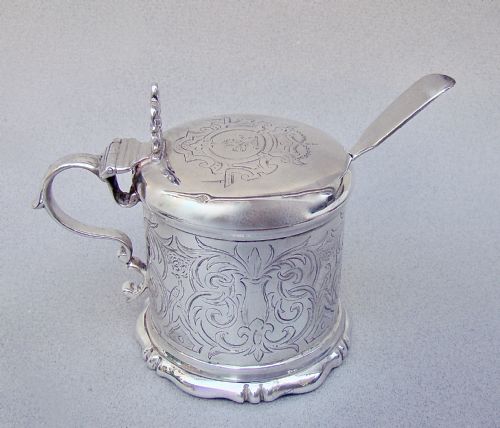
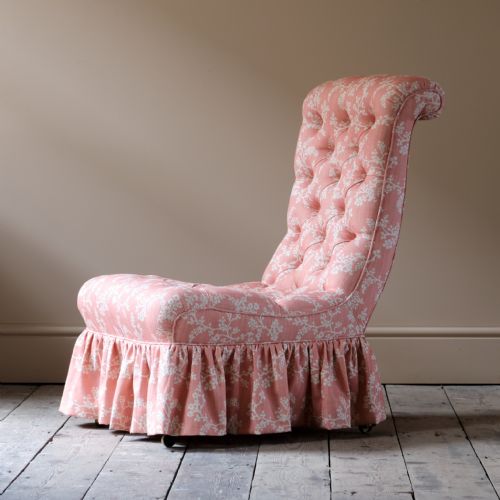
While the search points firmly to the mid twentieth century, the actual offerings span widely from the eighteenth century up to the 1960s. Alongside dedicated twentieth century pieces, buyers encounter earlier silver items and occasional seating items that happen to share descriptive terminology.
Materials and construction
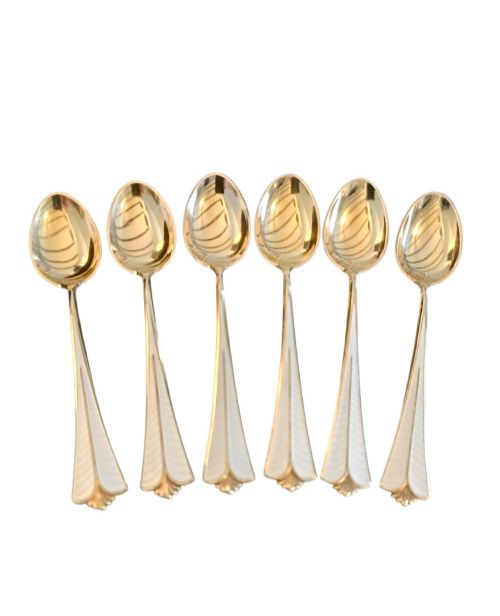
Sterling silver and silver plate provide the primary metallic structure for these eating and serving utensils. Silversmiths shape the bowls and handles through traditional hammering and casting methods, occasionally applying gold gilt layers for a richer finish.
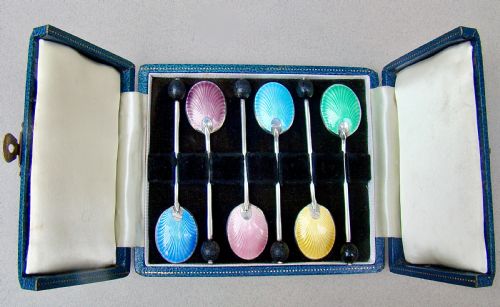
Enamel work frequently enhances the metallic surfaces, particularly on Scandinavian designs from the mid twentieth century. Skilled artisans fuse coloured glass powder to the silver base at high temperatures, creating vibrant geometric or floral patterns.
Mid Century Spoons Retail Price Guide 2026
Typical asking prices for mid century spoons among the pieces listed under this phrase on Sellingantiques today, from the lower quarter to the upper quarter. They describe what is for sale here now, not the wider market.
Listings span periods from the eighteenth century to the 1960s, incorporating materials such as sterling silver, enamel, and walnut.
Distinctions in craftsmanship
Quality separates pieces through the precision of the silversmith's hand and the clarity of maker marks. Superior items display crisp hallmarks, balanced weight in the hand, and cleanly executed bowls without thinning metal.
For enamelled examples, the integrity of the glass surface dictates the standard. Expert application ensures smooth fusion without cracking, whereas lesser pieces show uneven thickness or surface pitting.
David Andersen·Georg Jensen·Charles and George Fox·Gillows·Christofle
The Mid Century Spoons Glossary
- Caddy spoon
- A short-handled spoon specifically designed for measuring loose tea leaves from a caddy. These pieces often feature decorative bowls shaped like leaves or scallop shells.
- Coffee spoon
- A miniature spoon intended for stirring demitasse cups of coffee. They frequently appear in matched sets of six.
- Silver-gilt
- Silver that has been coated with a thin layer of gold on its surface. This technique provides the warm appearance of solid gold while utilising a silver base.
- Hallmark
- An official stamp applied to precious metals indicating the standard of purity, the maker, and the year of assay. These marks provide a reliable anchor for dating an antique piece.
Mid Century Spoons: Frequently Asked Questions
How do I care for silver spoons?
Clean sterling silver spoons gently using a soft cloth and specialised silver polish to remove tarnish without scratching the metal. Avoid abrasive pads and dishwasher cycles, which can ruin delicate finishes and enamel work.
Store the utensils in anti-tarnish rolls or dry drawers when not in use. Regular handling and gentle washing prevent deep tarnish accumulation.
Can I use antique spoons daily?
Most solid silver and silver-plated spoons remain entirely sturdy enough for everyday dining and serving use. Robust construction means they withstand regular handling if washed by hand promptly after meals.
Enamelled or gilt pieces require greater care to protect decorative surfaces from chipping. Reserve these delicate examples for special occasions or display purposes.
What is a caddy spoon used for?
A caddy spoon serves to scoop loose tea leaves from a storage caddy into a teapot. Their compact handles and wide bowls were specifically proportioned for tea caddies.
Collectors prize them for their variety of imaginative shapes, including jockey caps, flowers, and shells. They represent a distinct collecting subcategory within flatware.
How do I read silver hallmarks?
Hallmarks consist of a series of small stamped symbols indicating the maker, the assay office, and the purity standard of the metal. A date letter often appears alongside these marks to pinpoint the exact year of manufacture.
Reference books and online guides help match specific punch marks to historical silversmiths. These tiny stamps guarantee the authenticity and age of the object.