

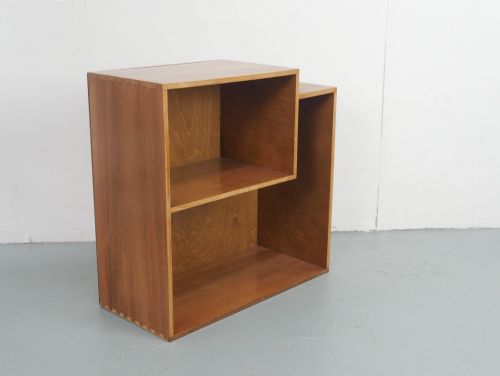
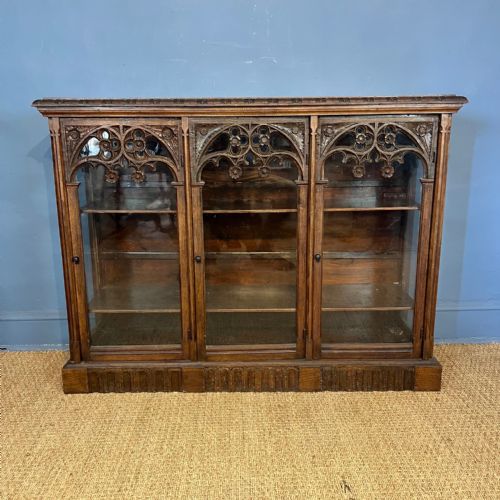
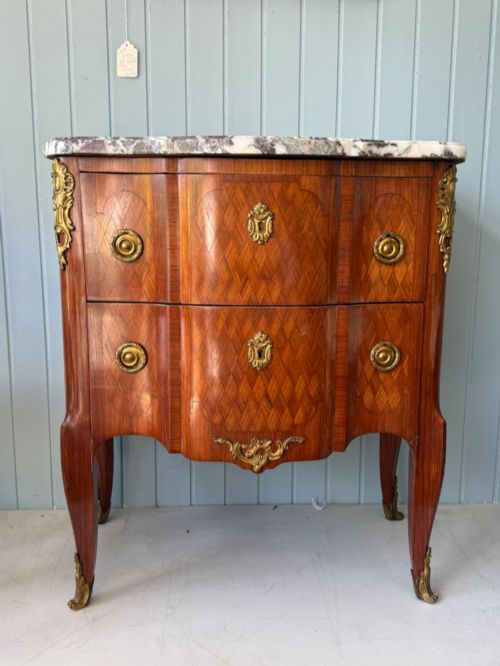
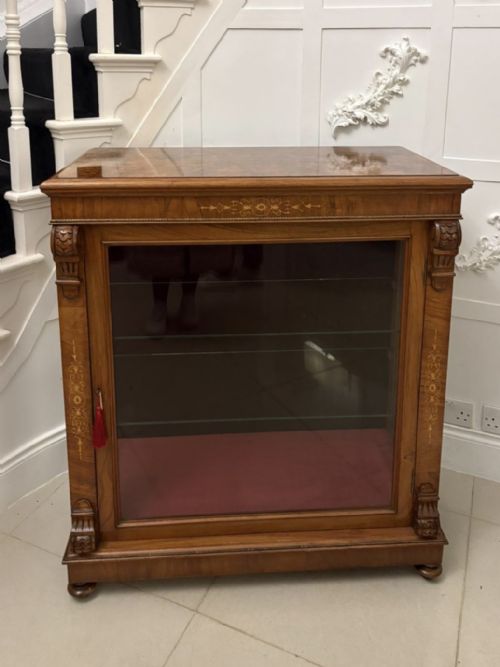


Mid Century Side Cabinet
A mid century side cabinet brings solid timber and considered storage to a room, offering a practical surface and enclosed space that suits everyday modern living.
Mid Century Side Cabinet
When you search for a mid century side cabinet, you encounter a varied selection of timber furniture spanning multiple eras rather than a single uniform style. The pieces listed under this phrase encompass diverse forms, from nineteenth-century rosewood and mahogany cupboards to carved oak and walnut examples.
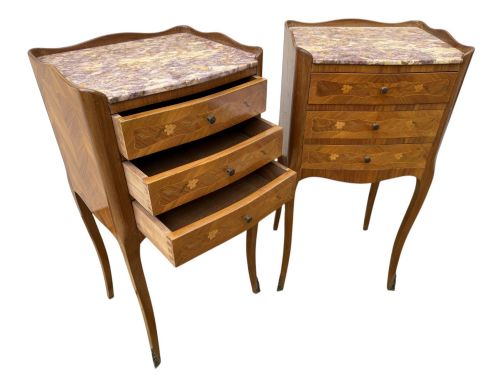
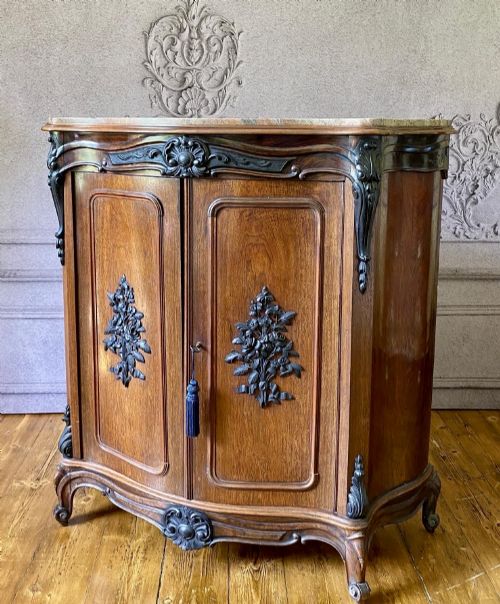
The objects take several practical shapes, including two-door side cabinets, pedestal cupboards, press cupboards, commodes, and display cabinets. Buyers find both British and French origins across these items, reflecting differing cabinet-making traditions from the seventeenth century through to the Edwardian period.
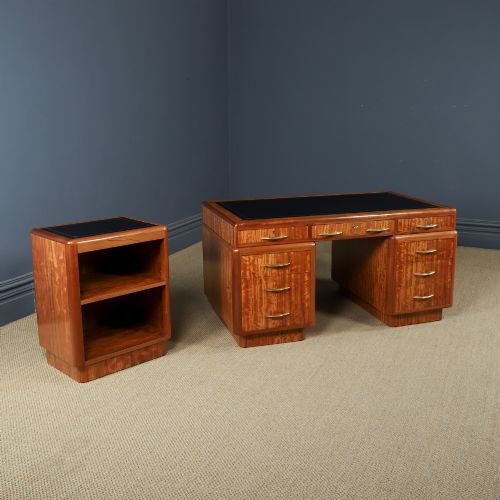
While the phrase suggests the mid-twentieth century, the actual selection on this page leans heavily towards nineteenth-century craftsmanship alongside earlier seventeenth and eighteenth-century items. Buyers are most likely to meet mahogany, rosewood, and oak timbers fashioned into functional storage units.
How they were made
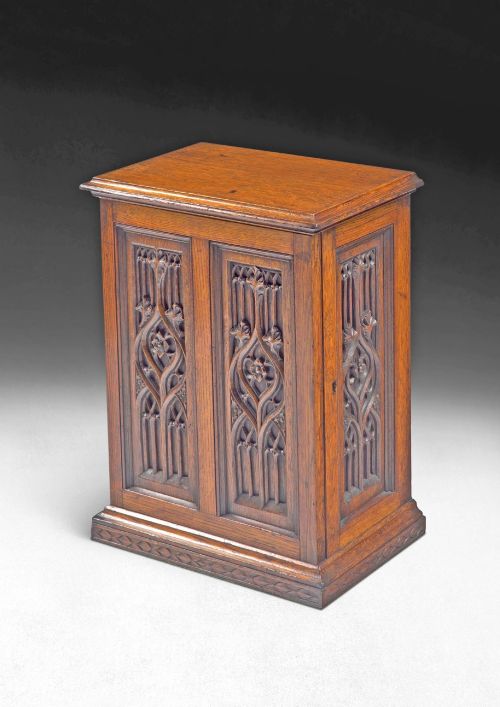
Makers utilised dense hardwoods such as mahogany, rosewood, walnut, and pollard oak as the primary structural and visual foundations for these cabinets. Selected timbers often featured flame mahogany veneer or intricate inlay work to create patterned surfaces on the doors and panels.
Metal and stone elements provided functional and decorative contrast, with brass hardware such as bindings and handles appearing alongside polished marble tops. Carving and turning techniques shaped the solid oak and walnut frames of earlier cupboards and desks.
Mid Century Side Cabinet Retail Price Guide 2026
Typical asking prices for mid century side cabinet among the pieces listed under this phrase on Sellingantiques today, from the lower quarter to the upper quarter. They describe what is for sale here now, not the wider market.
Object forms represented here range from French commodes and display cabinets to press cupboards, pedestal cupboards, and Davenport desks.
What varies in quality
The standard of timber selection and preparation dictates the visual impact of each cabinet, separating plain construction from richly figured flame mahogany, pollard oak, or figured rosewood. Superior pieces display book-matched veneers and precise grain alignment across doors and drawers.
Integration of secondary materials reveals the level of care taken by the maker, demonstrated by heavy marble tops fitted cleanly to commodes or quality brass mounts secured firmly to cabinet bodies. The execution of carved details on older oak pieces also marks the difference between standard workshop production and finer craftsmanship.
Heals
The Mid Century Side Cabinet Glossary
- Commode
- A low French chest of drawers or cabinet with doors, frequently topped with marble. These pieces served primarily in bedrooms and reception rooms.
- Flame mahogany
- A veneer cut from the fork of the mahogany tree, producing a distinctive flickering flame pattern. Cabinet-makers prized this timber for principal display surfaces.
- Press cupboard
- A heavy storage piece featuring upper and lower compartments enclosed by panelled doors. Seventeenth-century examples often display deep carved decoration.
- Pedestal cupboard
- A single-door cabinet built with a column or pedestal proportion, designed to stand against a wall or beside other furniture. They utilise timbers such as mahogany and rosewood.
- Pollard oak
- Timber taken from trees that were pollarded, creating a gnarled grain full of knots and swirls. This figured wood was utilised for striking decorative veneers on nineteenth-century desks and cabinets.
Mid Century Side Cabinet: Frequently Asked Questions
What is a side cabinet used for?
A side cabinet provides enclosed storage space for tableware, linens, or household items while offering a surface for lamps or decorative objects. Their compact footprint allows them to sit comfortably in hallways, dining rooms, and sitting rooms.
Historically, specific variations such as pedestal cupboards or press cupboards held books, papers, or specific provisions. Today, buyers use them to introduce practical storage without dominating the floor plan of a modern room.
How do I identify a nineteenth-century cabinet?
Nineteenth-century cabinets often feature dark dense timbers like rosewood and flame mahogany, frequently accented with brass mounts or marble tops. Construction methods from this era include hand-cut dovetails and solid timber secondary woods.
Examining the interior construction and backboards helps reveal the period, as machine-sawn timber and Phillips screws typically indicate later alterations or manufacture. Stylistic clues such as French commode proportions or Victorian pedestal designs also point to the nineteenth century.
Where should I place a side cabinet?
These cabinets suit rooms requiring both surface display space and concealed storage, such as hallways, living rooms, or dining areas. Their proportions allow them to anchor an empty wall or sit beneath a mirror or artwork.
Because timbers like rosewood and mahogany can react to direct sunlight or strong heat sources, positioning the cabinet away from radiators and unshaded windows preserves the finish and veneer.
How do I care for antique timber cabinets?
Maintaining antique timber involves keeping the surface clean with a soft dry cloth and avoiding silicone-based polishes or harsh chemical sprays. Natural beeswax applied sparingly helps nourish older wood without building up a heavy residue.
Stable room humidity and temperature prevent the solid woods and veneers from shrinking, expanding, or cracking over time. Regular gentle dusting is usually sufficient to maintain the polished finish of mahogany, walnut, and oak.