


Mid Century Sculpture
Mid century sculpture encompasses diverse three-dimensional works spanning various materials and historical periods found in current offerings.
Mid Century Sculpture
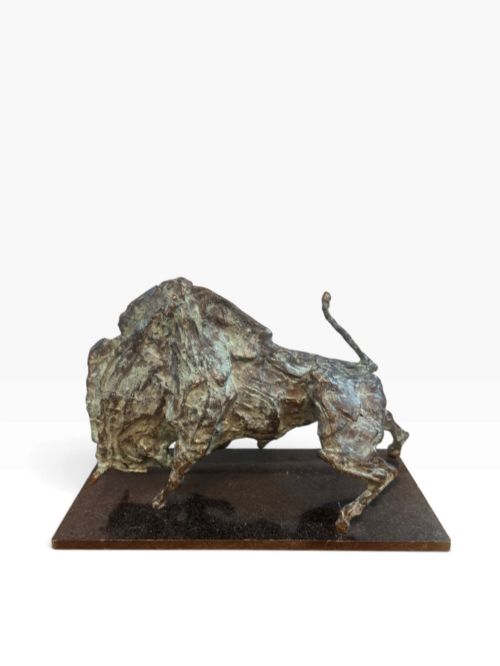
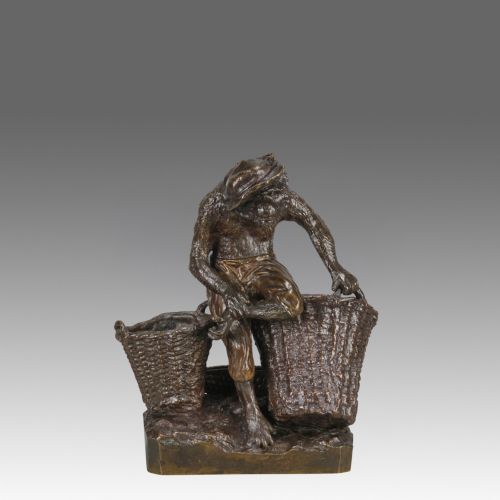
Mid century sculpture covers a broad selection of three-dimensional art pieces, ranging from nineteenth-century classical busts and French animalier bronzes to twentieth-century carved wooden animals and brass figures. Buyers searching for mid century sculpture encounter works originating from diverse stylistic movements, including Art Deco, Neoclassical, and Mid-Century Modern designs.
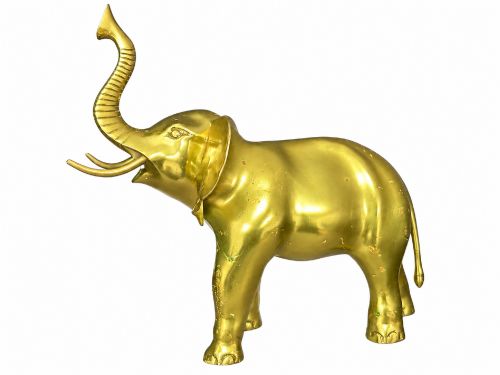
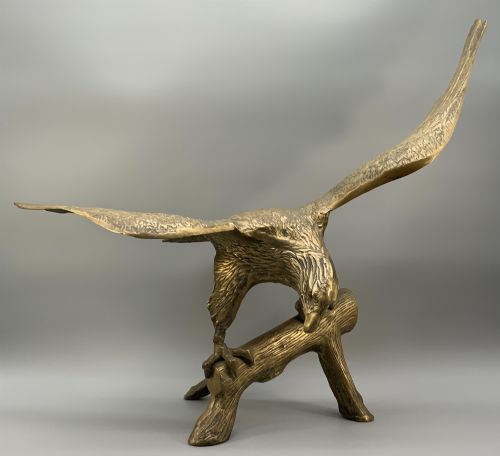
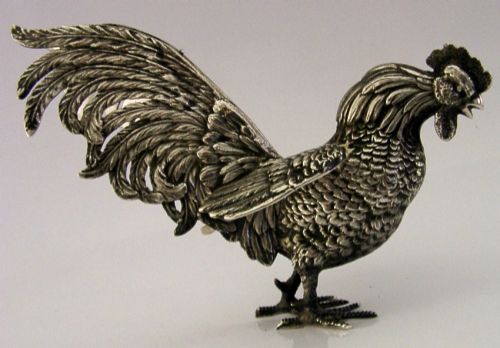
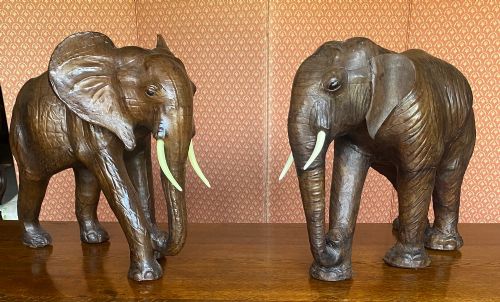
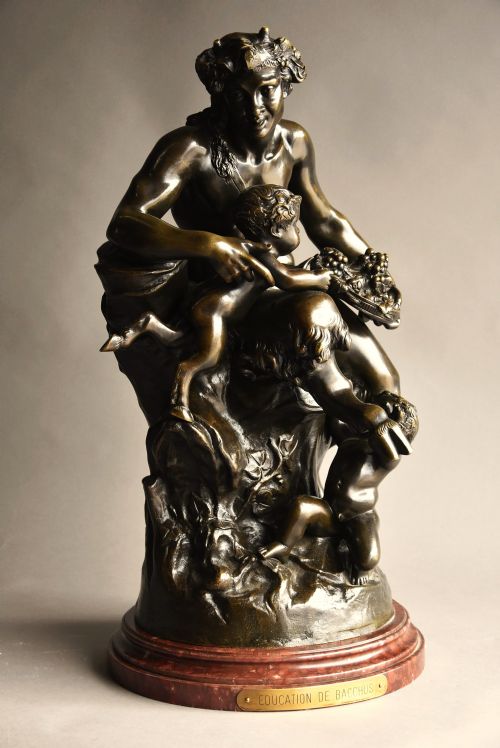
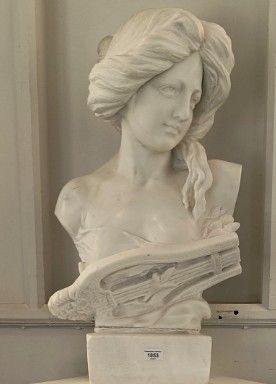
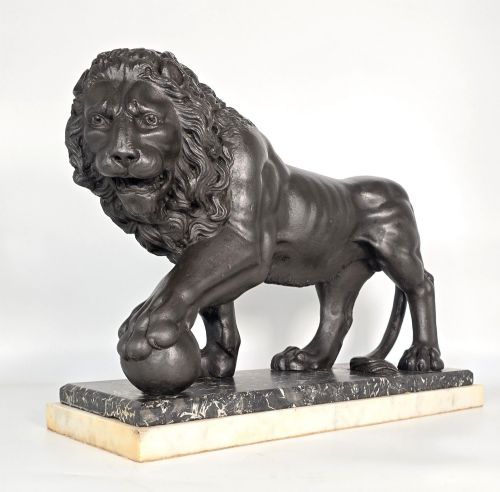
The objects available include animal figures, human busts, mythological groups, and carved ornaments. Common forms feature bronze lions, leather elephants, wooden panthers, and marble statues mounted upon plinths.
Originating from workshops and makers across Europe and beyond, these sculptures utilise materials such as cast bronze, carved hardwood, marble, leather, and brass. The selection reflects both traditional nineteenth-century craftsmanship and twentieth-century stylistic developments.
How They Were Made
Metals such as bronze and brass were cast utilising traditional techniques, often resulting in patinated finishes or polished surfaces. Sculptors also worked directly with natural materials, hand-carving hardwood, boxwood, and yew wood into detailed animal and human forms.
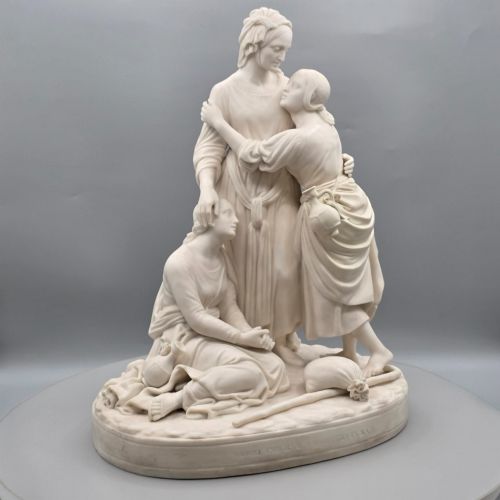
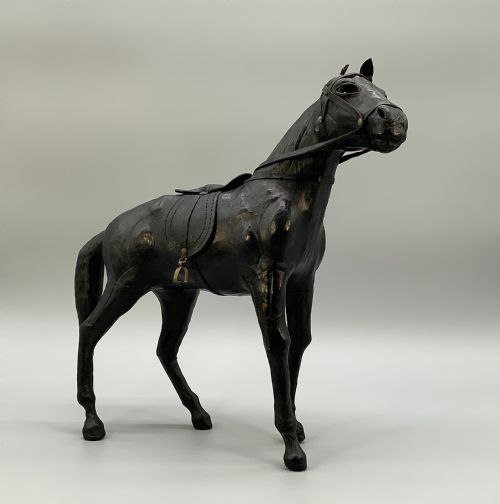
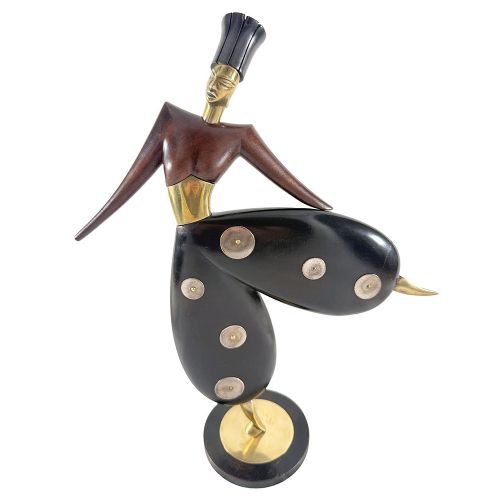
Other pieces incorporate moulded porcelain, plaster, and Staffordshire pottery, alongside assembled components combining carved wood with brass detailing. Leather sculptures were constructed over supportive structures, as seen in animal-shaped desk ornaments and footstools.
Mid Century Sculpture Retail Price Guide 2026
Typical asking prices for mid century sculpture among the pieces listed under this phrase on Sellingantiques today, from the lower quarter to the upper quarter. They describe what is for sale here now, not the wider market.
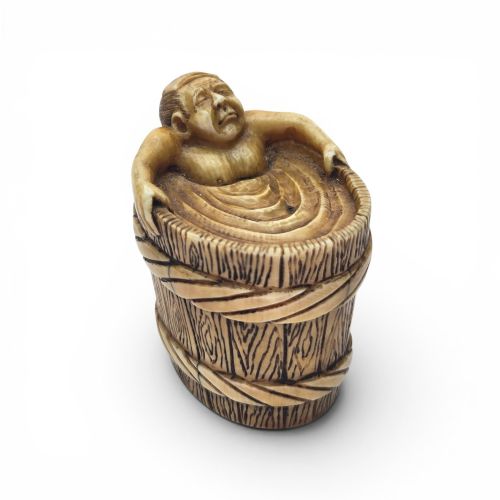
Stag antler was carved into miniature toads during the Edo period.
What Varies in Quality
Materials influence the character of the piece, with dense marbles, patinated bronzes, and carefully selected hardwoods retaining crisp definitions. The integration of mixed media, such as wood combined with brass or leather applied over frames, distinguishes standard items from more ambitious designs.
Christophe Fratin·P J Mêne·Antoine Louis Barye·Thomas Parr·Laszlo Hoenig
The Mid Century Sculpture Glossary
- Animalier
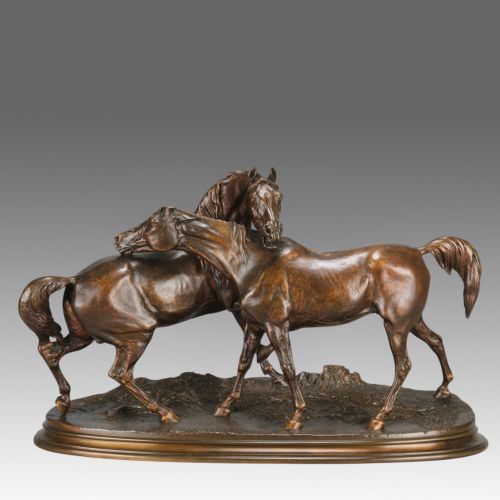
- A nineteenth-century artistic movement focusing on the realistic depiction of animals, particularly predators, horses, and livestock. Artists in this tradition frequently cast their studies in bronze.
- Grand Tour
- A traditional trip through Europe undertaken by upper-class young men in the eighteenth and nineteenth centuries to collect cultural artefacts. Souvenirs from these travels often included miniature bronze figures and classical architectural studies.
- Netsuke
- A small Japanese toggle carved from boxwood or stag antler, traditionally used to secure personal pouches worn on kimonos. These pieces display intricate miniature carving from the Edo period and later.
- Parian
- A fine-grained, unglazed porcelain resembling white marble, developed in the nineteenth century for producing miniature statues and sculptural groups. Minton was a notable producer of these figures.
- Verde Antico
- A dark green serpentine marble historically utilised for classical columns, plinths, and architectural decoration. It provides a contrasting dark mount for bronze sculptures.
Mid Century Sculpture: Frequently Asked Questions
What is an animalier bronze sculpture?
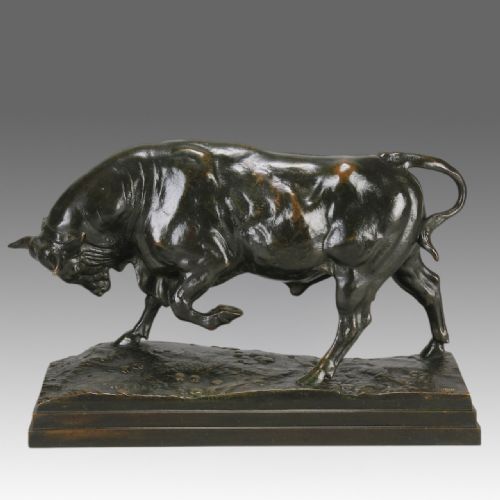
Animalier bronze sculptures are nineteenth-century realistic studies of animals, capturing creatures such as lions, bulls, and greyhounds in naturalistic poses. French sculptors frequently produced these works using lost-wax casting methods.
Collectors prize these figures for their anatomical precision and the quality of their patinated bronze surfaces.
How are nineteenth century grand tour bronzes identified?
Grand tour bronzes are small souvenir studies of classical figures, charioteers, or architectural monuments acquired during European travels in the nineteenth century. They are typically mounted upon white marble plinths.
These pieces reflect classical antiquity and served as decorative desk ornaments for collectors.
What materials were used for vintage leather animals?
Vintage leather animal sculptures utilise stitched leather fitted over rigid internal structures to form decorative ornaments and footstools. Makers such as the Omersa workshop produced pigs, rhinos, and elephants using this technique.
Over time, the leather develops a warm patina through handling and natural ageing.
How do you date a carved wooden sculpture?
Dating carved wooden sculptures involves examining the wood species, tool marks, and stylistic indicators associated with periods like Art Deco or the nineteenth century. Oak, yew, boxwood, and hardwood were shaped into figures ranging from religious studies to stylised panthers and dancers.
Surface treatment and evidence of historical wear help distinguish the era of manufacture.