

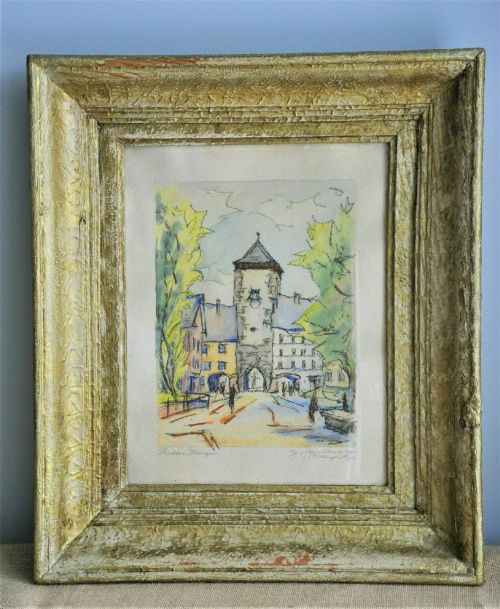
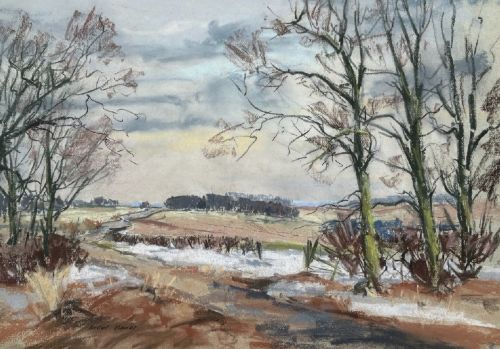
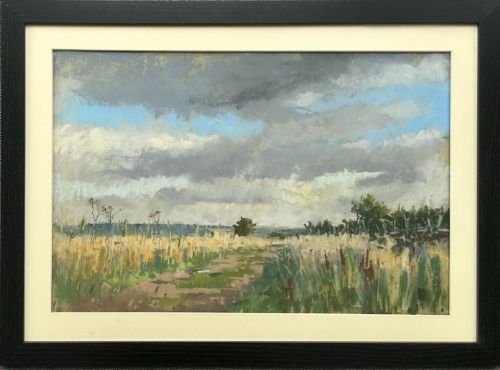
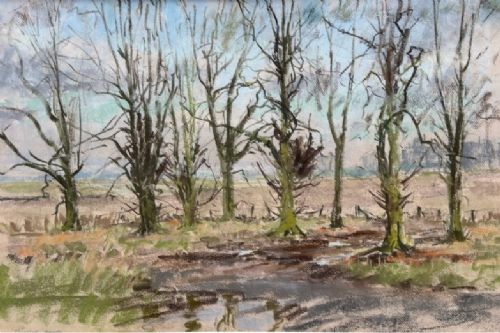
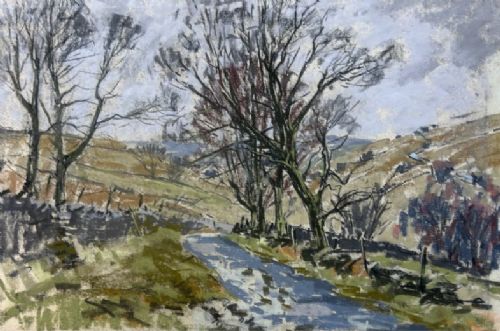
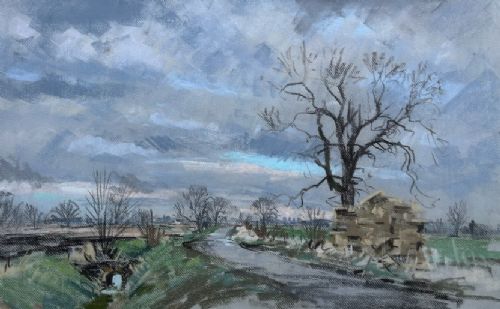
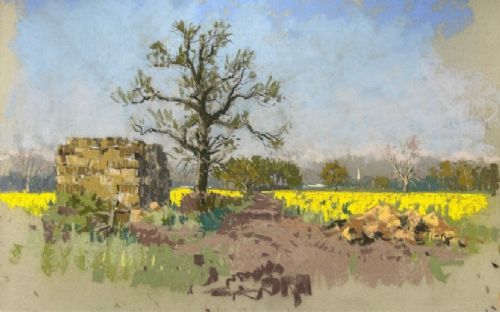
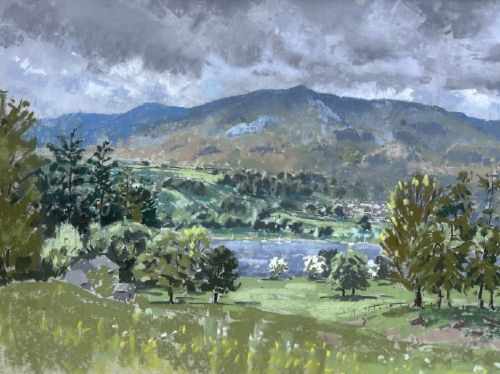
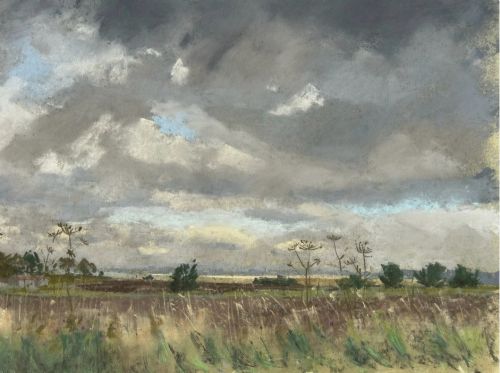
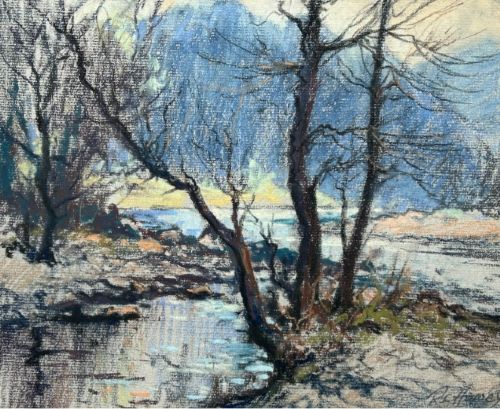


Mid Century Pastel Landscape
A mid century pastel landscape captures the quiet tones of open countryside through chalk and paper.
Mid Century Pastel Landscape
A mid century pastel landscape brings soft rural scenes into a room through delicate pigment on paper. These original works record regional British views, from Yorkshire dales and snow scenes to Cornish harbours, rendered during the middle decades of the twentieth century. Pastel drawings capture atmospheric light and weather across open terrain with direct chalk marks.
The works on this page frequently date from the mid twentieth century, with examples spanning from the nineteen-forties to nineteen-sixties alongside Edwardian material. Common formats include framed original drawings and paintings executed on paper or canvas using pastel, chalk, and oil paint. Subjects concentrate on British and European topography, emphasising local topography and seasonal weather.
Collectors encounter works associated with recognised regional artists alongside unsigned twentieth century school pieces. Each composition relies on the inherent softness of pastel and chalk materials to describe trees, water, and hillsides. The framing under glass protects the delicate pigment surfaces from disturbance.
Materials and technique
Artists apply pastel and chalk directly onto paper supports to build up textured colour fields for each landscape. The dry pigment adheres to the paper grain through layered application, allowing rapid sketching of clouds, hills, and stone walls. Wood frames and glass glazing protect the fragile chalk surfaces from smudging and environmental moisture.
Alternative works employ oil paint on canvas or paper to achieve similar landscape effects with heavier pigment layers. The combination of chalk and pastel marks creates immediate textural contrast against smoother paper backgrounds. Studio portfolios preserve these works in original mountings that reflect mid twentieth century framing customs.
Several Yorkshire winter snow scenes arrive directly from artist studio portfolios containing decades of previously unseen pastoral views.
Judging quality in pastel works
Quality rests upon the artist's handling of light and atmospheric depth across the paper surface. Stronger examples display confident chalk strokes that define topography without excessive blending, maintaining vibrancy in the pastel pigment. The precision of regional observation, such as specific Yorkshire or Cornish locations, elevates the visual interest of the composition.
The condition of the paper and the preservation of the delicate chalk surface dictate the enduring appeal of each piece. Intact original framing under glass protects the fragile medium from degradation over decades. Provenance from documented studio portfolios adds historical weight to individual drawings.
Angus Rands·Robert Leslie Howey·Gyrth Russell·John Hobson Nicholson
The Mid Century Pastel Landscape Glossary
- Pastel
- A dry painting medium consisting of powdered pigment and a binder. It produces velvety colour fields that require glass protection.
- Chalk
- A soft, earthy limestone material utilised for preliminary sketching or primary drawing marks. It contributes linear definition beneath pastel layers.
- Gouache
- An opaque water-based paint sometimes combined with pastel to heighten light effects on paper. It offers dense coverage for highlights.
- Post-Impressionism
- An art movement extending beyond impressionist methods towards bolder colour and expressive forms. This approach influences mid twentieth century British landscape painting.
- Studio portfolio
- A collection of works retained by the artist or their estate rather than exhibited immediately. These groups often preserve previously unseen landscape studies.
Mid Century Pastel Landscape: Frequently Asked Questions
What is a pastel landscape?
A pastel landscape is an artwork created using dry pigment sticks on paper to depict rural scenery, coastal views, or regional geography.
The medium allows artists to capture subtle shifts in weather, light, and colour through soft chalk marks.
How should I frame pastel art?
Pastel drawings require framing under glass with a mount or spacer to prevent the glass from touching the delicate pigment surface.
This separation stops condensation from lifting the chalk particles off the paper over time.
Where were these landscapes made?
These works record scenes across British and European locations, including Yorkshire dales, Cumbrian waters, Cornish harbours, and French coastal towns.
Artists typically worked outdoors or from studio portfolios based on direct topographical observation.
How do I identify mid century style?
Mid century style in these landscapes appears through simplified forms, expressive brush or chalk work, and muted or tonal palettes characteristic of twentieth century British art.
The compositions reflect modern interpretations of traditional countryside and coastal subjects.