

Mid Century Oak
When you search for mid century oak, you uncover sturdy furniture and objects spanning multiple centuries, valued for honest grain and enduring strength.
Mid Century Oak
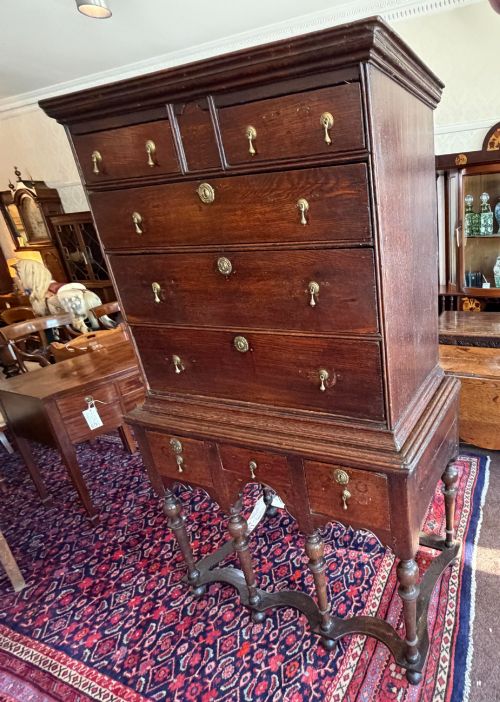
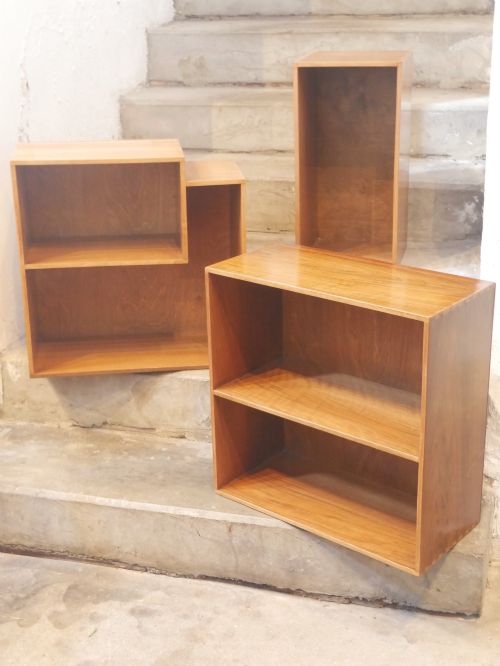
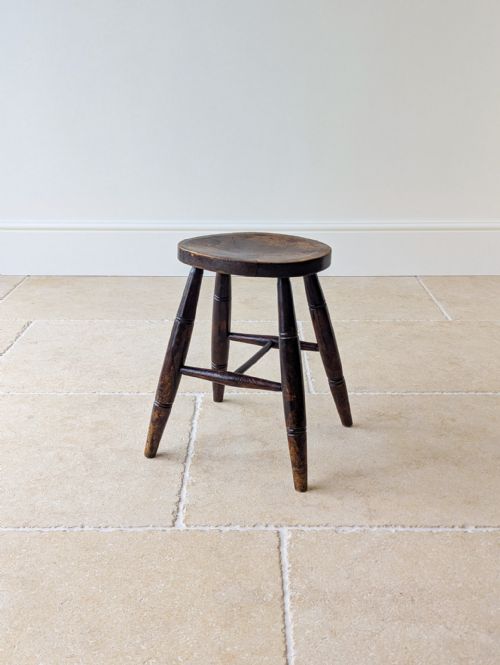
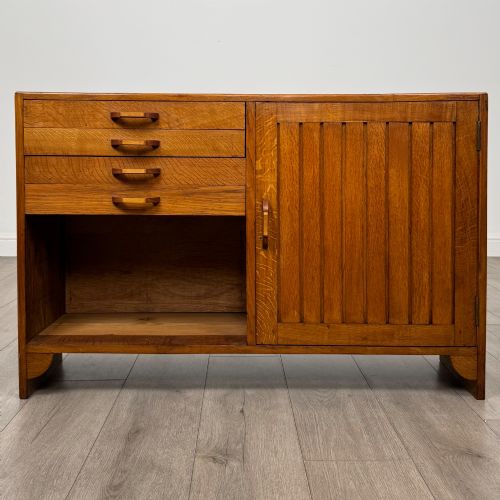
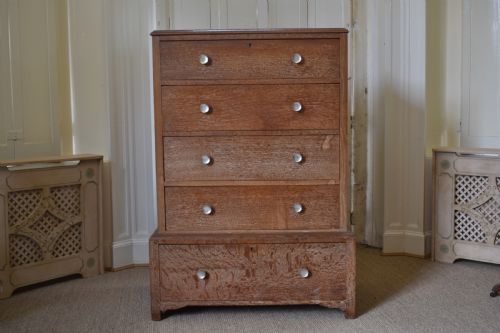
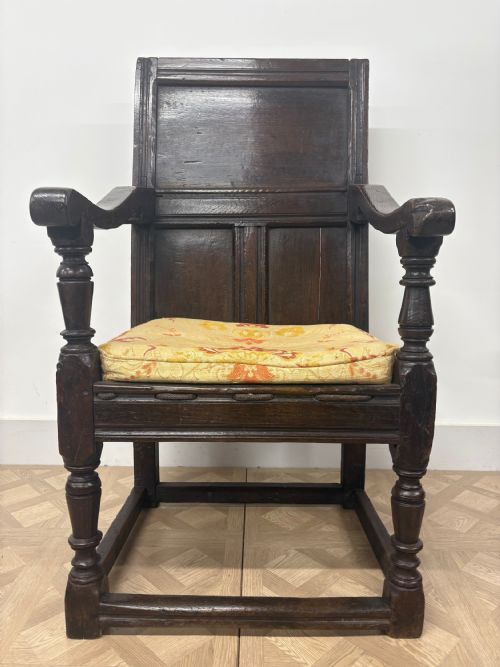
Mid century oak encompasses a surprisingly broad historical span in these records, stretching from seventeenth-century wainscot armchairs and joint stools to twentieth-century filing cabinets, bookcases, and sideboards.
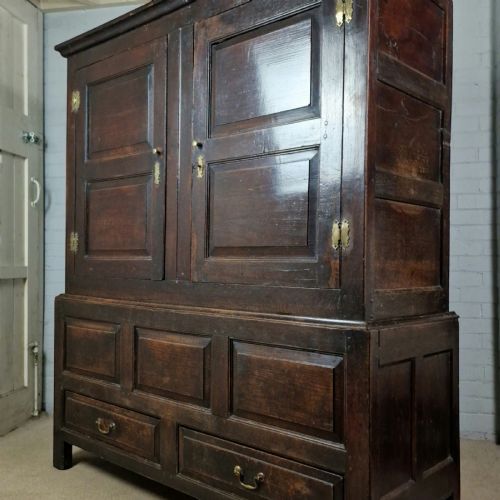
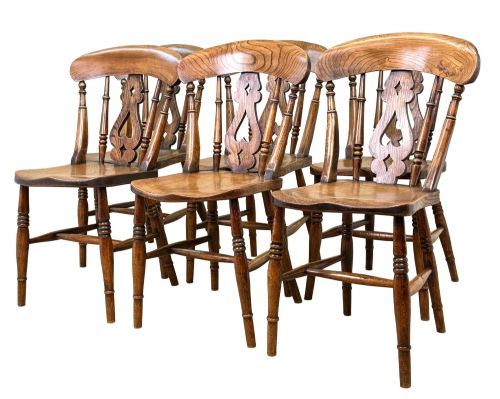
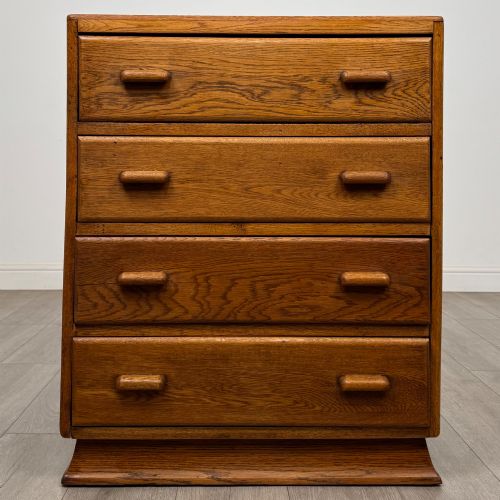
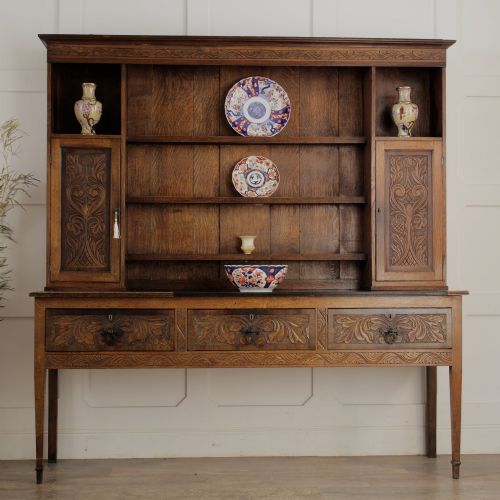
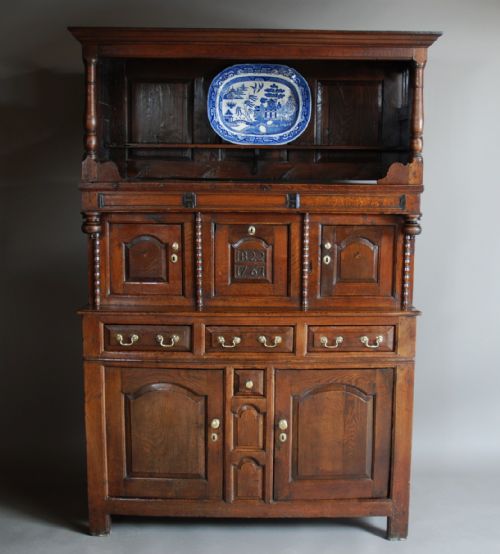
Buyers seeking mid century oak commonly encounter practical domestic storage and seating forms, ranging from eighteenth-century Welsh dressers and side tables to nineteenth-century farmhouse kitchen Windsor chairs and chests of drawers.
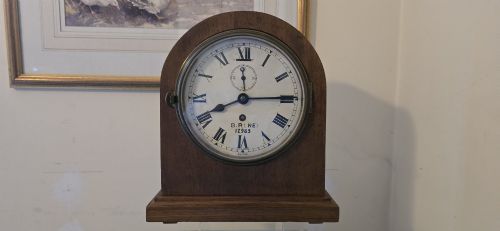
The selection also accommodates less conventional functional pieces like school gym shoe benches, plan chests, and campaign armchairs alongside decorative paintings and wall clocks.
How they were made
Construction relies heavily on solid timber, with oak supplemented by elm for specific seating components and pollard oak selected for decorative veneer effects.
Joinery techniques incorporate traditional panel framing, carved detailing, and turning, while later twentieth-century examples integrate brass hardware, iron bands, canvas, glass, and tambour doors.
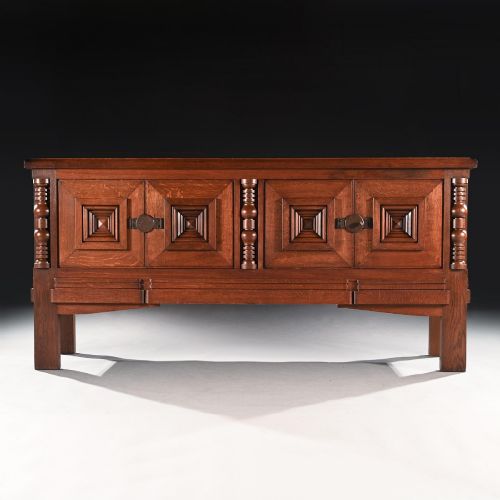
A sturdy school gym shoe bench waits ready for duty alongside formal Welsh dressers and seventeenth-century armchairs.
What varies in quality
Quality reveals itself in the handling of the wood, distinguishing standard utility items from pieces displaying figural grain, pollard figuring, or exceptional carved relief work.
Original surface condition and untouched patination elevate certain items, particularly seventeenth-century press cupboards and eighteenth-century dressers, above standard restored alternatives.
Bernard Hailstone·Heals·Charles Dudouyt·Gordon Russell·Victor Courtray
The Mid Century Oak Glossary
- Patina
- The surface sheen and mellowing developed by wood over centuries of handling and exposure. This gradual change is valued by collectors as a mark of genuine age.
- Joint stool
- A sturdy wooden seat constructed with mortise and tenon joints rather than turned legs driven into a solid seat. These domestic items date back to the seventeenth century.
- Cwpwrdd tridarn
- A traditional Welsh three-tier press cupboard designed for household storage. They represent substantial regional carpentry of the eighteenth century.
- Lowboy
- A small oak side table fitted with one or more drawers, originating in the eighteenth century. They served various utility functions in domestic rooms.
- Tambour
- A flexible sliding shutter formed from narrow wooden strips glued to a canvas backing. This mechanism appears on twentieth-century filing cabinets and cupboards.
Mid Century Oak: Frequently Asked Questions
How do I identify seventeenth century oak?
Seventeenth century pieces often display heavy panel construction, geometric mouldings, and hand-carved decorative motifs. The timber typically shows deeper colour and distinct medullary rays from quarter-sawing.
These earlier items possess a robust structural weight and rely on pegged joints rather than modern fasteners. Surviving examples frequently retain untouched surface patination.
What is pollard oak?
Pollard oak utilises timber taken from trees that were cut back near the main trunk to encourage dense branch growth. This pruning process creates highly figured, knotted grain patterns.
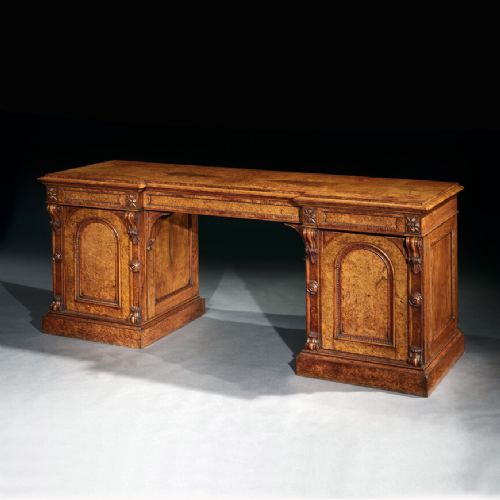
Cabinet makers valued this decorative wood for veneers on high-status nineteenth-century sideboards and cabinets. It contrasts sharply with straight-grained structural oak.
How do I care for antique oak furniture?
Antique oak benefits from stable indoor humidity levels away from direct heat sources and strong sunlight. Regular dusting with a dry cloth protects the historic surface.
Occasional application of appropriate wax feeds the timber and maintains the natural sheen without building up excessive residue. Avoid modern silicone polishes on older wood finishes.