





Mid Century Gouache Art
Mid century gouache art brings vibrant pigment and sharp line together on paper, offering collectors bold modernist statement pieces.
Mid Century Gouache Art
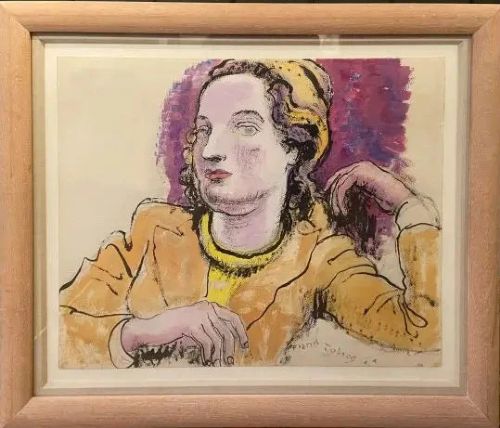
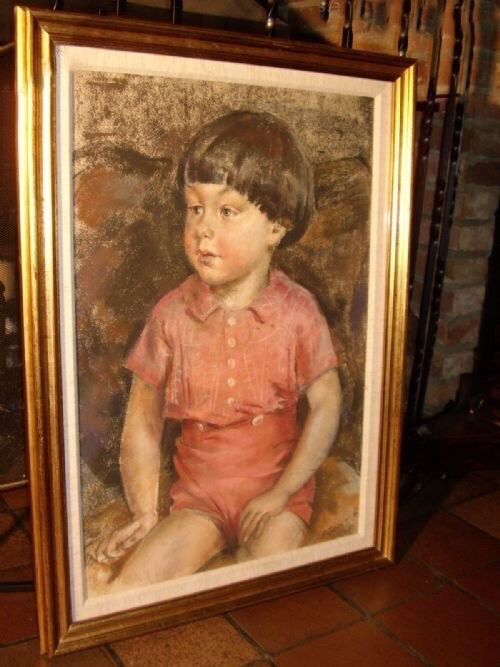
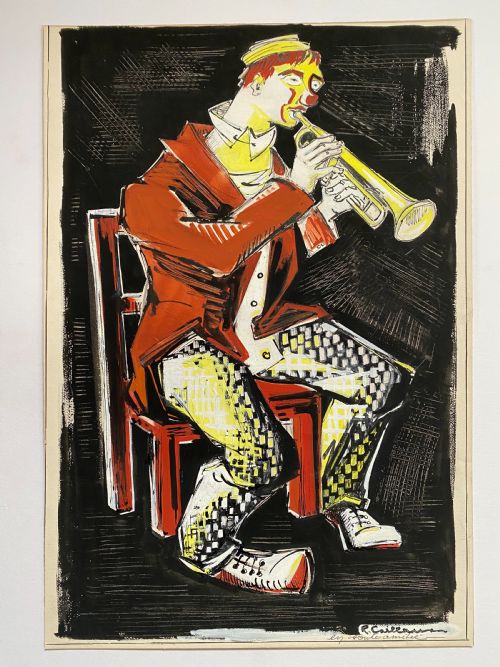
Mid century gouache art spans original paintings and framed illustrations created across the middle decades of the twentieth century. These works capture everything from equestrian scenes and cubist landscapes to botanical studies and portraiture on paper.
The pieces on this page lean heavily toward mid-century modern, modern British, and French modernist idioms. Buyers frequently encounter dynamic figure studies, architectural views, and coastal scenes dating from the nineteen-fifties and nineteen-sixties.
Earlier pieces from the nineteen-thirties and nineteen-forties appear alongside occasional nineteenth-century works. These older examples provide historical depth to a collection focused primarily on twentieth-century abstraction and illustration.
How they were made
Artists working in this medium utilise water-based gouache paint applied directly to paper supports. The pigment is often combined with ink, pastel, or watercolour to build opaque colour fields and precise linear details.
Framing typically incorporates wood and glass to protect the delicate paper surface. Gilt accents sometimes frame the composition, while original mount boards enclose the sheet.
Mid Century Gouache Art Retail Price Guide 2026
Typical asking prices for mid century gouache art among the pieces listed under this phrase on Sellingantiques today, from the lower quarter to the upper quarter. They describe what is for sale here now, not the wider market.
The listings feature works on paper spanning from the nineteenth century through the nineteen-sixties, utilising gouache, ink, pastel, and watercolour within wood and glass frames.
What varies in quality
Quality rests upon the confidence of the brushwork and the clarity of the composition. Stronger pieces display assured handling of pigment, whether capturing the movement of a bucking horse or the geometry of an abstracted landscape.
The strength of provenance and the distinctiveness of the subject matter distinguish standard decorative works from compelling collector pieces. Signed sheets and documented attributions elevate the standing of an individual artwork.
Frank Dobson·J.A.Grant·John Rattenbury Skeaping·Andrè Maurice·Archille Zavatta·Jean Cuny·Reginald Mills
The Mid Century Gouache Art Glossary
- Gouache
- An opaque water-based paint composed of pigment, water, and a binding agent such as gum arabic. It dries to a matte, velvety finish that allows for dense colour application.
- Cubist Abstracted
- A stylistic approach breaking forms into geometric planes and multifaceted angles. This style defines several landscape and figure compositions from the period.
- Provenance
- The documented history of ownership of an artwork. Clear provenance verifies authenticity and establishes the chain of custody from the artist or original gallery.
- Modernist
- Pertaining to the deliberate departure from traditional representation in favour of experimental forms. The listings feature British and French interpretations of this movement.
Mid Century Gouache Art: Frequently Asked Questions
How should I hang mid century gouache art?
Protect the paper surface by keeping framed works out of direct sunlight. Position them on interior walls where light and humidity levels remain stable.
Use professional framing with acid-free backing boards to preserve the integrity of the paper over time.
What subjects appear in these paintings?
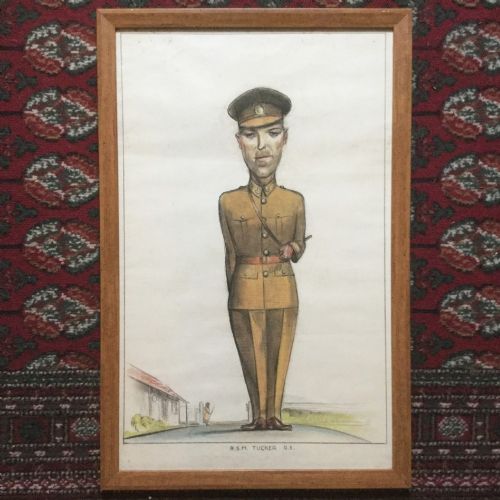
Subjects range from equestrian sports and military portraits to botanical studies and abstract coastal views. Artists captured both urban entertainment and quiet rural landscapes.
French and British practitioners dominated the output during the mid-twentieth century, producing diverse figurative and non-representational compositions.
How do I distinguish gouache from watercolour?
Gouache contains a white pigment filler that makes the paint opaque and light-reflective. Watercolour remains translucent, allowing the underlying white paper to illuminate the colour.
Paintings listed here often combine both mediums, using gouache for solid blocks and watercolour for transparent washes.
Are these works always signed?
Signatures vary across the selection, with some pieces bearing clear artist signatures or initials. Unsigned works still appear, attributed through stylistic analysis and period context.
Documentation on the reverse or reliable provenance often confirms the creator when a signature is absent.