

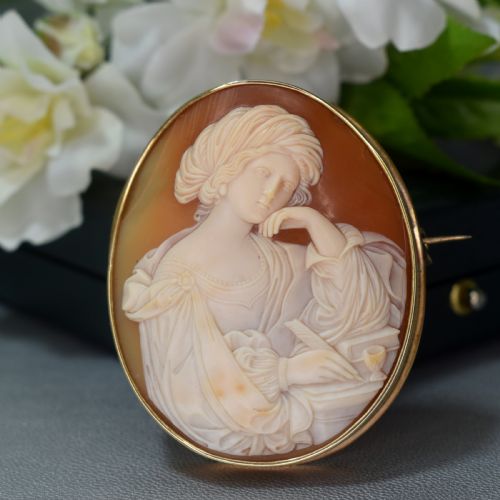


Mid Century Gold Pin
A mid century gold pin delivers striking metalwork and gemstones from the nineteen fifties and sixties straight to your lapel.
Mid Century Gold Pin
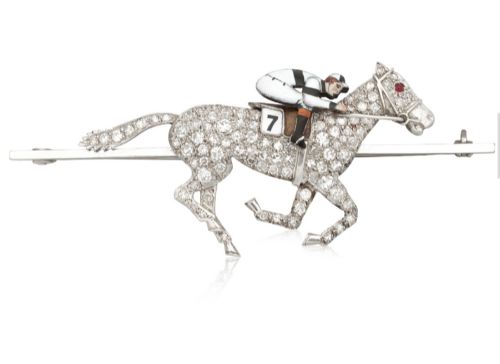
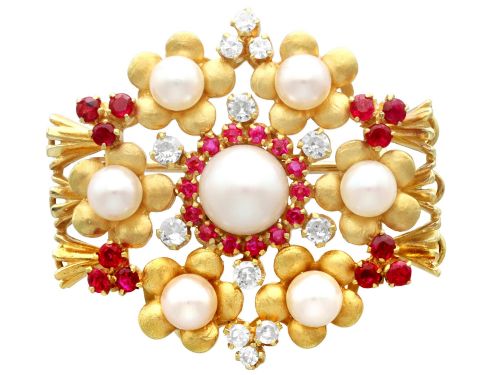
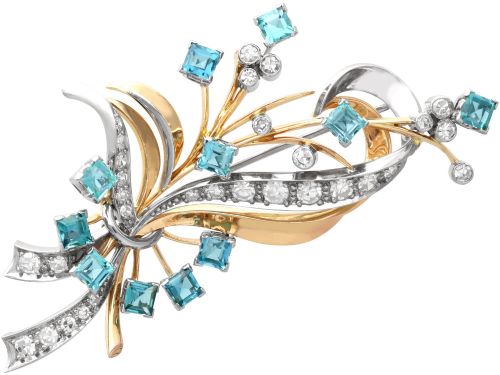
When you search for a mid century gold pin, you enter a world of brooches fashioned from yellow gold, white gold, and silver gilt. These pieces take forms ranging from floral sprays and geometric windows to animal novelties like chicks and ducks.
The selection here draws primarily from the nineteen fifties and nineteen sixties, though earlier Victorian and Edwardian examples also appear. You will find creations set with diamonds, emeralds, rubies, sapphires, amethysts, topazes, turquoise, onyx, shell cameos, and enamel.
Makers and designers represented include Aksel Holmsen, Ben Rosenfeld, Charles de Temple, and Gubelin. These brooches serve as both functional garment fasteners and wearable miniature sculptures.
What varies in quality
Quality rests in the weight of the gold and the calibre of the stones, such as large step cut gemstones and fine old cut diamonds. Superior pieces display crisp casting, precise stone setting, and distinctive artistic design from named workshops.
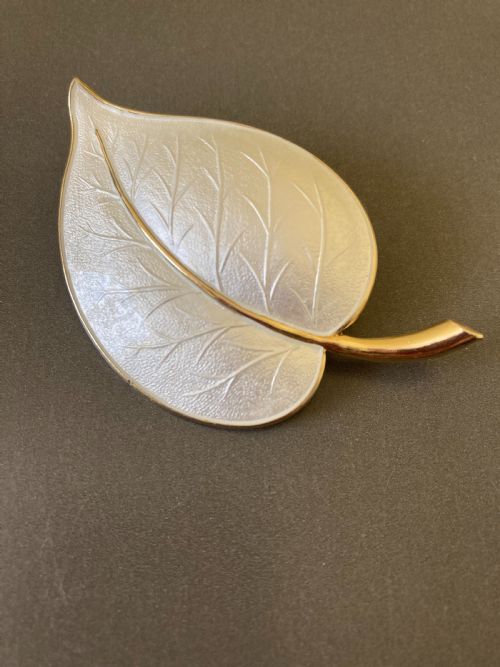
Simpler silver gilt and enamel items rely heavily on the integrity of the vitreous enamel surface and the fineness of the metalwork. The distinction between a standard production brooch and a signed masterwork lies in the individuality of the execution.
Mid Century Gold Pin Retail Price Guide 2026
Typical asking prices for mid century gold pin among the pieces listed under this phrase on Sellingantiques today, from the lower quarter to the upper quarter. They describe what is for sale here now, not the wider market.
Listings feature items from the Victorian era through to nineteen sixty-nine, spanning fourteen carat gold, eighteen carat gold, silver gilt, and enamel.
Aksel Holmsen·Ben Rosenfeld·Charles de Temple·Gubelin
The Mid Century Gold Pin Glossary
- Step cut
- A stone cutting style featuring broad, flat facets arranged in parallel rows, commonly seen on large amethysts. This cut emphasises the clarity and depth of the gemstone.
- Silver gilt
- Silver that has been coated with a thin layer of gold, frequently utilised in Scandinavian enamel pieces. This technique provides the rich appearance of gold whilst retaining a silver base.
- Shell cameo
- A relief carving produced on the outer layer of a seashells, often depicting classical figures. These carvings were frequently mounted in gold frames during the nineteenth century.
- Old cut
- A diamond cutting style prevalent before modern brilliant standards, characterised by a smaller table and high crown. These stones exhibit a softer, candlelit sparkle.
- Window brooch
- A design where gemstones are arranged to create an open architectural view through the piece. This construction showcases transparency and dimensional depth.
Mid Century Gold Pin: Frequently Asked Questions
How do I wear a gold brooch today?
Pin these pieces firmly through heavy fabrics like wool coats, lapels, or thick knit sweaters to support the weight of the gold and gemstones. They also anchor silk scarves or secure the closure of structured wraps.
Position the pin slightly above the chest centre for optimal balance, ensuring the fastening mechanism locks securely behind the garment fabric.
Are these pins made of solid gold?
Many examples are fashioned from fourteen carat or eighteen carat yellow and white gold. Other pieces utilise silver gilt, which combines a silver base with a gold surface coating.
Check the metal components for traditional hallmarks and purity stamps that indicate the exact gold standard used by the maker.
How can I date a mid century pin?
Examine the design motifs, as nineteen fifties and sixties pieces often favour abstract forms, textured gold finishes, and playful animal novelties. Hallmarks and registration dates stamped on the reverse provide precise chronological markers.
Stylistic cues such as modernist geometric frames or atomic age shapes help distinguish mid-century work from earlier Victorian and Edwardian examples.
What stones are typically set in these brooches?
Diamonds and emeralds frequently appear alongside rubies, sapphires, amethysts, and topazes. Artisans also incorporated organic materials like shell cameos, turquoise, onyx, and vibrant enamel.
Gemstone selection often defines the character of the piece, ranging from sparkling floral diamond sprays to colourful abstract window brooches.