


Mid Century Glazed Cabinet
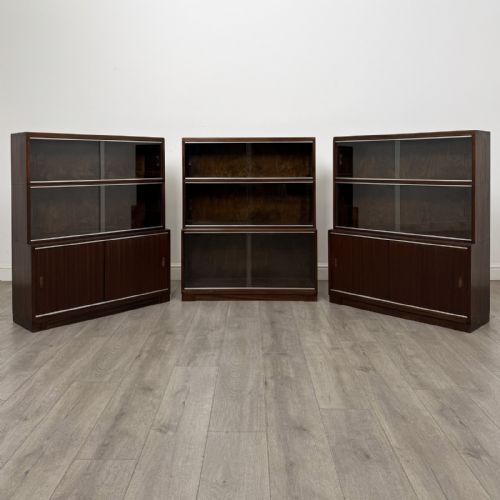
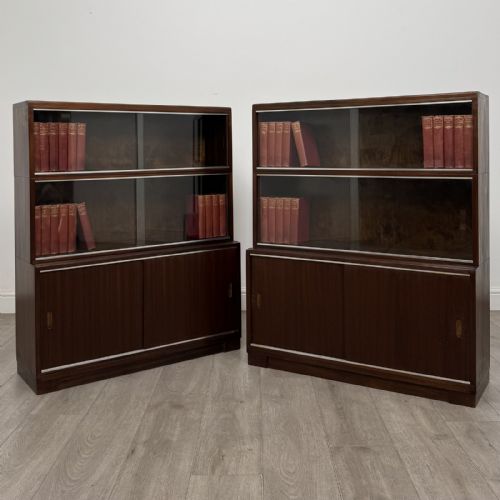
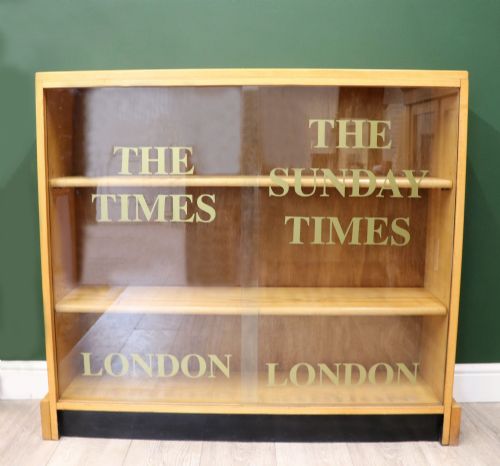
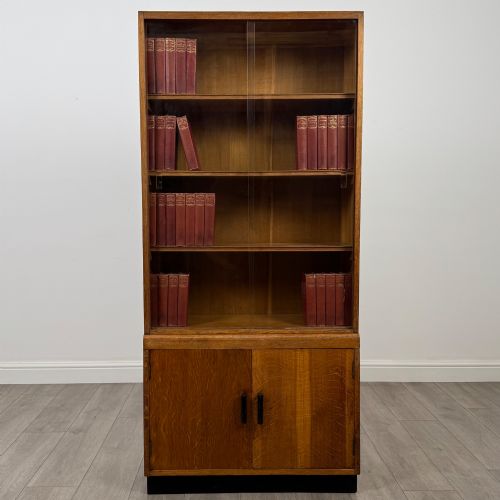
A mid century glazed cabinet brings visible storage and display space into a room, joining practical timber structure with clear glass fronts.
Mid Century Glazed Cabinet
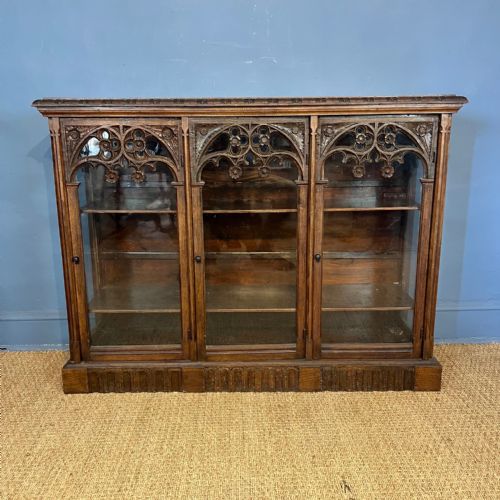
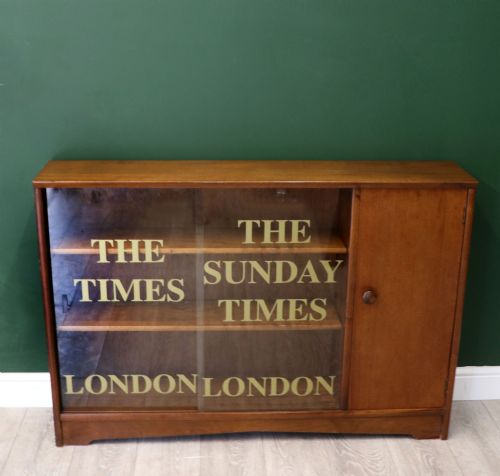
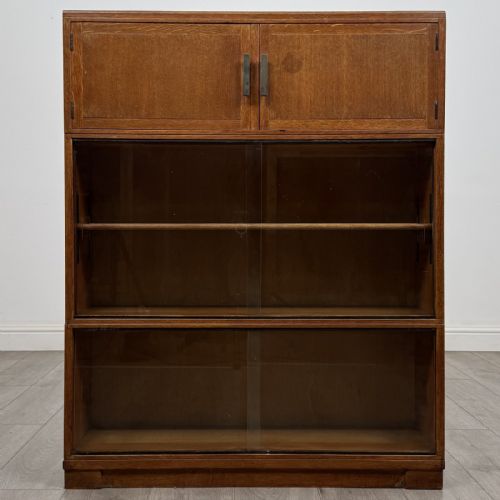
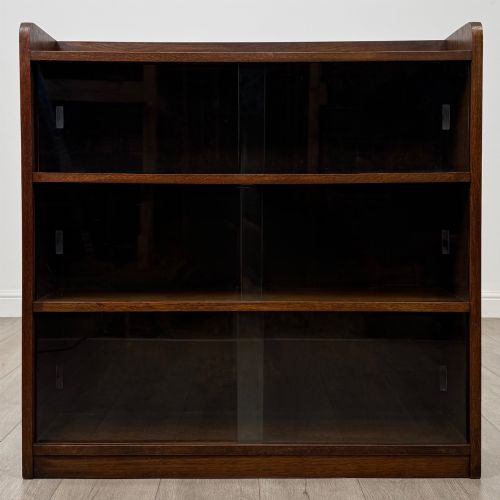
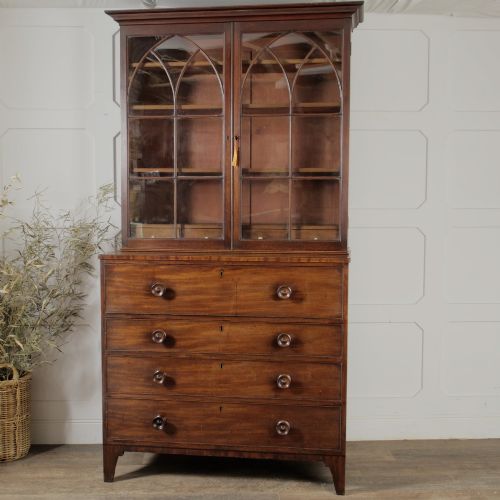
A mid century glazed cabinet encompasses a broad selection of storage furniture designed to keep contents visible yet protected behind glass doors. These items appear across various styles, including mid-century modern teak designs, traditional oak constructions, and inlaid walnut pieces.
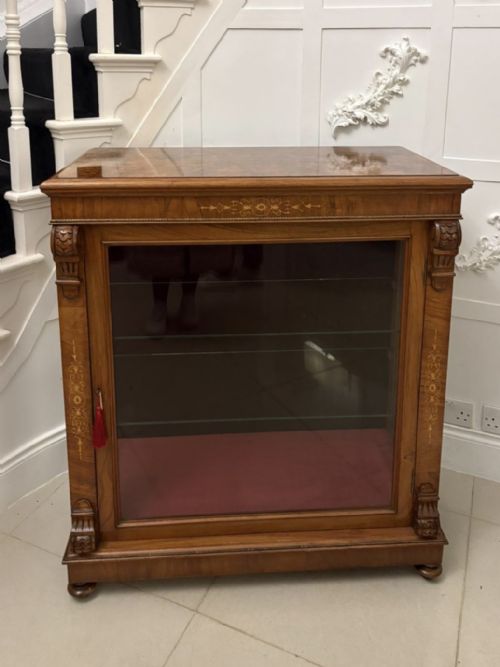
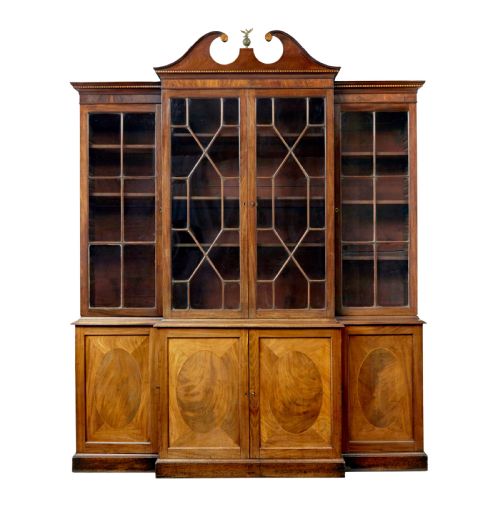
Buyers will encounter multiple configurations on this page, ranging from compact pier cabinets and side cabinets to larger breakfront bookcases and credenzas. The selection bridges twentieth-century production with nineteenth-century examples in mahogany, rosewood, and kingwood.
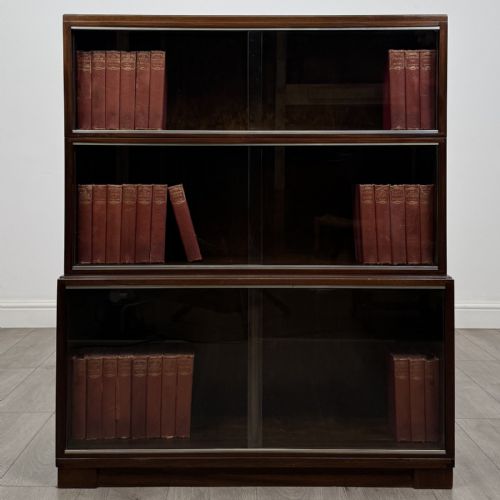
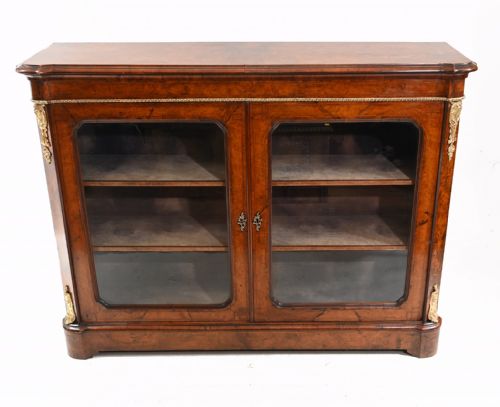
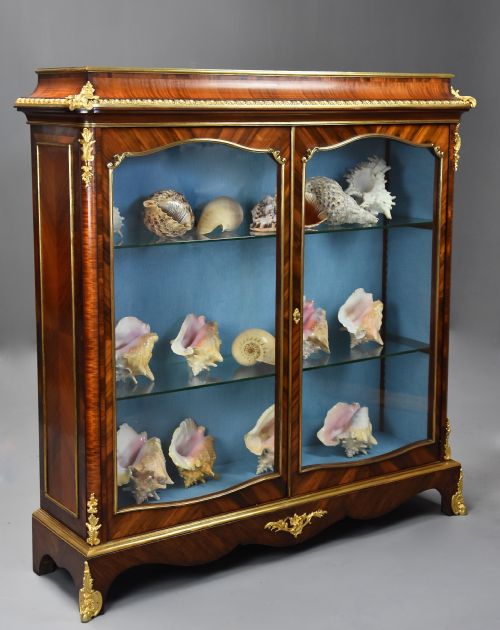
The phrase spans utilitarian stacking bookcases alongside decorative display vitrines mounted with ormolu. Pieces originate from British workshops as well as continental makers, utilising sliding or hinged glass doors to frame books, ceramics, and personal collections.
Materials and construction
Construction relies upon solid timbers and supportive veneers, predominantly mahogany, oak, walnut, and teak, paired with clear sheet glass. Cabinet makers utilised traditional framing methods to support heavy glazed doors, often incorporating brass hardware and sliding mechanisms.
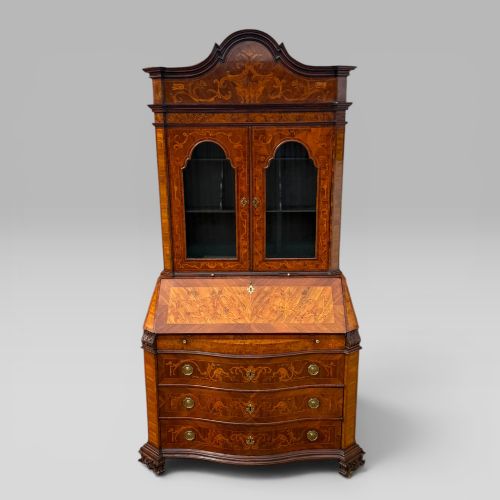
Decorative embellishments include marquetry inlay, ormolu mounts, and marble tops, particularly on nineteenth-century continental pieces. The integration of burr walnut and figured grains provided visual movement across flat panel surfaces.
Mid Century Glazed Cabinet Retail Price Guide 2026
Typical asking prices for mid century glazed cabinet among the pieces listed under this phrase on Sellingantiques today, from the lower quarter to the upper quarter. They describe what is for sale here now, not the wider market.
The furniture spans the eighteenth, nineteenth, and twentieth centuries, including Victorian and Edwardian periods.
Distinctions in standard
Quality separates through the selection of timber veneers and the precision of the joinery supporting the glass enclosures. Superior examples demonstrate careful grain matching across doors and panels, alongside refined execution of brass fittings and inlaid motifs.
The structural integrity of the shelving and the clarity of the glass panels dictate the overall finish. Pieces bearing maker attributions or specific workshop signatures often exhibit more disciplined proportion and heavier timber gauges.
Herbert Gibbs·Minty of Oxford·Druce And Co·Arthur Reynolds Of Ludlow
The Mid Century Glazed Cabinet Glossary
- Vitrine
- A glass-fronted display cabinet used for showcasing porcelain and decorative objects. These items typically feature glazed sides as well as doors to maximise ambient light penetration.
- Credenza
- A low sideboard or cabinet often fitted with cupboards and central glass doors. Originating in Italy, the form evolved during the nineteenth century to incorporate elaborate marquetry and ormolu mounts.
- Pier cabinet
- A narrow display cabinet designed to fit the wall space between windows. Victorian examples frequently utilise walnut veneers and shaped glass doors.
- Ormolu
- Gilded bronze ornamentation applied to furniture frames and mounts. This technique gained prominence on nineteenth-century French revival pieces.
- Breakfront
- A piece of furniture where the central section projects forward from the flanking wings. This architectural arrangement creates depth and visual rhythm in large bookcases.
Mid Century Glazed Cabinet: Frequently Asked Questions
What is a mid century glazed cabinet used for?
These cabinets serve as functional storage units that keep books, glassware, and collections visible while protecting them from dust.
They allow items to be displayed in living spaces or libraries without cluttering open surfaces.
How do I clean the glass safely?
Use a mild glass cleaner applied to a soft cloth rather than directly onto the surface to prevent liquid seeping into the timber frame.
Take care around older putty or wooden glazing bars which can loosen with excessive moisture.
How do I tell nineteenth century from mid-century pieces?
Nineteenth-century examples frequently feature hand-cut dovetails, heavy timber mouldings, and decorative inlays like ormolu or marquetry.
Mid-century items lean toward minimalist teak construction, clean lines, and functional sliding glass doors.
Can shelves be adjusted in these cabinets?
Older display cabinets often feature fixed wooden shelving or traditional plate grooves rather than modern adjustable metal pins.
Mid-century variants may offer modular interior layouts depending on the specific maker's design.