
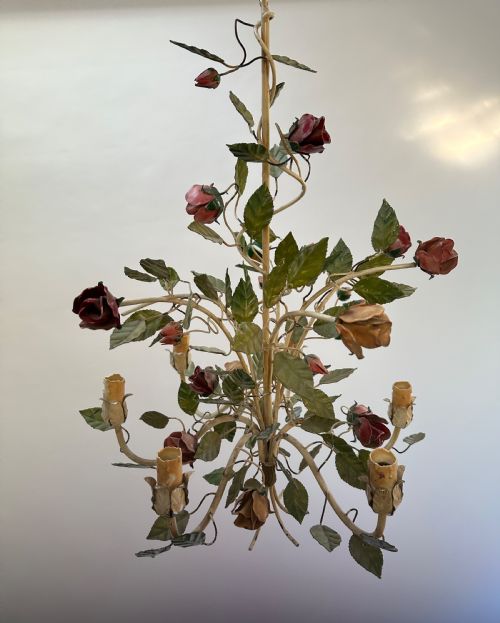


Mid Century French Light
These mid century french light pieces bring genuine decorative presence into a room, combining rich metalwork with classical illumination.
Mid Century French Light
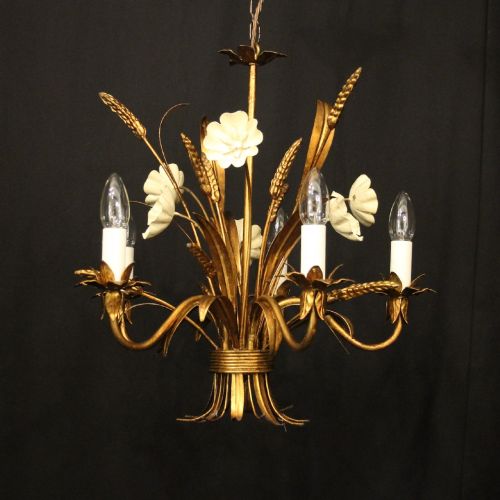
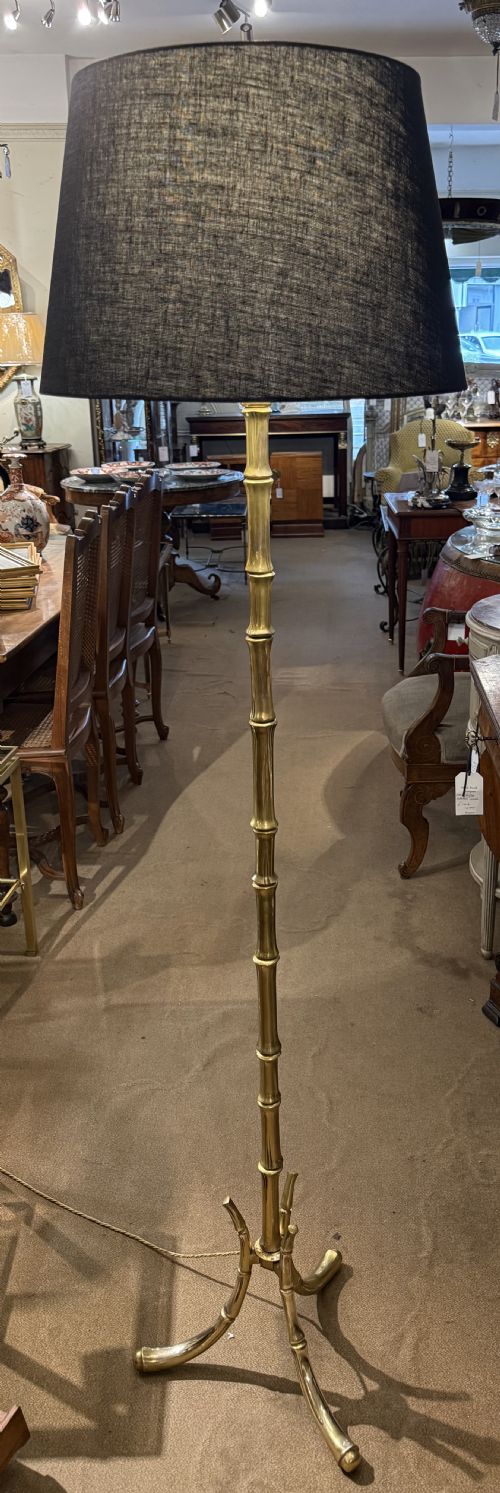
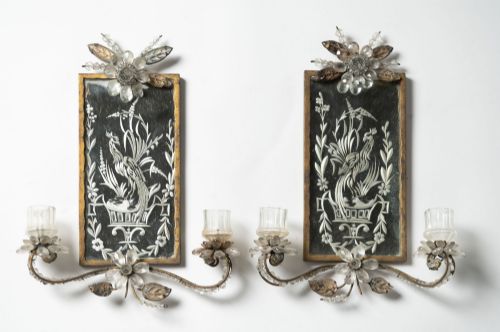
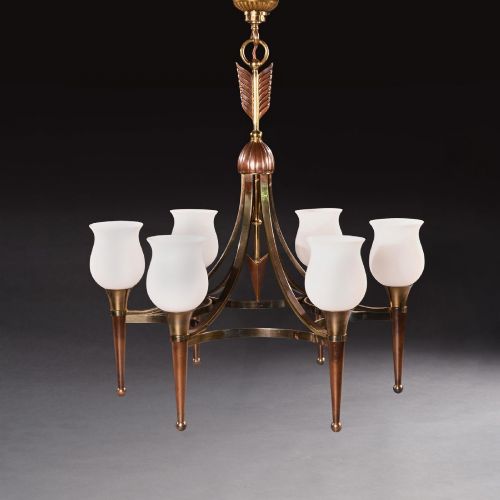
A mid century french light covers a diverse array of decorative fixtures, from grand chandeliers and wall sconces to floor lamps and candelabra. The selection relies heavily on pieces originating from French workshops, incorporating styles such as Mid-Century Modern, French Chateau, and Hollywood Regency alongside earlier 19th-century designs.
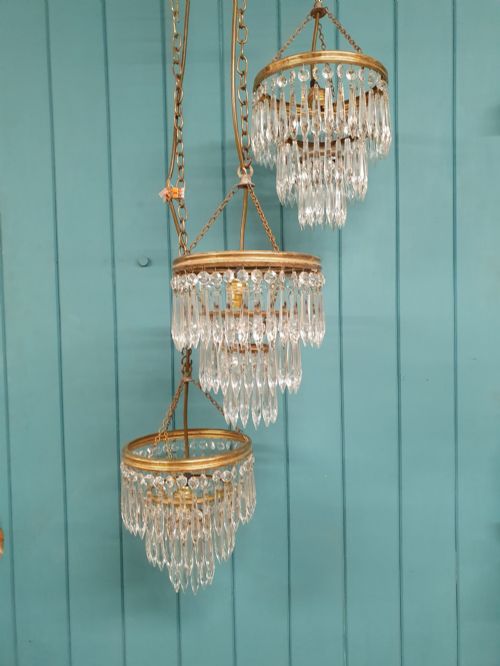
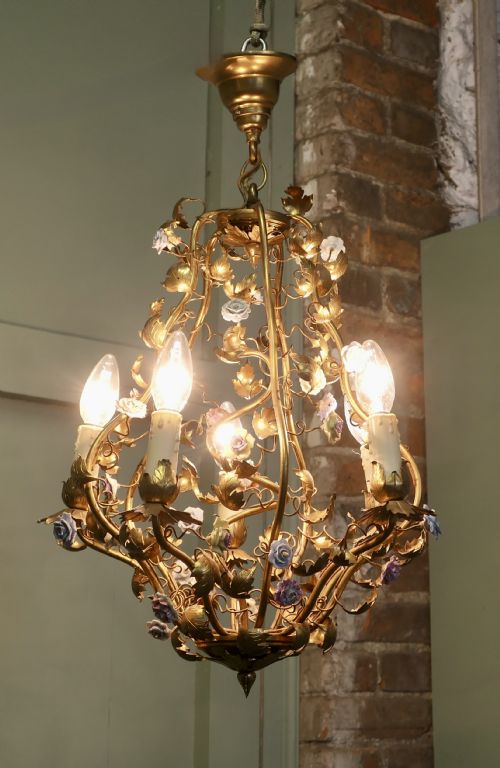
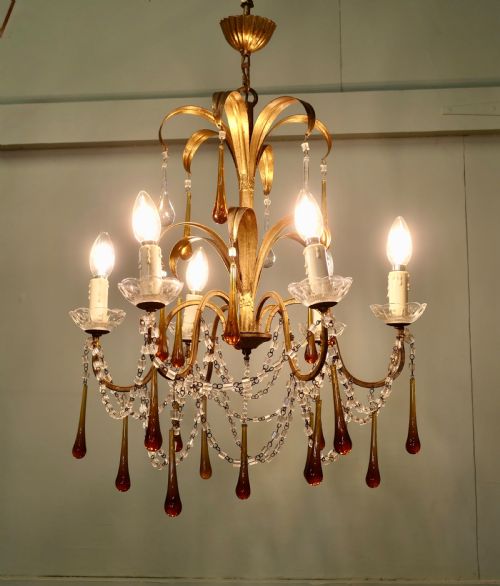
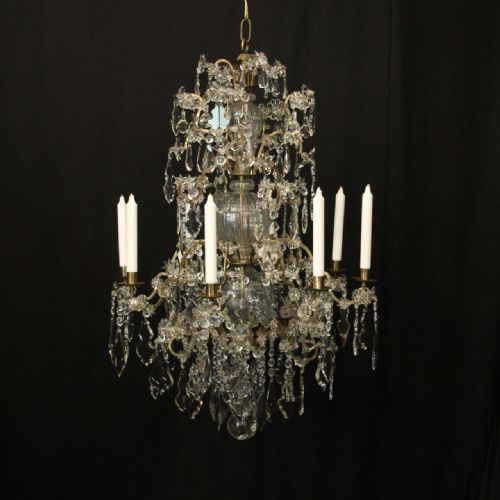
Buyers frequently encounter variations involving gilded finishes, crystal drops, and floral or animal motifs. The forms range from ceiling-hung chandeliers to wall lights and candlesticks fashioned in brass, bronze, and gilt metal.
The assortment spans multiple decades, blending mid-century modern interpretations with older neoclassical and Victorian influences. This mix offers collectors a broad spectrum of lighting options suited for various interior schemes.
Materials and construction
Makers utilised cast and forged metals such as bronze, brass, iron, and gilt metal as the structural foundation for these fixtures. Gilt bronze, ormolu, and silver plating often provided the primary surface finish.
Glass and crystal elements, including amber teardrops and stems, were integrated to refract light and enhance decorative appeal. Tolewear components and ceramic flowers introduced colour and texture into specific floral and branch designs.
Stork candlesticks and illuminated ceramic wall fountains ensure domestic illumination remains delightfully theatrical.
Assessing quality in French lighting
Quality rests on the crispness of the metal casting and the depth of the gilding or patination. Finer examples display meticulous hand-chiselling on bronze and ormolu, while lesser pieces show softer detail.
The integration of glass and crystal components differentiates the grade of a fixture. Clear, well-cut crystal drops and robust structural armatures elevate a piece above standard commercial production.
Maison Baguès·Maison Jansen·François Christophe Armand Toussaint
The Mid Century French Light Glossary
- Ormolu
- Gilded bronze produced by applying a mercury-gold amalgam to a bronze base. This technique creates a durable, luminous surface characteristic of fine French metalwork.
- Tolewear
- Painted or lacquered sheet metal items often fashioned into floral or decorative motifs. These pieces add painted colour and organic form to lighting fixtures.
- Chandelier
- A branched ceiling-mounted lighting fixture designed to hold multiple bulbs or candles. They often feature crystal drops, gilt metal frames, and decorative arms.
- Sconce
- A wall-mounted lighting fixture attached directly to a vertical surface. These fixtures project illumination outward using multiple branches or a single light source.
- Candelabra
- A branched candlestick holder designed to support several candles simultaneously. Antique examples frequently employ bronze, brass, or gilt metal construction.
Mid Century French Light: Frequently Asked Questions
What styles define a mid century french light?
The category encompasses styles ranging from Mid-Century Modern and Hollywood Regency to French Neoclassical and French Chateau. These diverse aesthetic streams reflect both modern mid-century innovation and traditional craftsmanship.
Designers drew upon historical motifs, incorporating floral elements, animal figures, and ornate branch structures into functional lighting objects.
How were these lights used historically?
These fixtures provided principal illumination in domestic and formal interiors, utilising candles or early electrical wiring. Chandeliers and wall sconces lit grand reception rooms, while floor lamps and table lamps served reading and task roles.
Many pieces were created as decorative showpieces designed to catch and reflect candlelight across gilded surfaces and crystal pendants.
How do I care for antique French lighting?
Maintenance requires gentle dusting with a soft, dry cloth to protect delicate gilt surfaces and crystal components. Avoid abrasive cleaners or harsh chemical solvents that can strip original patination or gilding.
Ensure that wiring on electrified pieces is periodically inspected by a qualified professional to maintain safety standards without altering the antique housing.
How are different periods told apart?
Nineteenth-century examples frequently feature heavy bronze casting, neoclassical urn shapes, and candle fittings. Mid-century pieces introduce streamlined silhouettes, abstract floral motifs, and modernist structural frameworks.
Examining the metal alloy, the style of the mounting brackets, and the presence of specific maker signatures helps clarify the era of production.