




Mid Century Footstool
A mid century footstool brings domestic comfort and tactile warmth to a room, ranging from mahogany frames to leather lounge pairings.
Mid Century Footstool
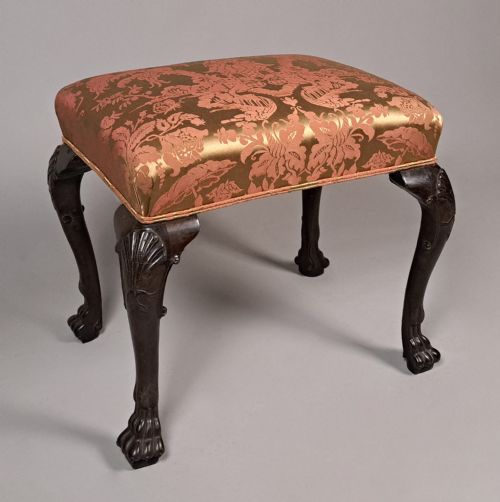
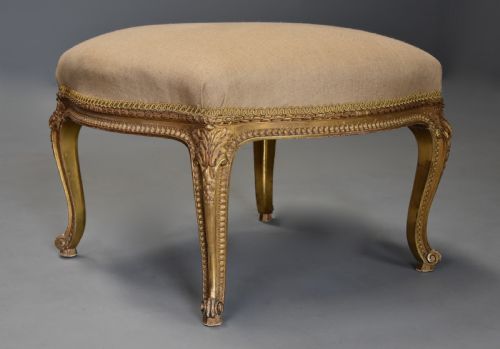
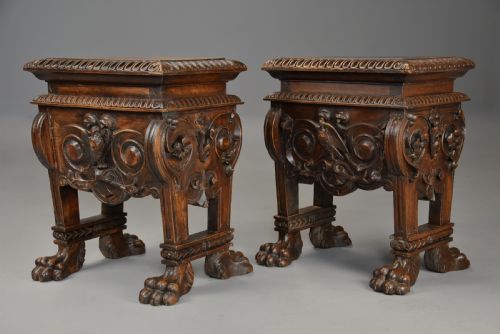
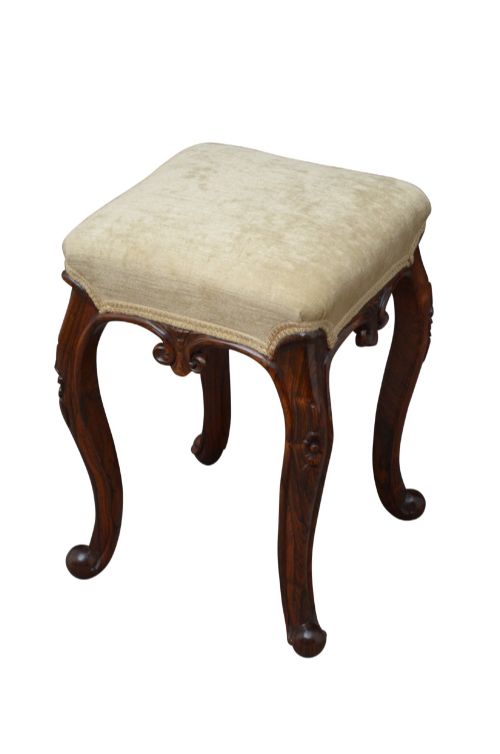
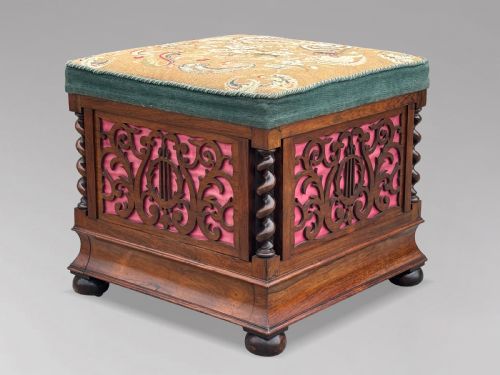
When you search for a mid century footstool, you encounter a selection spanning nineteenth century timber frames alongside later leather designs. The pieces on this page encompass various forms including dressing table stools, fireside stools, and lounge chair footstools.
The materials represented here cover walnut, mahogany, rosewood, oak, and birch, paired with velvet, fabric, textile, and leather upholstery. Origins stretch from English workshops to French, Italian, and Swedish makers.
Most entries draw from nineteenth century production alongside earlier eighteenth century examples and mid-twentieth century designs. This mix provides varied heights and frame shapes suited to different interior layouts.
Materials and Construction
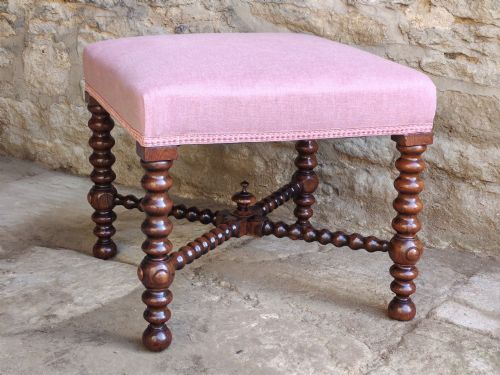
Frames are constructed from hardwoods such as mahogany, walnut, rosewood, oak, and birch, shaped with carved details or turned bobbin legs. Joinery methods include traditional joint construction and x-frame bracing designed to support weight securely.
Upholstery relies on textiles, velvet, fabric, and leather, often finished with needlepoint or gros-point needlework tops. Giltwood and carved wooden details receive hand-finishing, while stamped maker marks occasionally appear on French frames.
Mid Century Footstool Retail Price Guide 2026
Typical asking prices for mid century footstool among the pieces listed under this phrase on Sellingantiques today, from the lower quarter to the upper quarter. They describe what is for sale here now, not the wider market.
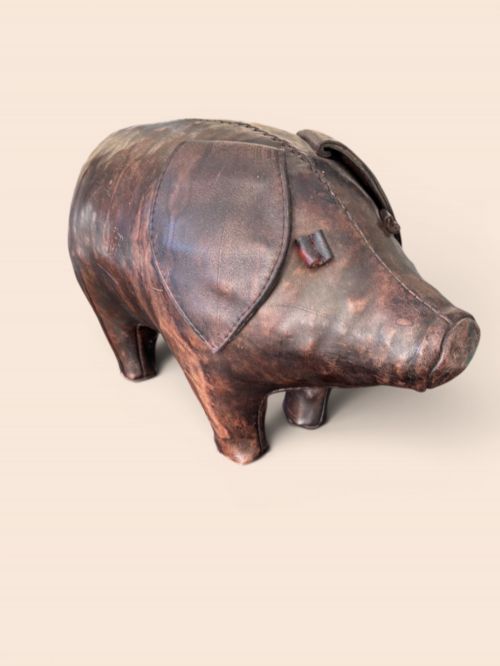
Among the timber and leather seats sits a leather pig footstool, proving that historical makers possessed a delightful sense of humour.
Assessing Quality and Craft
Quality reveals itself in the crispness of timber carving, the selection of figured veneers like burr maple, and the integrity of the frame joinery. Superior examples maintain stable structural joints and retain original or sympathetic upholstery materials.
The refinement of leg turning, the presence of maker stamps, and the density of the wood grain separate standard utilitarian pieces from exceptional workshop output. Proportion and balance in x-frame or cabriole designs further distinguish finer examples.
Omersa Workshop·Fritz Hansen
The Mid Century Footstool Glossary
- Joint stool
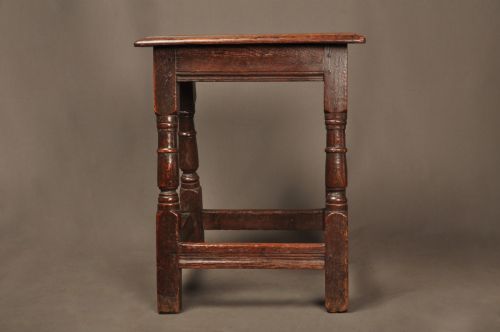
- A traditional low wooden seat joined by mortise and tenon construction rather than turned legs alone. These sturdy pieces date back to earlier centuries and serve as compact footrests.
- Gros-point
- A heavy needlepoint stitch worked on coarse canvas, frequently utilised for durable historical upholstery tops. This technique creates a textured surface with geometric or floral patterns.
- X-frame
- A structural furniture base formed by intersecting diagonal timbers that cross to support the seat. This configuration provides distinct architectural lines and high load-bearing strength.
- Giltwood
- Timber treated with a thin layer of gold leaf or metallic gilt over a prepared gesso ground. It appears on decorative nineteenth-century frames designed for formal reception rooms.
- Bobbin leg
- A turned furniture leg shaped with a series of rounded spheres resembling spools or bobbins threaded together. This decorative turning style is characteristic of seventeenth- and nineteenth-century revival pieces.
Mid Century Footstool: Frequently Asked Questions
How do I clean antique upholstery?
Vacuum textile and needlepoint surfaces gently with a soft brush attachment to remove dust without disturbing delicate fibres. Avoid harsh liquid cleaners that can damage vintage fabrics or stain underlying padding.
For leather components, wipe gently with a dry or barely damp cloth, applying suitable leather conditioners sparingly. Professional conservation is recommended for fragile historical needlework tops.
How do I date a wooden stool?
Examine the timber species, joinery methods, and tool marks visible on the underside of the frame. Eighteenth-century pieces often display hand-sawn surfaces and pegged mortise and tenon joints.
Nineteenth-century examples frequently show machine-cut components alongside revival styles like Victorian Rococo or French revival. Hardware screws and upholstery webbing further indicate the manufacturing period.
What is a gout stool?
A gout stool is an adjustable wooden footrest designed to elevate and support the foot or leg at a comfortable angle. These nineteenth-century pieces typically feature ratcheted mechanisms to alter the incline.
They provide targeted support for rest and relaxation, often padded with velvet or fabric for comfort. Their specialised function makes them distinct from standard flat footstools.