



Mid Century Flower Painting
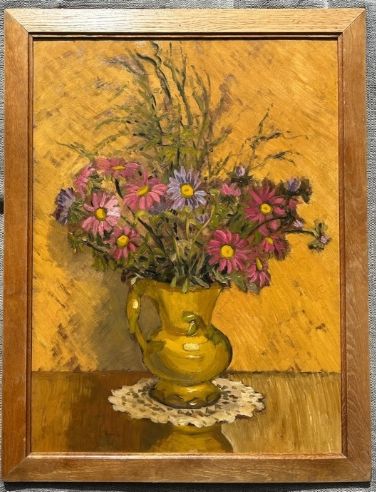
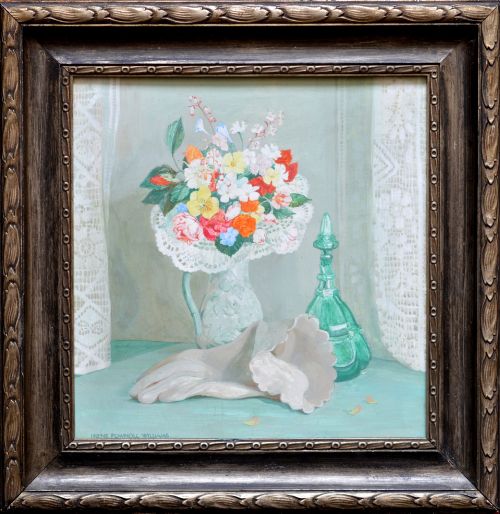
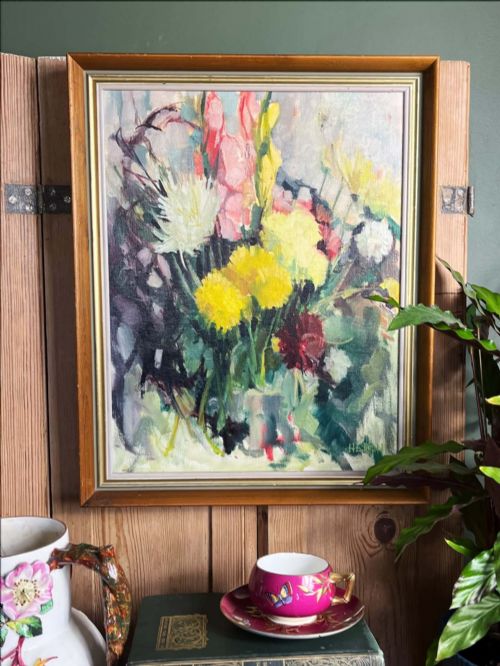
A mid century flower painting brings vibrant botanical studies and expressive still life compositions into modern interiors through authentic period brushwork.
Mid Century Flower Painting
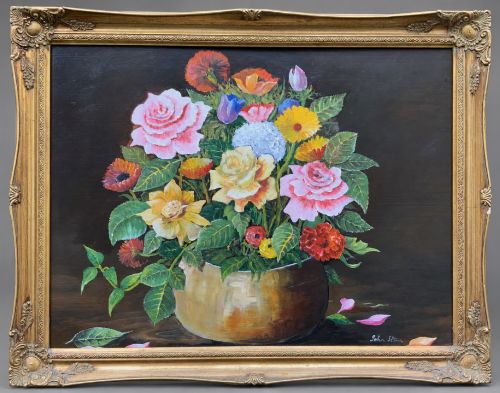
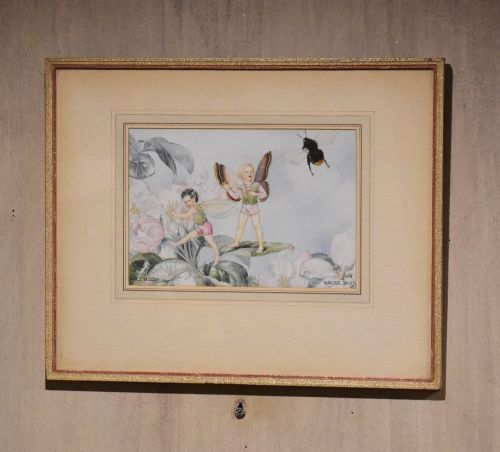
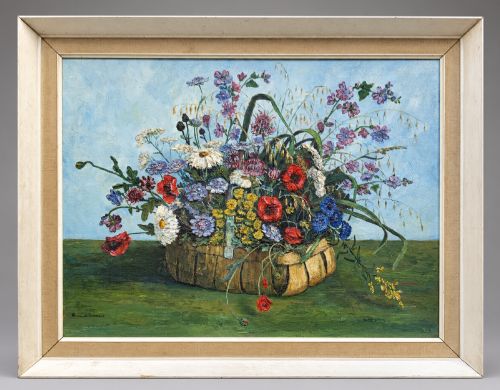
A mid century flower painting typically captures botanical subjects, vases, and interior tabletops through the artistic lenses of the mid-twentieth century. Collectors encounter these works across various formats, ranging from intimate watercolours on paper to bold oil paintings on canvas and board.
The selections span from traditional still life arrangements to freer modernist interpretations influenced by Post-Impressionism and Impressionist movements. Originating from British, French, and wider continental studios, these pieces reflect the diverse aesthetic shifts occurring between the 1930s and 1960s.
Materials and construction methods
Artists of this era predominantly applied oil paint or watercolour onto prepared canvas, wood panels, board, or heavy paper supports. Canvas and board provide sturdy foundations for heavier impasto applications, while watercolour and gouache allow for translucent botanical studies.
Many works retain their period framing, sometimes incorporating gilt or simple wooden mouldings that complement the painting style. The integration of media such as tempera or gouache further demonstrates the experimental material choices typical of the mid-century period.
Mid Century Flower Painting Retail Price Guide 2026
Typical asking prices for mid century flower painting among the pieces listed under this phrase on Sellingantiques today, from the lower quarter to the upper quarter. They describe what is for sale here now, not the wider market.
Several artists tucked humble household items like pigeon lamps and fruit bowls right beside their prize roses.
Distinctions in execution and presence
Quality rests in the confidence of the brushwork, the balance of the composition, and the harmony of the palette. Superior examples display deliberate tonal control and assured handling that transform a simple vase of flowers into a compelling study of light and form.
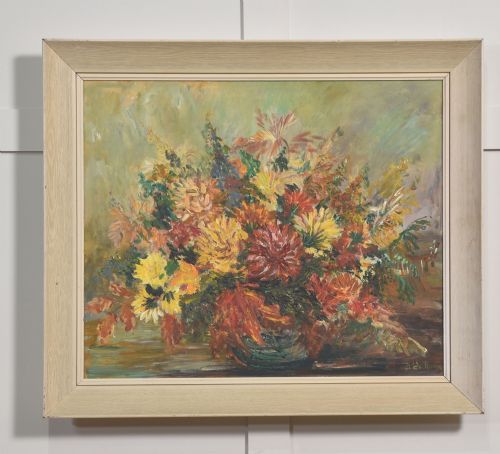
Weaker pieces often rely on rigid symmetry or flat application without engaging the surrounding space. The presence of the artist's hand, whether through energetic impasto or delicate watercolour washes, dictates the overall visual impact of the work.
Irene Christobelle Pownoll Williams·Kenneth Cozens·James Tower·Winifred Turner·Amile Coppieters·A Nikolokov·J Milton·Sir Matthew Smith·Terence Loudon·Robin MacKertich·Stuart Armfield·Margaret Laing·Phyllis I Hibbert·Maud Frances Eyston Sumner·Bertoldo Taubert·Maria Harrison·C Lawrence·Pauline Boumphrey·P E Colville Horridge Gardner·L E Hole·Florence R Walker·James Lloyd
The Mid Century Flower Painting Glossary
- Impasto
- Paint applied thickly to a canvas or board, standing out in relief from the surface. This technique adds tactile dimension and captures light dynamically across petal and leaf textures.
- Still life
- An artwork depicting inanimate subject matter, typically commonplace objects such as cut flowers, pottery jugs, and fruit. These arrangements allow artists to focus entirely on colour, form, and composition.
- Tempera
- A permanent, fast-drying painting medium consisting of coloured pigment mixed with a water-binder agent. It produces a matte surface prized for precise botanical delineation.
- Gouache
- An opaque water-based paint that dries to a smooth, velvety finish. It offers greater coverage than traditional watercolour, lending solidity to floral displays.
- Post-Impressionism
- An art movement extending roughly from the last decade of the nineteenth century through the mid-twentieth century. It champions symbolic colours and expressive brushwork over naturalistic representation.
Mid Century Flower Painting: Frequently Asked Questions
How do I style a floral still life at home?
These paintings pair naturally with mid-century sideboards, neutral walls, and rustic wooden furniture where their colours can anchor the room. Placing them away from direct sunlight preserves the original pigments on canvas or paper.
Allow the palette of the flowers to guide your selection of surrounding interior accessories. A well-placed lamp enhances the textured brushwork of heavier impasto works during evening hours.
What subjects are most common in these works?
Cut flowers arranged in ceramic jugs, pottery vases, and glass vessels dominate the compositions. Artists frequently combined these botanical studies with everyday tabletop objects like bowls of fruit or lamps.
Varieties range from spring blossoms and roses to chrysanthemums, lilies, and wild garden gatherings. The context often shifts from traditional realism to abstracted forms as the decades progress toward the 1960s.
How can I tell a 1930s piece from a 1960s one?
Earlier works from the 1930s and 1940s often lean toward restrained palettes and traditional still life structures. Wartime watercolours frequently display muted tones dictated by material availability during the period.
Works from the 1950s and 1960s typically embrace brighter synthetic pigments, bolder brushwork, and modernist abstraction. Examining the support board, canvas type, and framing style provides additional clues to the era of creation.
Are these paintings usually signed by the artist?
Many examples feature signatures or initials from the painter, sometimes accompanied by a date on the front or reverse. Unsigned works frequently emerge from studio collections or regional schools active during the period.
Attributions often rely on stylistic markers, framing provenance, or distinct handling of paint. A signature enhances historical record, but strong execution remains the primary hallmark of quality.