



Mid Century End Table
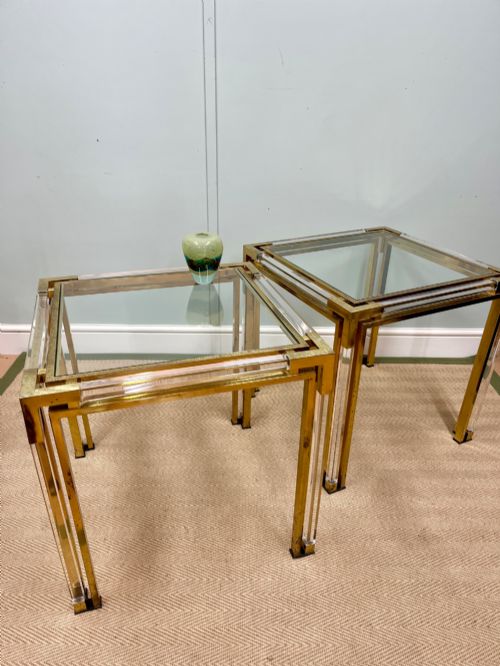
These mid century end table designs bring compact utility and distinct period character to a room, offering surface space built from brass, glass, steel, and timber.
Mid Century End Table
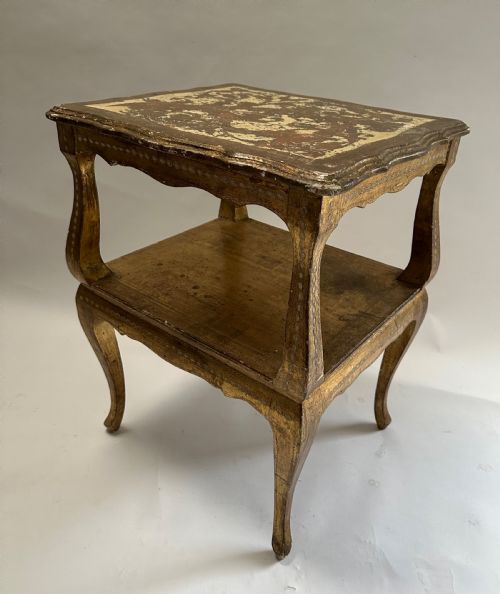
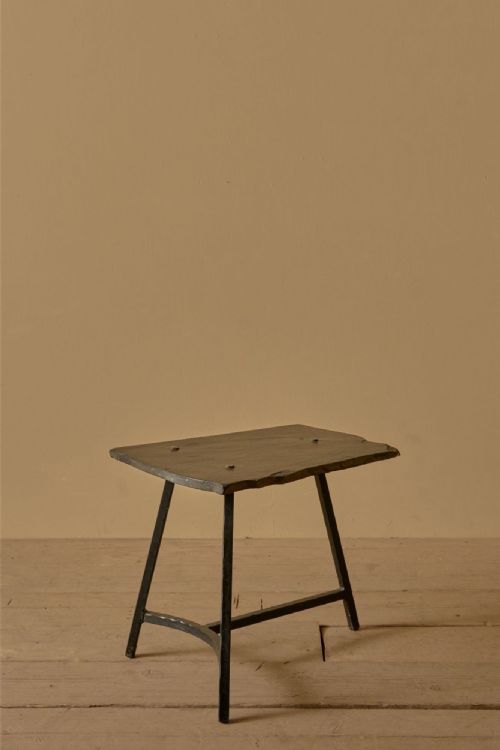
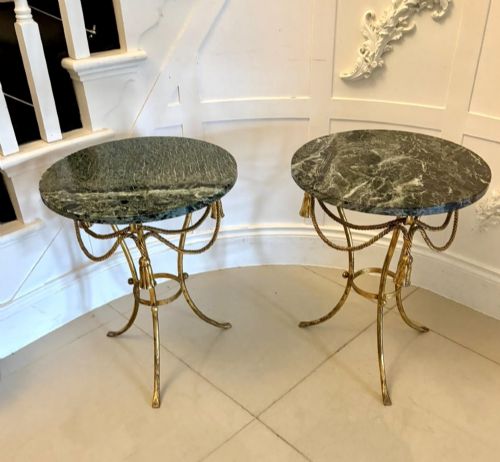
A mid century end table serves as a functional surface beside a seating arrangement, taking the form of side tables, occasional tables, centre tables, and nested sets. Buyers encounter varied formats including French steel and slate designs, Italian gilt metal and marble lamp tables, and Indian rosewood nests.
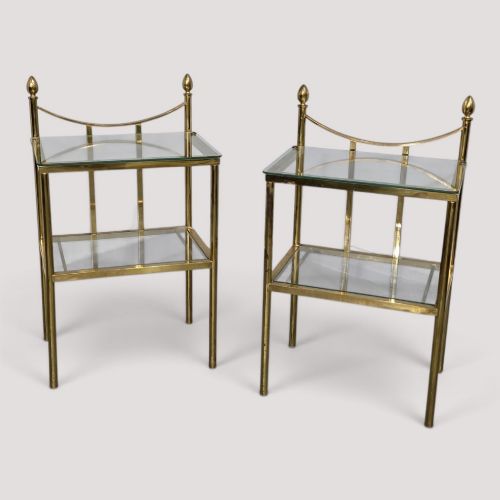
The selection spans numerous eras beyond the mid twentieth century, drawing on 18th century French oak, 19th century burr walnut, and Georgian mahogany alongside 1930s brass and glass combinations. This mix of periods provides buyers with both straightforward wooden utility pieces and decorative metal and glass lamp tables.
How they were made
Construction relies on a combination of metals, stones, and varied timbers shaped into robust frames and surfaces. Workshops utilise brass, steel, and gilt metal alongside slate, marble, and glass to create supporting structures and table tops.
Cabinetmakers and metalworkers employ traditional joinery and casting methods, pairing materials like burr walnut, oak, rosewood, and mahogany with turned or bolted metallic supports. Finishes include gilded decoration, lacquer, and natural grain polishing.
Mid Century End Table Retail Price Guide 2026
Typical asking prices for mid century end table among the pieces listed under this phrase on Sellingantiques today, from the lower quarter to the upper quarter. They describe what is for sale here now, not the wider market.
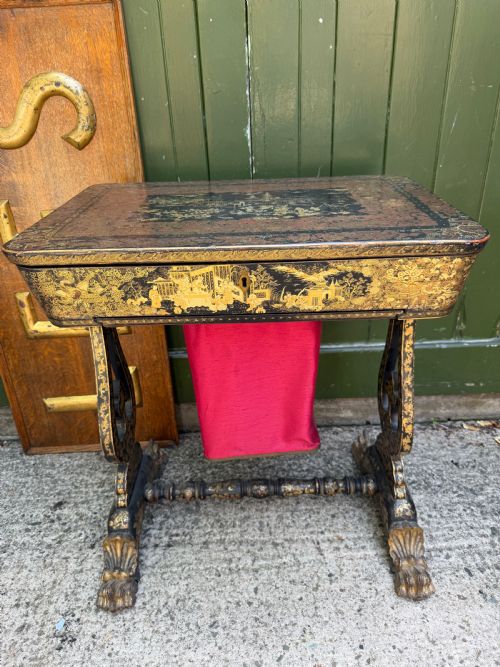
Need a surface for sewing or ladie’s work? An 1860 Chinese Export lacquer table solves the problem with hidden compartments and gilded charm.
What varies in quality
Quality rests in the selection of materials and the precision of the construction, distinguishing straightforward utilitarian items from finer decorative works. Superior examples feature well-figured timbers such as burr walnut or Indian rosewood, alongside heavy cast brass and integrated stone or slate tops.
The refinement of decorative details, including gilded elements, turned woodwork, and structural joinery, sets apart the more ambitious pieces. Simpler pine, oak, or Lloyd loom items prioritise functional domestic utility over ornamental complexity.
Mallett·James Winter & Sons·Peter Ghyczy
The Mid Century End Table Glossary
- Side table
- A small table designed to stand against a wall or beside seating to hold small objects. These pieces often function as lamp tables or occasional surfaces.
- Etagere
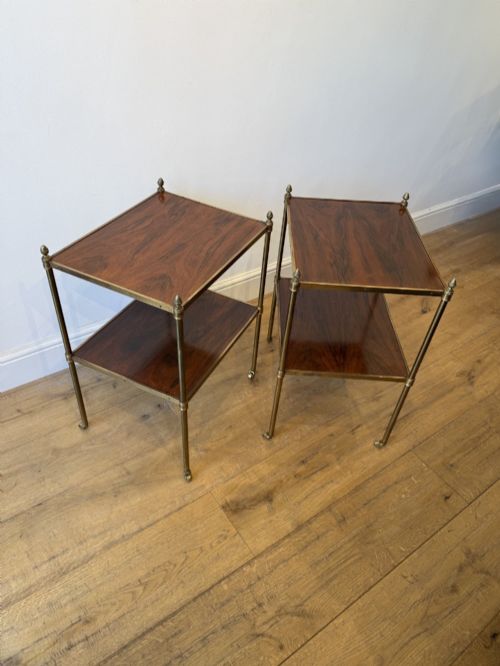
- A piece of furniture with multiple tiers or shelves for displaying small objects. Pairs of these tiered open stands appear frequently in mid-period metal and glass formats.
- Centre table
- A freestanding table designed to be viewed from all sides, typically placed in the middle of a room. Larger examples frequently utilise burr walnut or pollard oak.
- Dropleaf table
- A table featuring hinged flaps on the sides that fold down to save space. Georgian and earlier iterations provide compact surfaces with fitted drawers.
- Butcher’s block
- A heavy wooden block traditionally utilised for food preparation, mounted on a supporting stand. Mid twentieth century variants offer robust industrial utility.
Mid Century End Table: Frequently Asked Questions
What materials are used?
The pieces utilise a wide range of materials including brass, glass, steel, rosewood, pine, oak, slate, and gilt metal. Stone inserts such as verde marble also appear alongside traditional hardwoods like mahogany and walnut.
Surfaces often combine these elements, pairing metal frames with glass tops or wooden frames with slate and marble inserts.
How were they used?
These tables served primarily as compact functional surfaces for domestic interiors, functioning as lamp stands, sewing tables, or occasional resting places for drinks and books. Nested sets provided flexible surface area that could be expanded when needed.
Specialised forms like etageres held decorative objects, while centre tables stood freestanding to display ornamental items in principal rooms.
How do I live with them?
Integrating these tables into a modern room involves placing them beside armchairs or sofas to act as practical landing spots for daily items. Their compact proportions allow them to fit easily into smaller corners or alongside larger seating arrangements without cluttering the floor space.
Care simply involves dusting wooden surfaces regularly and treating metal and glass frames with appropriate non-abrasive cleaners to maintain their finish.
How do I identify periods?
Identifying the period requires examining the combination of materials, construction techniques, and stylistic markers present in the frame. Pieces from the eighteenth and nineteenth centuries rely on heavy hardwoods and hand-cut joinery, whereas twentieth century examples incorporate steel, plate glass, and tubular brass.
Stylistic cues also point to the era of manufacture, moving from Georgian mahogany drop-leaves to 1930s glass tiers and mid-century industrial stands.