


Mid Century Drawing
A mid century drawing brings the immediacy of the artist's hand into a room, offering direct insight into 20th-century artistic thought through rapid line and tone.
Mid Century Drawing
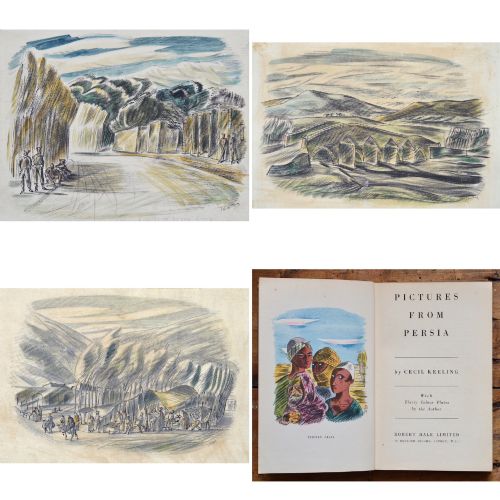
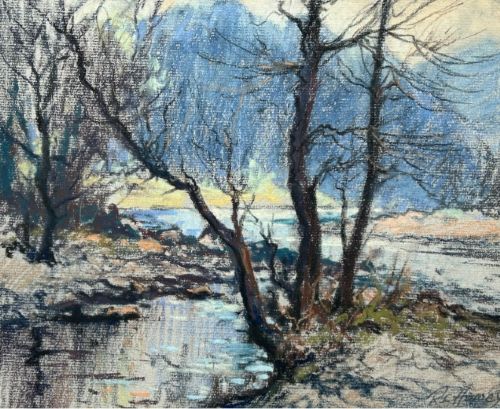
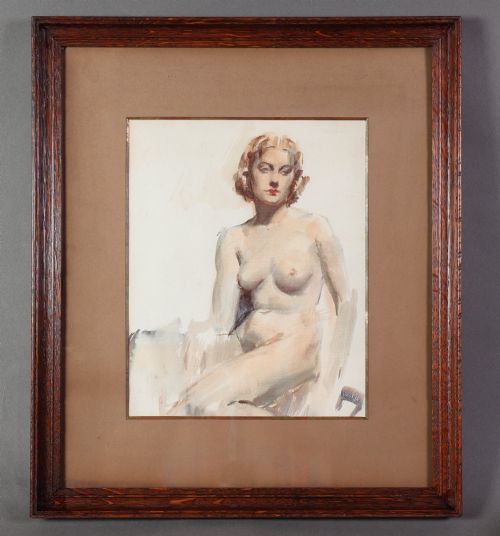
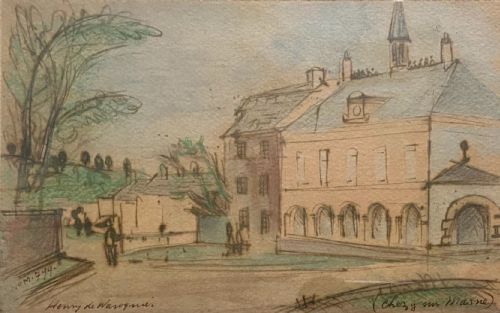
When you search for a mid century drawing, you encounter original works on paper spanning portraits, landscapes, and architectural studies produced across the decades. The selection often highlights British and European output from the 1930s through to the 1960s, capturing shifting attitudes towards realism and abstraction.
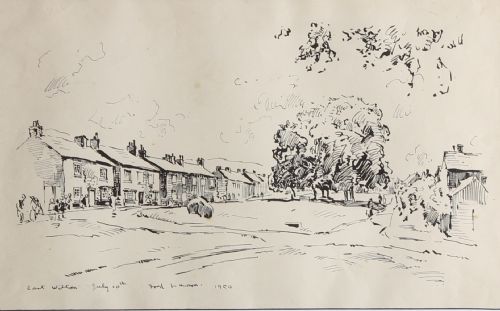
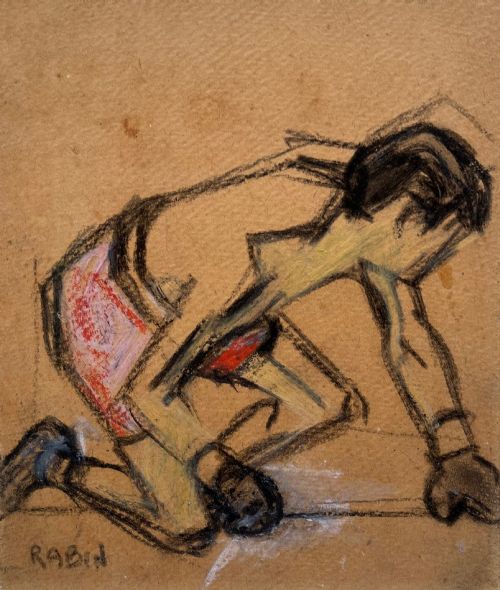
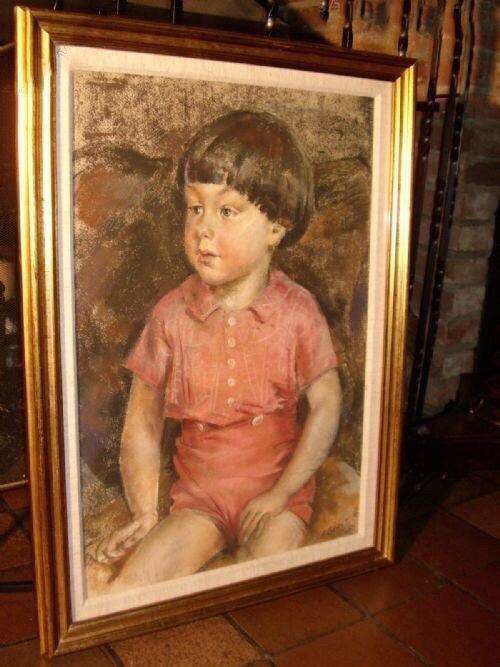
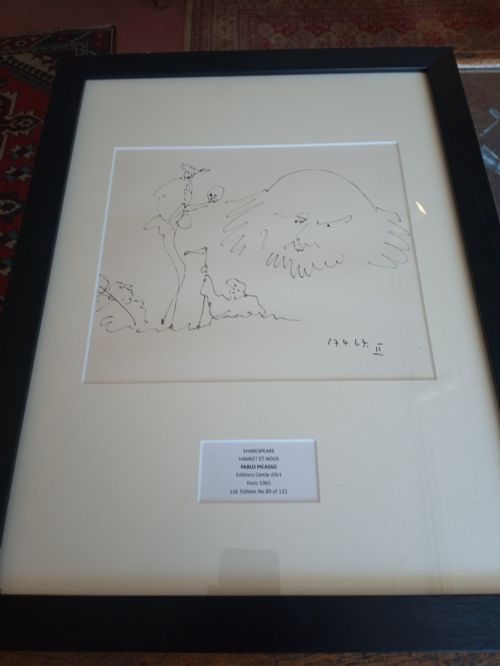
Most pieces on this page emerge from artists' studios, sketchbooks, and wartime records, showing both finished compositions and rapid preliminary studies. You find mediums ranging from loose ink sketches to worked pastels, reflecting how makers recorded their immediate surroundings.
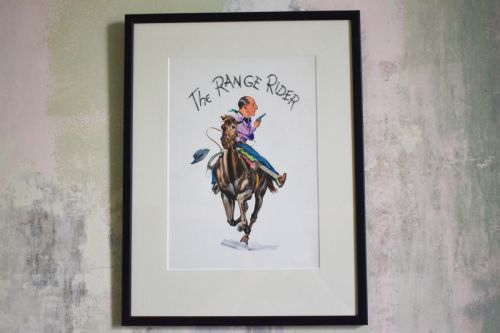
The objects take various forms, from framed gallery wall art to intimate notebook sheets preserved behind glass. Mid-century works sit comfortably alongside occasional 19th-century academic life studies and Victorian pencil portraits, giving the category considerable historical breadth.
How they were made
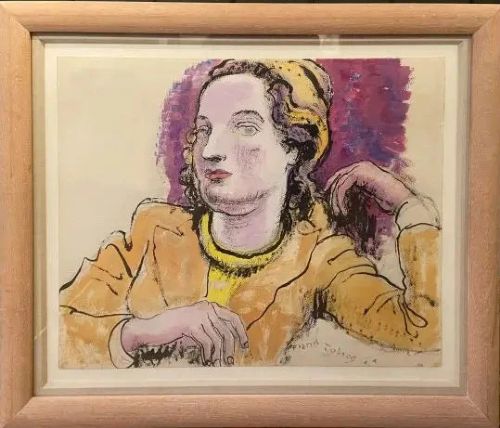
Artists relied primarily on paper supports, utilising graphite, ink, pastel, gouache, and watercolour to build their compositions. Quick gesture drawings often employed simple pencil or pen lines, while more finished works layered chalk or bodycolour to achieve depth and texture.
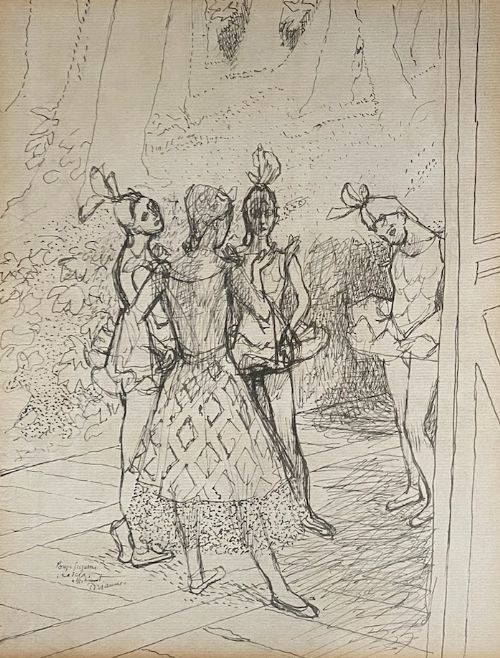
Many sheets show the artist working directly from life, whether capturing a dancer backstage, an architectural view of a townscape, or an anatomical study in charcoal. The physical handling of the medium - from the soft smudge of a pastel to the crisp stroke of pen and ink - reveals the speed and confidence of the execution.
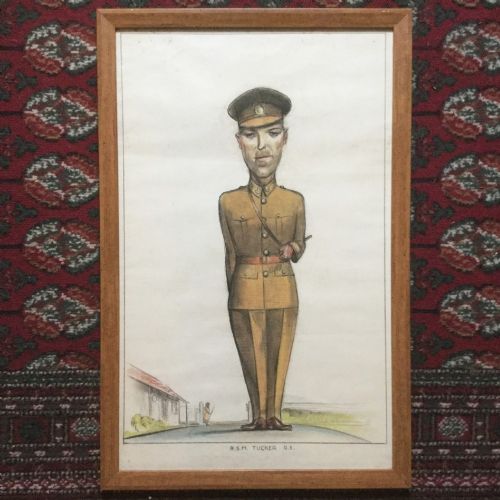
Cats, monks, ballet dancers, and military officers frequently share the same sketchbook space, proving that draughtsmen drew whatever crossed their path.
What varies in quality
Quality rests upon the sureness of the line and the economy of means used to capture the subject. A confident, decisive stroke demonstrates the maker's mastery over the medium, whereas hesitant marks lack the same visual authority.
The condition of the paper surface and the preservation of fugitive pigments like pastel or watercolour significantly influence a work's integrity. Strong tonal contrast and well-balanced composition separate hasty marginalia from resolved, purposeful works of art.
Cecil Keeling·Robert Leslie Howey·Fred Lawson·Maurice Brianchon·Frank Dobson·James Stroudley·Samuel Rabin·John Rattenbury Skeaping·Elisabeth Frink·James Tower·John Hobson Nicholson·John Merrifield·Michael Lyne·J W Hogley·Raoul Millais·Denis William Reed·Lucien Freud·Robert Faulkner·Dennis Flanders·Harry Epworth Allen·Angus Rands
The Mid Century Drawing Glossary
- Gouache
- An opaque watercolour paint mixed with a binding agent, producing a flat, matte finish that allows for bright highlights and dense colour blocks.
- Academic Realism
- A style of painting and drawing produced under the influence of European academies of art, prioritising accurate anatomy and traditional draftsmanship.
- Mixed media
- An artwork combining two or more distinct artistic materials, such as ink, watercolour, and pastel used together on a single sheet of paper.
- Triptych
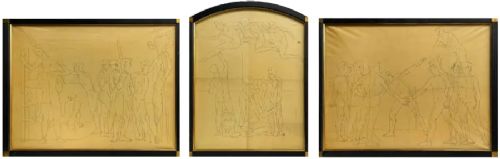
- A work of art divided into three sections or panels, often hinged or framed together to tell a sequential story or present a unified theme.
Mid Century Drawing: Frequently Asked Questions
How should I frame an old paper drawing?
Use acid-free mounting materials and conservation-grade backing to prevent the paper from discolouring over time. Keeping the sheet away from direct sunlight protects vulnerable pigments like watercolour and pastel from fading.
Ensure the drawing does not touch the glass directly by using a mat or spacers. This prevents moisture accumulation and protects the delicate surface media.
How do I distinguish a sketch from a finished work?
Sketches usually show visible construction lines, rapid corrections, and shorthand notations intended for the artist's private reference. They capture a fleeting movement or initial idea with great economy.
Finished works display a higher degree of tonal resolution, deliberate composition, and careful attention to edges. These pieces were clearly intended for exhibition or direct sale.
Can I hang drawings in bright rooms?
Works on paper are sensitive to ultraviolet light, which causes watercolours, inks, and pastels to fade permanently. Place them on interior walls away from direct sunlight.
Ask your framer to install UV-filtering glass to provide an essential layer of defence. Rotating pieces periodically also minimises exposure risks.