






Mid Century Display Shelf
A mid century display shelf brings character and layered storage to a room, offering a practical stage for books and ornaments.
Mid Century Display Shelf
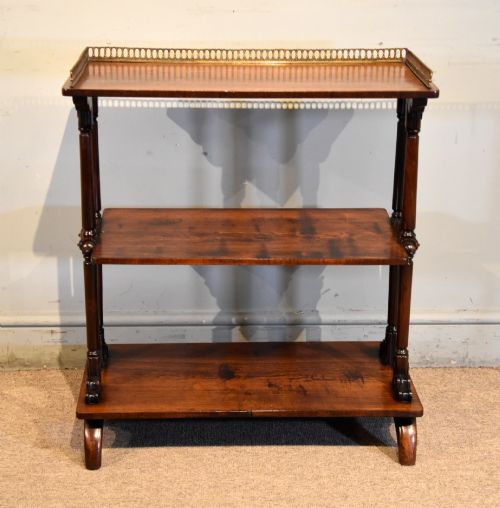
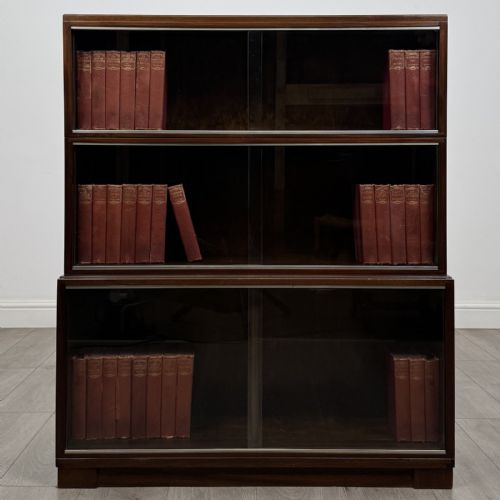
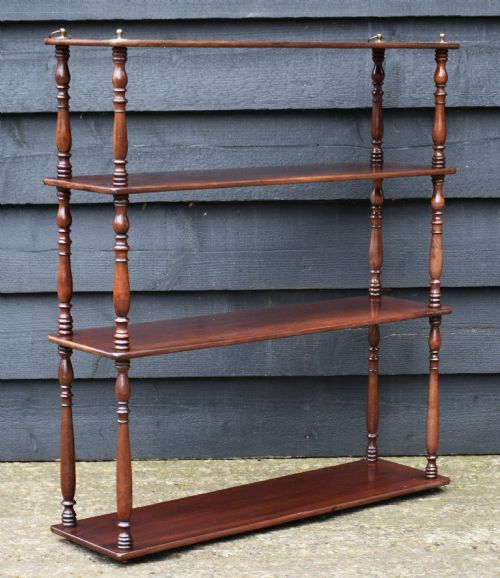
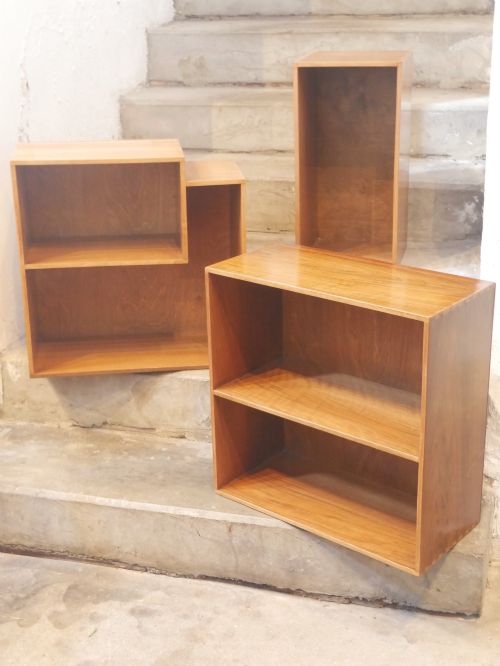
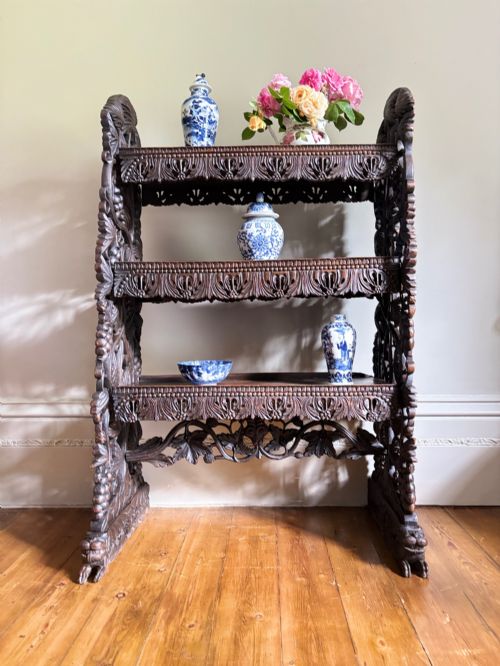
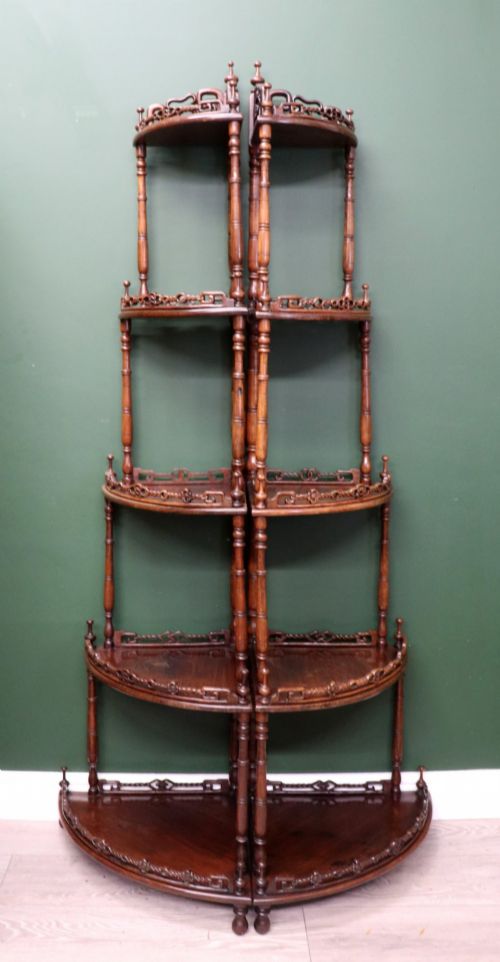
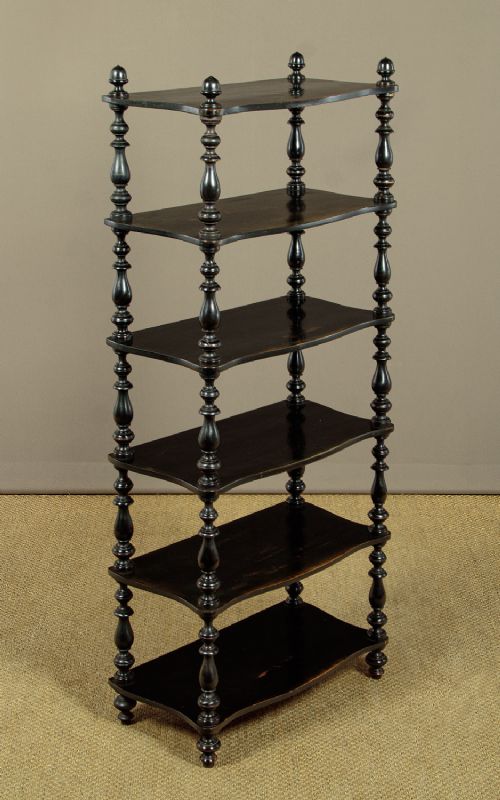
A mid century display shelf gathers varied forms such as etageres, whatnots, bookcases, and tiered stands designed to hold objects in view. These items range from sturdy oak open bookcases to delicate brass-mounted etageres in the French manner.
The selection on this page spans several historical periods, heavily featuring mid-19th-century mahogany and rosewood pieces alongside Edwardian oak, 1930s boxes, and Victorian walnut examples. Anglo-Indian padauk and birdseye maple appear alongside simpler industrial metal tables and glass tiered stands.
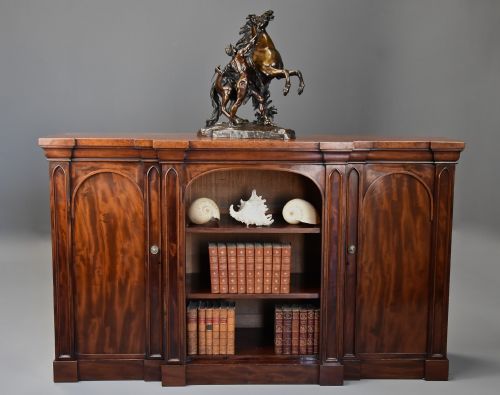
Buyers look for these display units to organise books, display collections, or fill corners with structured timber and glass framing. The forms include wall brackets, corner whatnots, central standing buffets, and grand breakfront bookcases.
Materials and construction
Cabinetmakers built these shelves using dense hardwoods like mahogany, rosewood, walnut, and padauk, often finished with polished surfaces or wood veneer. Plywood and oak also support simpler utility and bookcase forms from later decades.
Decorative detailing relies on brass mounts, carved pine, ebonised elements, and glazed doors to frame the contents. Construction techniques vary from multi-tiered stacked platforms supported by turned columns to wall-mounted brackets and fitted dome-top cabinets.
Mid Century Display Shelf Retail Price Guide 2026
Typical asking prices for mid century display shelf among the pieces listed under this phrase on Sellingantiques today, from the lower quarter to the upper quarter. They describe what is for sale here now, not the wider market.
Listings feature 19th-century rosewood, mahogany, and walnut alongside Edwardian oak and 1930s glass and metal.
Quality and craftsmanship
The distinction between standard utility furniture and top-tier cabinet work lies in the choice of timber and the precision of assembly. Figured woods like birdseye maple and finely grained rosewood indicate high workshop standards.
Design ambition separates basic shelving from pieces attributed to notable makers or specific architectural commissions. Brass mounts, intricate carving, and harmonious proportions elevate a piece from a simple storage unit to a focal point.
Sir Charles Barry·Druce & Co·Holland & Sons·Heals
The Mid Century Display Shelf Glossary
- Étagère
- A set of open shelves for displaying small ornaments or books, popular in various 19th-century revivals. These tiered stands allow items to be viewed from multiple angles.
- Whatnot
- A multi-tiered piece of freestanding furniture used for storage and display in domestic interiors. They frequently feature three to six ascending platforms supported by slender columns.
- Breakfront
- A piece of furniture whose central section projects forward from the flanking wings. This architectural arrangement creates depth and visual rhythm in large bookcases and cabinets.
- Pier cabinet
- A low cabinet designed specifically to stand against the wall space between windows. They often incorporate glazed doors to protect prized collections while keeping them visible.
Mid Century Display Shelf: Frequently Asked Questions
What is an etagere?
An etagere is an open-shelved display unit with multiple tiers designed to hold ornaments and small objects. These pieces stand independently and allow items to be viewed from all sides.
First popularised in France, they evolved into essential drawing-room furniture across the 19th century in various revival styles.
How do I style a display shelf?
A display shelf works best when balancing books arranged vertically and horizontally with decorative ceramics and glassware. Varying the heights of objects across the tiers prevents the shelving from looking cluttered.
Allowing open space around special pieces helps draw the eye to individual items of timber or brass.
Are these shelves sturdy enough for heavy books?
Solid hardwood bookcases and multi-tiered stands built from mahogany, oak, or walnut offer robust support for heavy volumes. Open etageres and glass-and-brass stands suit lighter collections and decorative items.
Checking the tier construction and wall-mounting options helps determine the weight capacity of older pieces.