
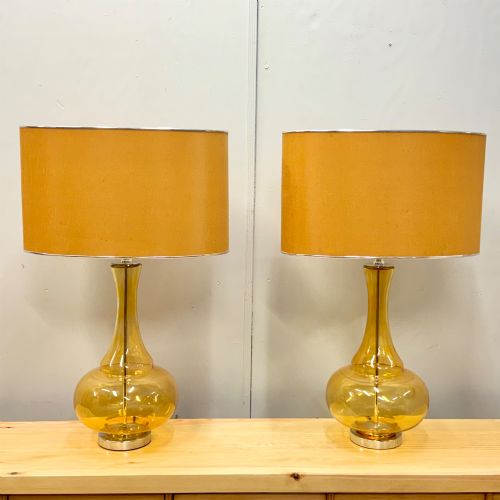
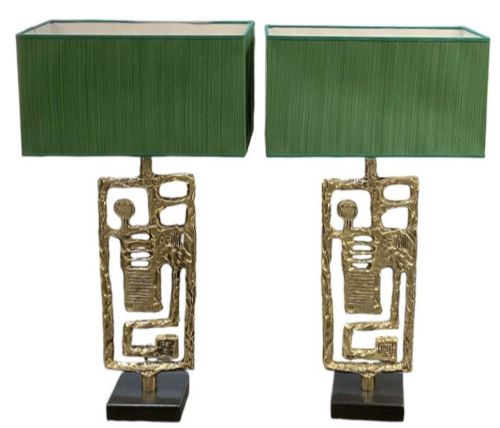
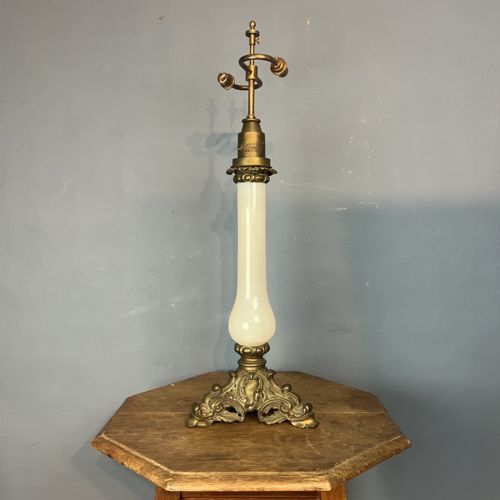


Mid Century Desk Lamp
A mid century desk lamp brings industrial form and clean lines to a workspace, offering functional task lighting rooted in twentieth-century design.
Mid Century Desk Lamp
A mid century desk lamp encompasses task and reading lighting originating primarily from the 1930 and 1960 periods, drawing upon modernist and Art Deco traditions. These fixtures combine directional utility with architectural silhouettes suitable for study tables and executive desks.
The selections available here range from Machine Age chrome creations to sculptural glass and metal pieces. Buyers frequently encounter streamlined chrome structures and polished metallic finishes designed for focused illumination.
While broader categories include various lighting and side furniture, a dedicated mid century desk lamp prioritises metallic construction, adjustable angles, and unornamented utility. They reflect the industrial progression of their respective decades.
How they were made
Construction relies heavily on structural metals such as chrome and brass, often paired with opaline glass shades to diffuse light evenly. These materials provide both the necessary mechanical rigidity for adjustable arms and a polished aesthetic finish.
Makers utilised plated metals and turned brass components to achieve durable surfaces that resist daily wear on a workspace. The integration of glass elements requires precise fitting into metal collars to secure shades without cracking under heat.
Desk lamps from this era often conceal their switches in the most stubborn places, turning routine illumination into a tactile puzzle.
What varies in quality
Quality separates mass-produced utility items from substantial studio pieces through the weight of the base and the precision of the metal joints. Superior examples maintain structural balance without tipping when extended, using heavier gauge chrome or solid brass.
The finish of the metal and the integrity of any integrated glass components dictate the overall standard. Original plating and unmarked glass shades demonstrate higher manufacturing standards than later replacements or crude repairs.
Angelo Brotto for Esperia·Jaeger Le Coultre
The Mid Century Desk Lamp Glossary
- Chrome
- An electroplated metal finish providing a bright, reflective surface characteristic of twentieth-century industrial design. It resists corrosion while offering a sleek appearance.
- Opaline glass
- A milky, semi-translucent glass used for lamp shades to soften and diffuse bulb glare. It creates an even spread of light across a work surface.
- Machine Age
- A design style from the early twentieth century celebrating industrial efficiency, streamlined geometry, and unadorned metal. It heavily influenced functional lighting forms.
- Art Deco
- A decorative style emphasising stylised symmetry, geometric patterns, and rich materials like gilt brass. It bridges traditional craftsmanship and modern manufacturing.
Mid Century Desk Lamp: Frequently Asked Questions
How do I clean a chrome desk lamp?
Use a soft, dry microfibre cloth to remove dust from metal surfaces and chrome plating. Avoid abrasive cleaners that can scratch the polished finish or damage vintage lacquers.
For glass shades, remove them carefully and wash them in lukewarm soapy water. Ensure every component is completely dry before reassembling or plugging the fixture back in.
How do I date a modernist lamp?
Examine the materials, switches, and construction techniques used in the base and shade. The presence of specific metals like 1930s chrome or 1960s sculptural glass points directly to the era of manufacture.
Patina on the brass components and the style of the plug or wiring can also offer clues. Comparing the silhouette to documented modernist designs helps confirm the period.
Where should I place a desk lamp?
Position the lamp on the opposite side of your writing hand to minimise shadows across your workspace. Adjustable arms allow you to direct the beam precisely where task lighting is needed most.
Keep the fixture away from areas prone to moisture or excessive heat. A sturdy desk with adequate surface area ensures the weighted base remains secure during adjustment.