



Mid Century Country Landscape
When you search for mid century country landscape, you find evocative rural scenes captured by mid-century artists.
Mid Century Country Landscape
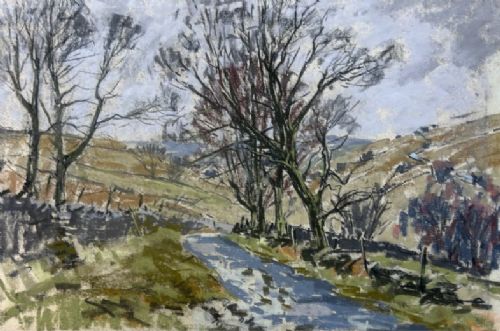
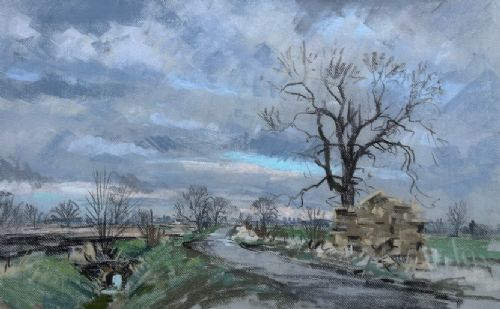
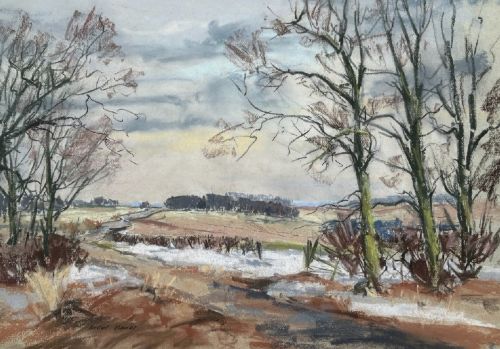
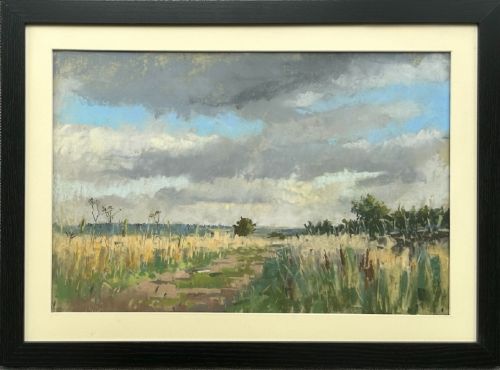
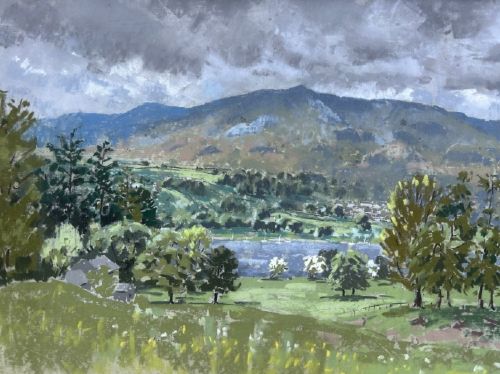
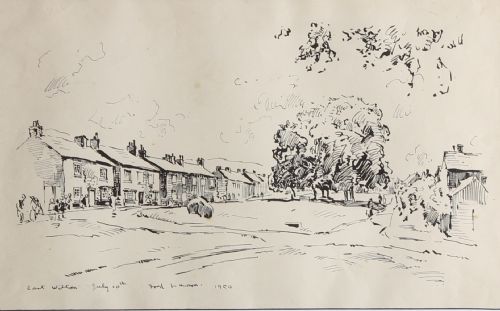
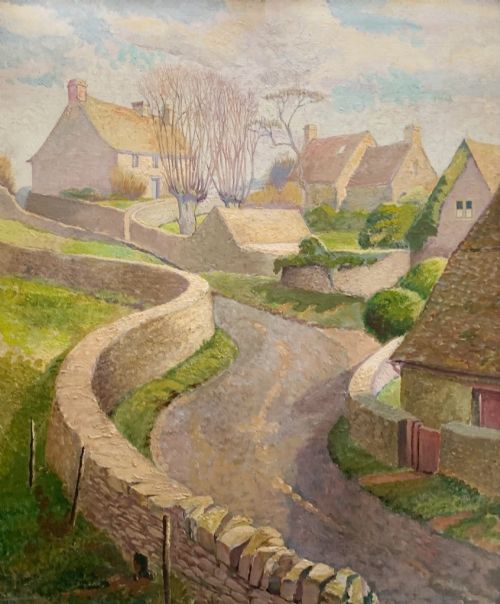
A mid century country landscape captures rural life, rolling farmland, and quiet villages primarily through the artistic lenses of the mid-twentieth century. These works range from spontaneous watercolours to substantial canvases depicting agricultural valleys and country lanes.
The versions most frequently met on this page date from the nineteen-fifties and nineteen-sixties, aligning with the mid-century modern and British impressionist movements. Painters of this era often focused on regional British countryside views, capturing specific locales from Yorkshire to Kent with direct observation.
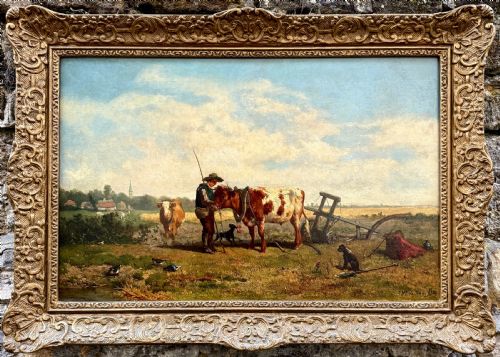
Alongside purely mid-century creations, the selection occasionally encompasses earlier nineteenth-century interpretations of the same rural themes. These earlier pieces provide a historical dialogue with the post-war works, showing how artists continually returned to the pastoral idyll.
Materials and methods
Painters relied heavily on oil paint applied to canvas, board, or heavy paper, which allowed for rich textures and layered colour mixing. This medium supported both thick, impressionistic brushwork and more carefully controlled studio compositions.
Watercolour and pastel also played a significant role, particularly for artists working swiftly outdoors to capture immediate atmospheric effects. These works on paper or card demonstrate a lighter hand, utilising the white of the support to bring luminosity to skies and fields.
Supports varied according to the artist's working method, with board offering a rigid surface for outdoor sketching and stretched canvas providing durability for larger studio pieces. Framing often involved simple wood mouldings that complemented the natural tones of the landscape.
Mid Century Country Landscape Retail Price Guide 2026
Typical asking prices for mid century country landscape among the pieces listed under this phrase on Sellingantiques today, from the lower quarter to the upper quarter. They describe what is for sale here now, not the wider market.
Several canvases manage to capture the exact shade of grey that only British sheep possess on a damp Tuesday.
Assessing quality and execution
Quality rests primarily upon the artist's brushwork confidence and their ability to convey atmosphere and light. A successful composition uses tone and colour to create depth, drawing the viewer into the rural space rather than relying on flat representation.
The handling of paint is a crucial differentiator, separating hastily produced decorative items from thoughtfully observed artistic studies. Works that show deliberate mark-making and a sensitive palette hold greater visual engagement.
Provenance and clear attribution to known regional artists elevate a piece beyond anonymous school work. The specificity of location, whether a named Yorkshire farmyard or a Kentish lane, often reflects the painter's direct connection to the subject.
Fred Lawson·Harry Freckleton·William JB Jenkins·John Hobson Nicholson·Louie Stanley Maurice Prince·John Frederic Greenwood·Phyllis Morgans·Molly Maurice Latham·Jack R Mould·Sonia Lawson·Stanley Orchart·Alastair Flatterly·Arthur Bateman·Percy Hipkiss·Jack Cross·William Burns·Georgina Lara·Angus Rands·David Cox
The Mid Century Country Landscape Glossary
- Impressionism
- A style of painting that focuses on capturing the visual impression of a moment, especially regarding shifting light and colour. Artists using this approach typically employ visible brushstrokes and unblended pigments.
- Board
- A rigid flat panel, often made of wood pulp or masonite, used as a painting support instead of stretched canvas. It provides a stable surface that resists puncture and suits outdoor sketching.
- Watercolour
- A paint consisting of pigment suspended in a water-soluble vehicle, traditionally applied to paper. It relies on transparency and washes to create luminous, delicate effects.
- Provenance
- The chronology of the ownership, custody, or location of a historical object. Documented origins help establish authenticity and connect the artwork to the artist's studio.
- Post-Impressionism
- A predominantly French art movement that developed from Impressionism, extending its limitations while rejecting its constraints. Practitioners emphasised symbolic content, formal order, and structural clarity.
Mid Century Country Landscape: Frequently Asked Questions
What defines a mid century country landscape?
These artworks depict rural scenes, farms, and villages created predominantly between the nineteen-thirties and nineteen-sixties. They reflect regional topographies and post-war artistic movements.
They utilise mediums such as oil on board and watercolour to capture the changing light and character of the British countryside.
How do I display these paintings?
These works suit traditional and modern interiors alike, bringing a sense of calm and natural history to domestic spaces. Simple wooden frames often complement their rustic subject matter.
Position them away from direct sunlight to protect pigments, particularly watercolours and pastels on paper.
Were these painted outdoors?
Many mid-century artists worked en plein air, sketching directly from nature using portable boards and watercolours. These initial studies often informed larger studio canvases.
Studio pieces combined outdoor observations with compositional work to create finished landscapes.
How can I identify the period?
Stylistic cues such as post-impressionist brushwork, a muted mid-century palette, and framing materials help indicate the era. Signatures and inscriptions on the reverse often provide exact dates.
Comparing the techniques with known works by regional artists assists in narrowing down the timeline.