

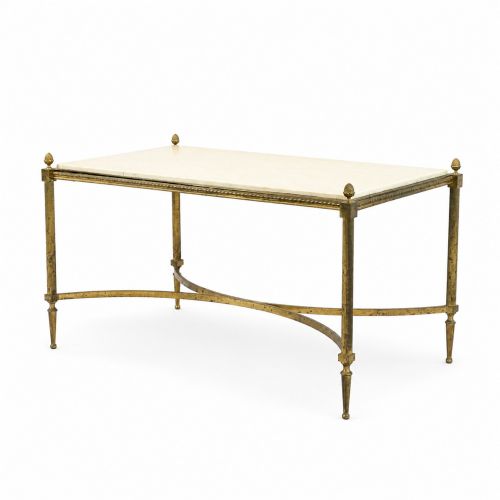


Mid Century Cocktail Table
A mid century cocktail table brings practical surface space and distinct period character together in a sitting room.
Mid Century Cocktail Table
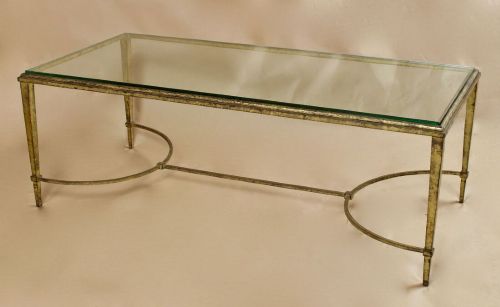
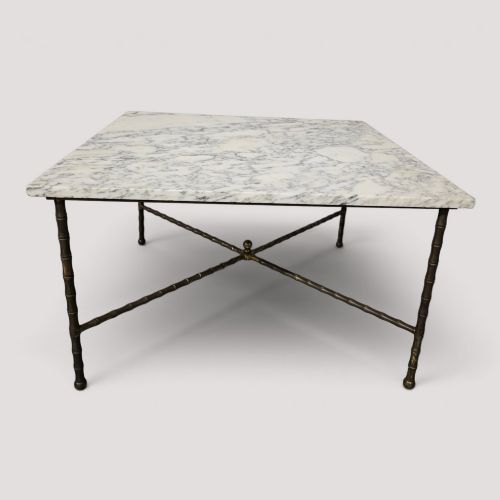
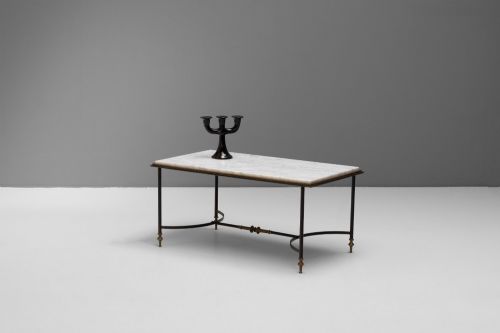
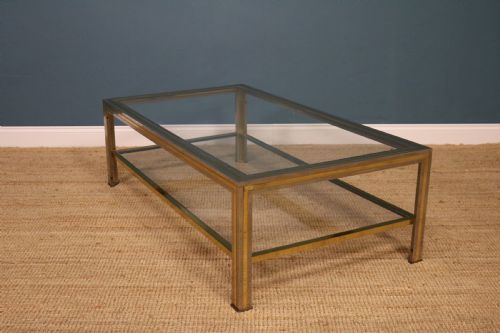
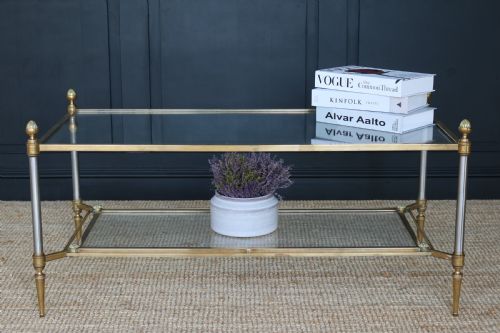
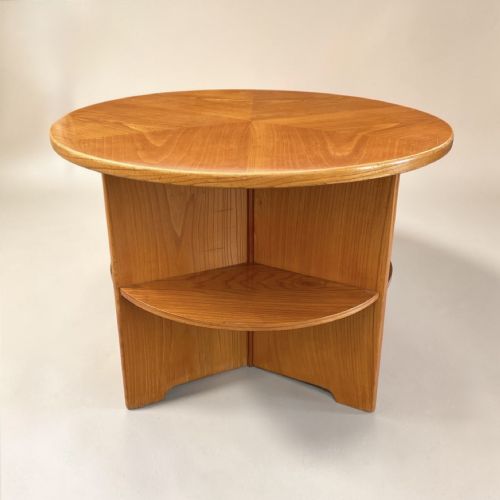
A mid century cocktail table typically takes the form of a low coffee table, appearing in designs that span from the nineteen twenties and nineteen thirties through to the nineteen sixties. These low tables serve central functions in seating arrangements, offering surfaces suited for drinks, books and decorative objects.
The selections gathered here encompass various historical periods, including nineteenth century examples alongside pieces from the nineteen twenties, thirties, forties, fifties and sixties. Styles range from Mid-Century Modern and Hollywood Regency to French Provincial, Neoclassical and Chinoiserie.
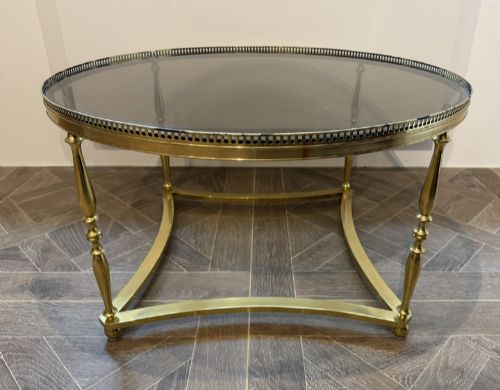
Makers and design influences represented in these listings include Maison Jansen, Maison Bagues, Masion Ramsay, Romeo Rega and Ernest Hemingway collections. Alongside standard coffee tables, forms include circular coffee tables, low tables and specific specimen or globe surfaces.
Materials and Construction
Construction relies heavily on metals such as brass, bronze, chrome and wrought iron, frequently paired with glass, mirror and marble tops. Wood and wood veneer, including rosewood, provide sturdy structural frameworks and rich surface textures for many tables.
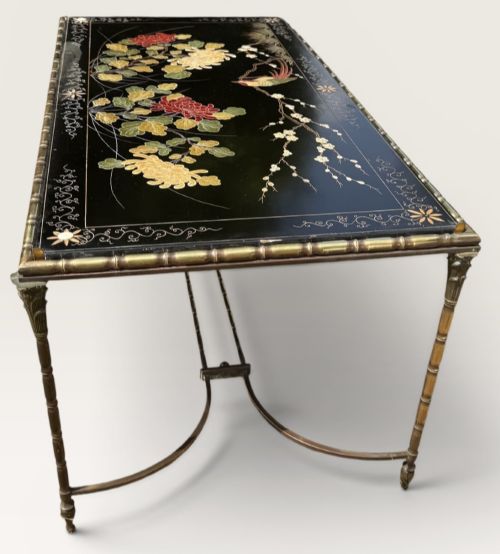
Specialist techniques define the decorative surfaces, featuring raised relief detail on lacquer panels and intricate specimen stone tops. These material combinations reflect both European workshop traditions and Asian styles adapted during the twentieth century.
Mid Century Cocktail Table Retail Price Guide 2026
Typical asking prices for mid century cocktail table among the pieces listed under this phrase on Sellingantiques today, from the lower quarter to the upper quarter. They describe what is for sale here now, not the wider market.
Listings feature periods from the nineteenth century through the nineteen sixties, utilising brass, marble, glass, wrought iron, chrome and lacquer.
Assessing Quality and Execution
Quality in these low tables rests upon the substance of the primary frame and the integrity of the top surface, whether polished marble, mirrored glass or detailed lacquer. Heavier metals and precise joinery distinguish finer workshop production from simpler commercial output.
Attribution to recognised makers or notable design circles elevates certain pieces, as seen in structured bronze frames and bespoke chinoiserie decoration. The crispness of raised relief work and the finish on brass and chrome components indicate the level of craftsmanship involved.
Maison Jansen·Maison Bagues·Masion Ramsay·Romeo Rega·Macabo
The Mid Century Cocktail Table Glossary
- Veneer
- A thin layer of wood applied to a base material to provide a decorative surface figure. This technique allows cabinetmakers to utilise striking grain patterns across flat tabletops.
- Lacquer
- A durable finish applied in multiple coats and polished to a smooth sheen. It frequently appears on Asian style pieces featuring raised relief details.
- Specimen Top
- A decorative surface composed of various pieces of marble or stone arranged in geometric or pictorial patterns. These tops demand precise cutting and fitting by skilled lapidaries.
Mid Century Cocktail Table: Frequently Asked Questions
What defines a mid century cocktail table?
A mid century cocktail table is a low surface designed for living areas, encompassing styles from the nineteen twenties to the nineteen sixties. These tables function as central furniture pieces in a room.
They appear in materials like brass, marble, glass and rosewood, reflecting design movements such as Hollywood Regency and Mid-Century Modern.
How do I care for a marble top table?
Marble top tables require regular dusting with a soft cloth and immediate cleaning of liquid spills to prevent staining. Avoid acidic cleaners that can etch the polished stone surface.
Using coasters and mats helps protect the natural material from rings and marks during daily use.
Are these tables suitable for small rooms?
Low tables with glass or mirrored tops work particularly well in compact spaces because reflective surfaces bounce light around the room. Their low profile keeps sightlines open across the seating area.
Circular formats also help maintain easy movement paths in tighter layouts.
How do I identify different design styles?
Style identification depends on specific material combinations and decorative motifs present in the piece. Wrought iron and marble often point toward French provincial origins, while polished brass and clean lines suggest mid-century modern or regency influences.
Lacquer finishes and raised relief details typically indicate Chinoiserie or Asian styles.