


Mid Century Canvas
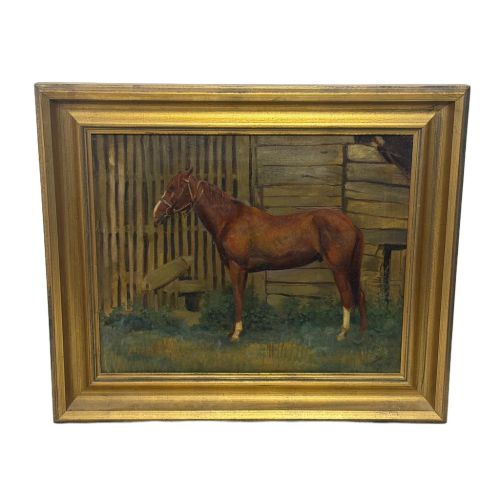
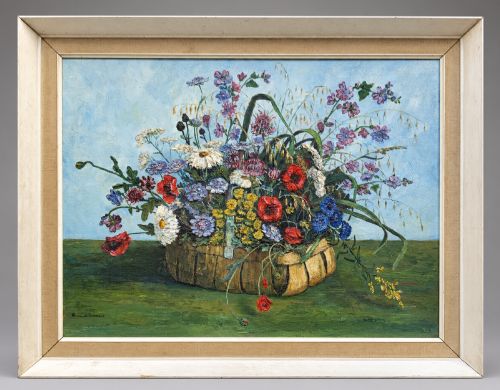
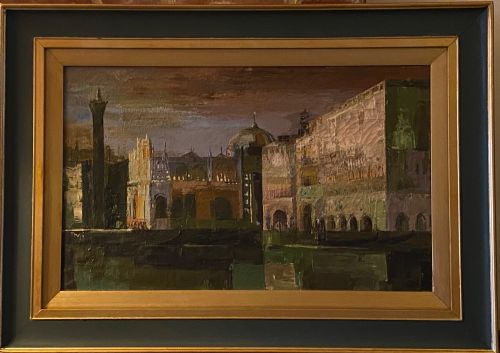
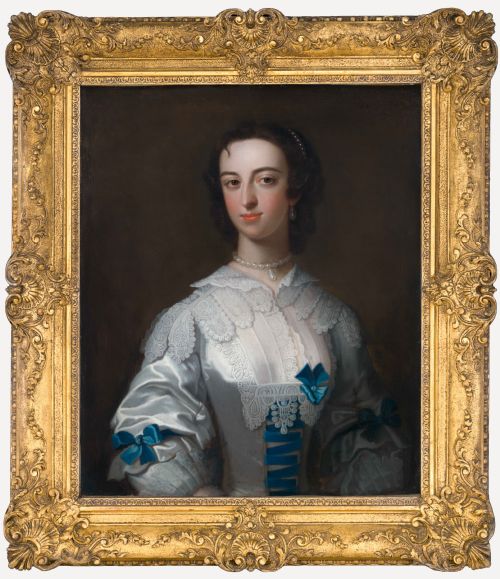
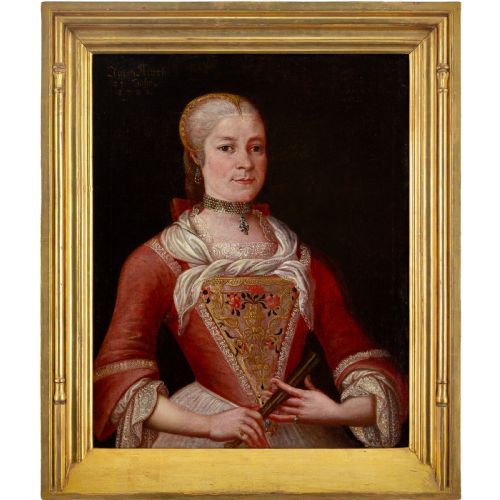
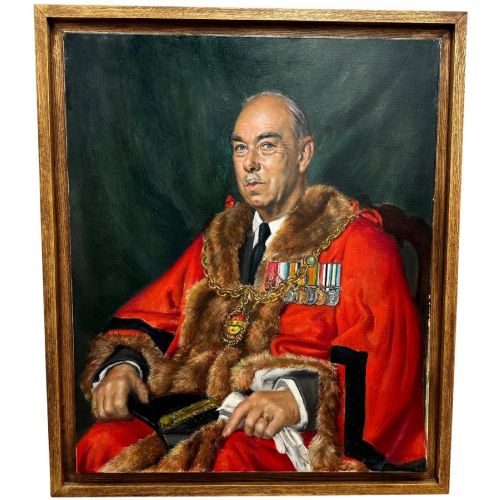
Mid century canvas works span vibrant landscapes and intimate portraits executed in oil.
Mid Century Canvas
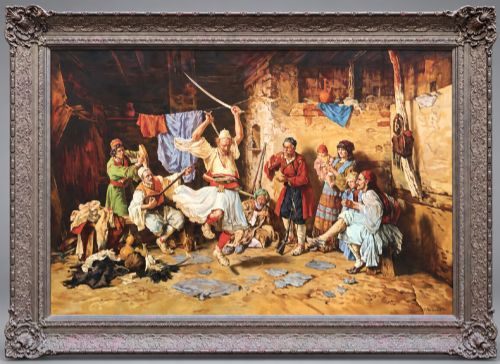
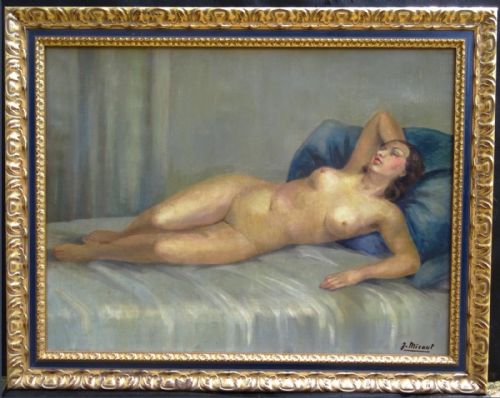
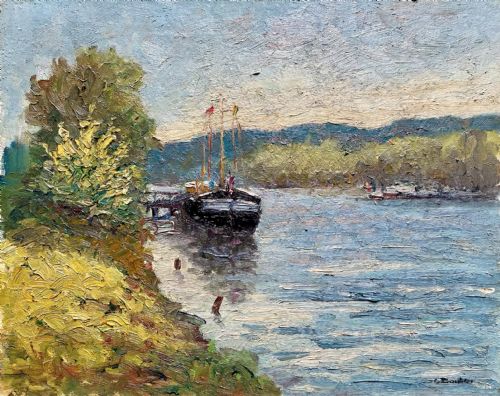
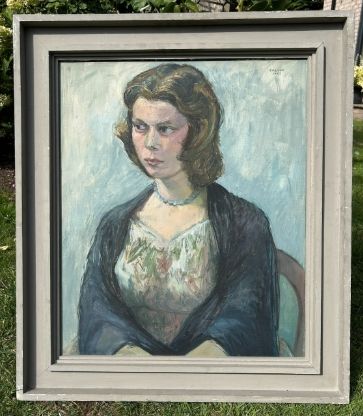
Mid century canvas items encompass framed oil paintings, portraits, and coastal or canal landscapes originating largely from the 1950s and 1960s. These works frequently embody Mid-Century Modern, Modern British, and Impressionist aesthetics that reflect the shifting artistic currents of the period.
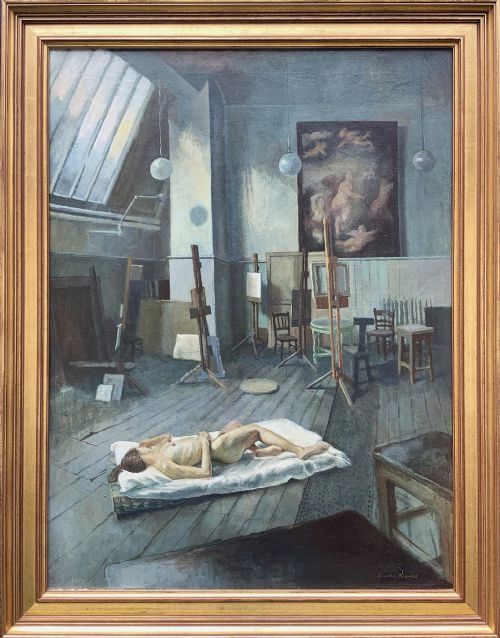
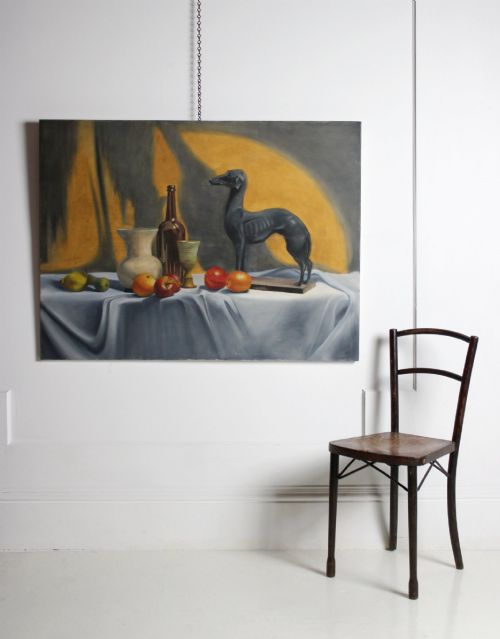
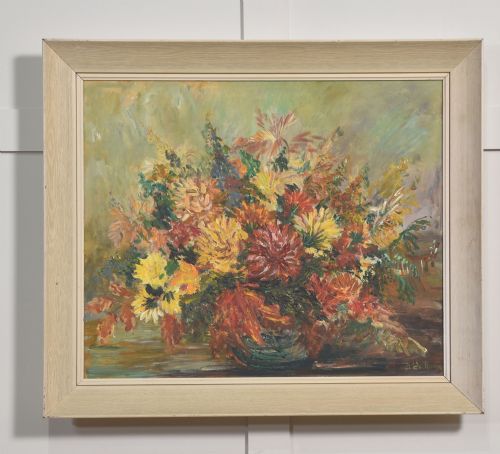
Buyers will encounter various formats ranging from expansive interior scenes and still lifes of florals to naive outsider art and maritime views. Works span British, French, Italian, and Dutch schools, showcasing both signed compositions by recognised painters and evocative pieces by regional creators.
Materials and construction techniques
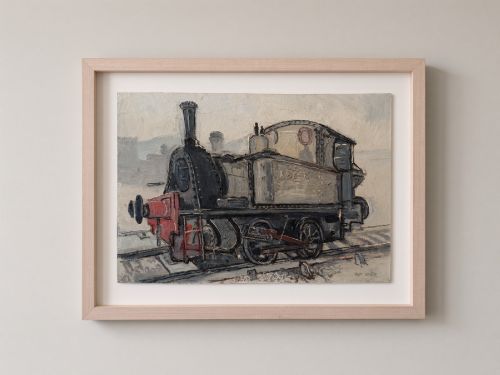
The primary medium recorded is oil paint applied directly onto stretched canvas, occasionally supported by rigid board panels or accented with gilt frames. Artists utilised traditional bristle brushes and palette knives to build texture, depth, and luminosity across the pictorial surface.
Support materials include woven textile canvas stretched over wooden frames, providing stability for the oil pigments. Many surviving examples retain their period frames, which often feature swept gilt ornamentation or simple wooden mouldings suited to the mid-century aesthetic.
Listings span works executed on woven canvas, rigid board supports, and heavy oil paint applications dating from the 1920s through the 1960s.
Distinctions in quality
Quality diverges significantly between hurried decorative output and confident handling by trained painters with established exhibition records. Masterful brushwork, convincing spatial depth, and a coherent palette distinguish superior compositions from more formulaic student or regional exercises.
The condition of the pigment layer and the original tension of the canvas also dictate standard. Works retaining crisp impasto, stable varnishes, and minimal craquelure preserve the artist's original intent far more effectively than those compromised by heavy restoration or pigment shrinkage.
Fred Yates·Lionel Ellis·Sushila Singh·Kenneth Cozens·Bernard Hailstone·Antonio DeVity·Peter Brannan·Paul Bret·Willem Bos·Lena Gurr
The Mid Century Canvas Glossary
- Canvas
- A heavy woven fabric, typically linen or cotton, stretched tightly across a wooden frame to serve as a foundation for oil painting. It provides a flexible yet durable support that accepts multiple layers of pigment.
- Impasto
- A technique where oil paint is laid thickly on a surface, standing out from the canvas so that brush or palette knife marks remain clearly visible. This adds tactile depth and catches light across the painted scene.
- Post-Impressionism
- An artistic movement following Impressionism that extended its use of vivid colours and thick application while emphasising geometric forms or expressive content. Works in this vein often prioritize emotional resonance over strict realism.
- Still Life
- A painting featuring inanimate subject matter, typically commonplace objects such as flowers, fruit, or vessels arranged on a tabletop. These compositions allow artists to explore light, shadow, and tonal harmony.
- Provenance
- The chronology of the ownership, custody, or location of a historical work of art. Documented provenance assists in confirming authenticity and tracing the exhibition history of a painting.
Mid Century Canvas: Frequently Asked Questions
How do I care for a mid century canvas?
Keep painted canvases away from direct sunlight and steady sources of artificial heat to prevent the oil pigment from drying out or cracking. Dust the surface gently with a soft, dry brush without applying moisture or cleaning solvents.
Ensure humidity levels in the room remain moderate to protect the wooden stretcher frames and canvas fibres from warping or slackening. Professional conservation is advised if structural sagging or surface grime becomes apparent.
Were these paintings always framed?
Most mid century canvas works were framed by artists, galleries, or early owners to protect the delicate tacking margins and complement the interior styles of the period. Swept gilt frames and simple wooden profiles were both common choices depending on the school of art.
Some contemporary pieces were intentionally exhibited unframed or with minimal laths, though subsequent owners frequently added surrounds for protection. Examining the interaction between the edge of the canvas and the rebate of the frame helps determine if they have been paired together long-term.
How can I distinguish mid-century works from earlier paintings?
Mid-century pieces typically exhibit distinct colour palettes, bolder brushwork, and subject matter reflecting twentieth-century landscapes, urban scenes, or modernist abstraction. The materials used for stretching and framing also align with mid-century manufacturing standards rather than Victorian conventions.
Signatures, exhibition labels on the reverse, and stylistic markers provide further chronological clues. Comparing the handling of light and form with documented output from the same decade aids verification.
What is the difference between canvas and board supports?
Canvas consists of woven textile stretched over a wooden frame, offering slight give and a textured surface weave beneath the oil paint. Board provides a completely rigid foundation, often utilising wood pulp, compressed fibres, or heavy millboard.
Board supports were frequently favoured for smaller plein-air sketches due to their portability and durability during travel. Both supports require appropriate environmental controls, though board is less susceptible to sagging over time.