


Mid Century Bureau
A mid century bureau brings serious timber and drop-front writing space into a room, spanning walnut, mahogany, and oak across Georgian to Art Deco periods.
Mid Century Bureau
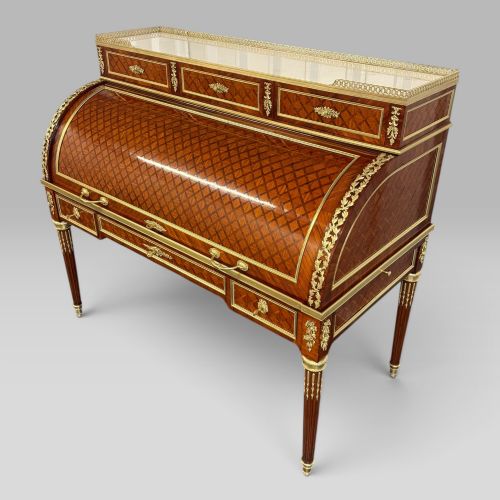
When buyers search for a mid century bureau, they encounter writing furniture spanning the eighteenth, nineteenth, and early twentieth centuries, including fall-front writing cabinets, cylinder desks, and compact writing tables.
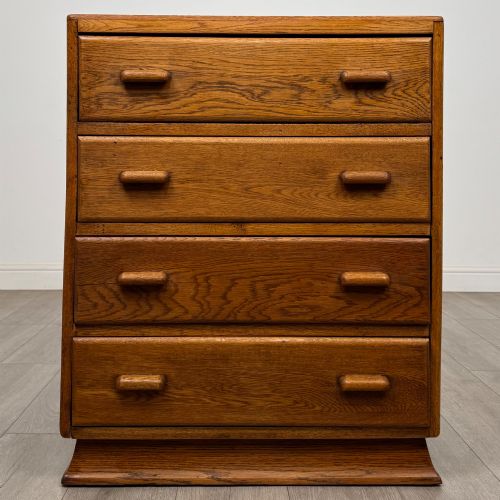
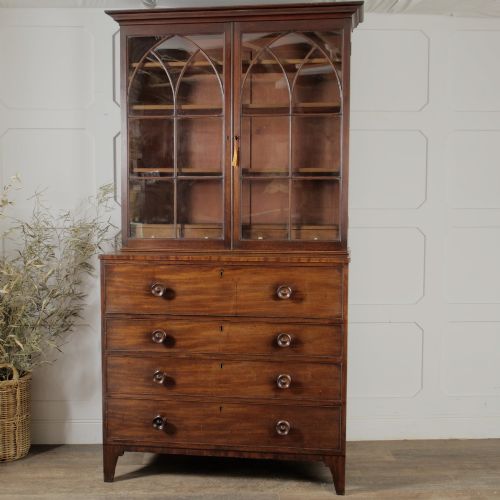
The pieces appearing on this page range from Georgian mahogany and walnut examples dated around seventeen-fifty to nineteenth-century Davenport desks, Victorian walnut pieces, and nineteen-thirties French Art Deco designs.
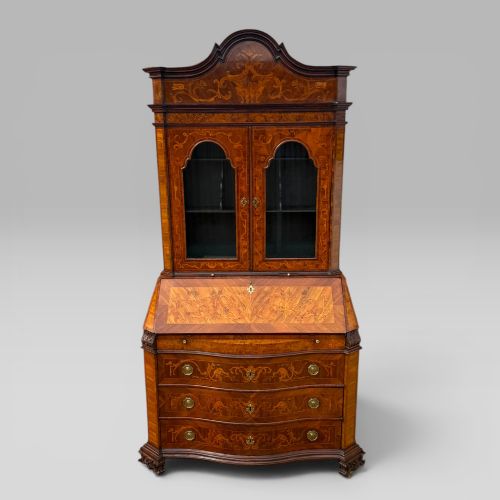
Bureau bookcases, kneehole desks, and secretaire cabinets dominate the selection, offering fitted writing interiors alongside drawer storage in oak, mahogany, burr walnut, and exotic veneers.
How they were made
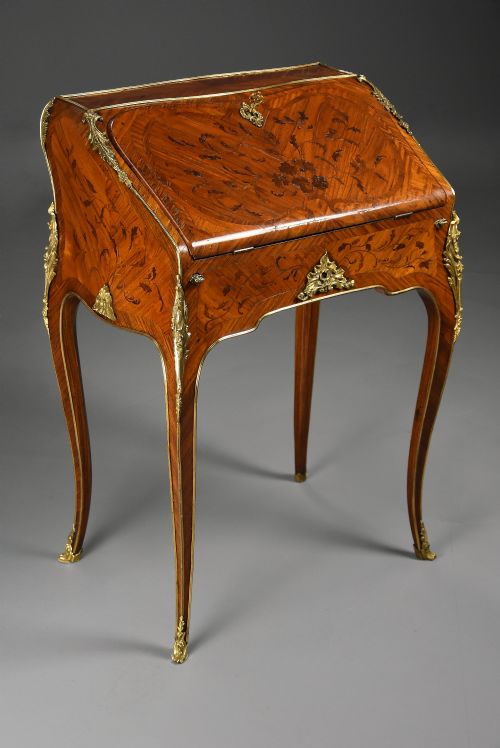
Cabinetmakers utilised solid timbers such as mahogany, oak, and walnut, often applying decorative veneers including burr walnut, tulipwood, satinwood, and parquetry across the exterior surfaces.
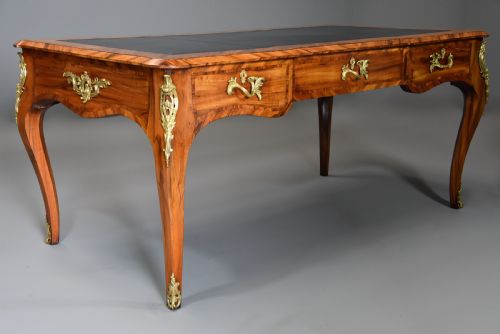
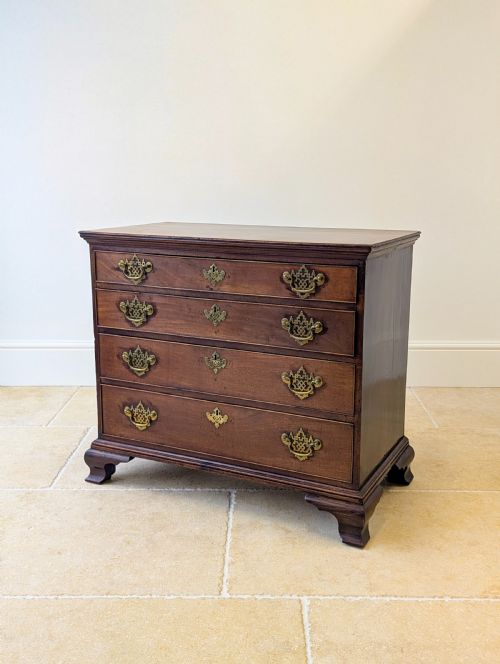
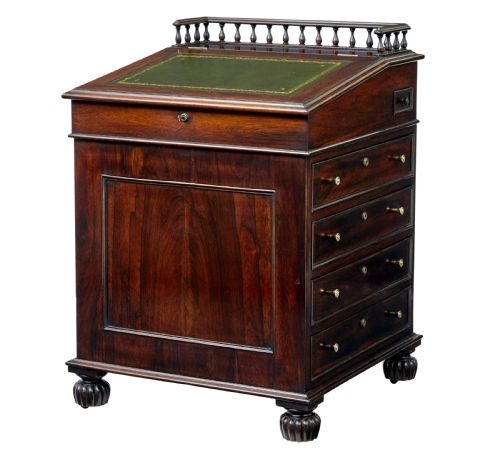
Metal mounts in brass and ormolu complement the woodwork, appearing on drawer handles, gallery rails, and decorative feet, while leather inserts frequently line the writing surfaces.
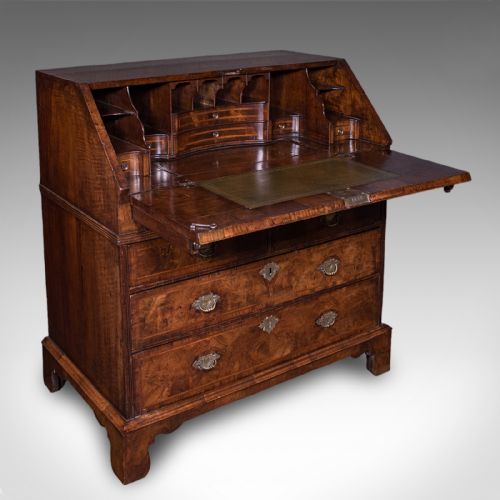
Interior compartments integrate fitted drawers and pigeonholes, constructed with traditional joinery methods suited to fall-front writing cabinets, cylinder desks, and Davenport writing furniture.
Some nineteenth-century writing desks conceal satinwood interiors beneath burr walnut lids, offering secret compartments for private correspondence.
What varies in quality
The selection of timber grain and figure defines the visual weight of each piece, distinguishing plain surfaces from highly figured burr walnut, flame mahogany, and intricate marquetry panels.
Construction detail separates standard cabinet work from exhibition pieces, evident in the complexity of internal satinwood fittings, parquetry patterns, and the integration of ormolu mounts.
Proportion and scale dictate the success of the form, from compact desks and petite secretaire tables to large bureau bookcases and kneehole pedestal desks.
Étienne Kohlmann·BVRB
The Mid Century Bureau Glossary
- Bureau
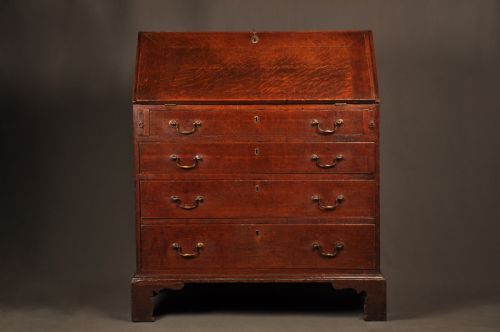
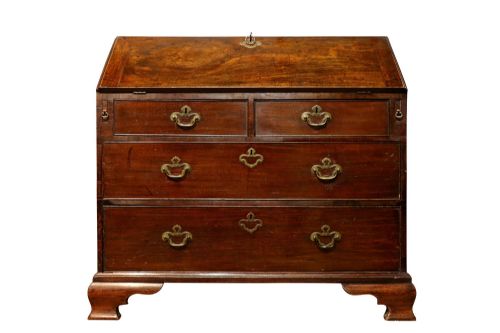
- A sloping fall-front writing desk that opens to reveal internal drawers and pigeonholes. It often sits above a chest of drawers or a kneehole base.
- Davenport
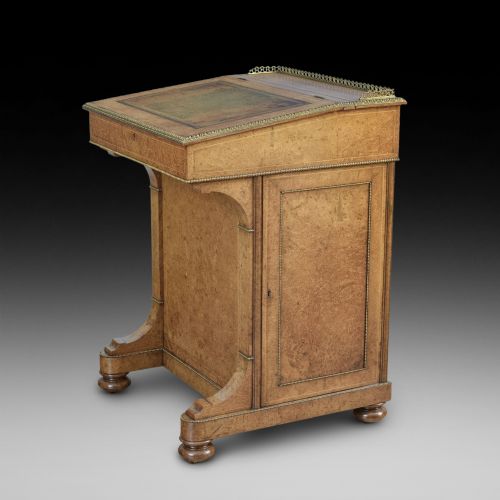
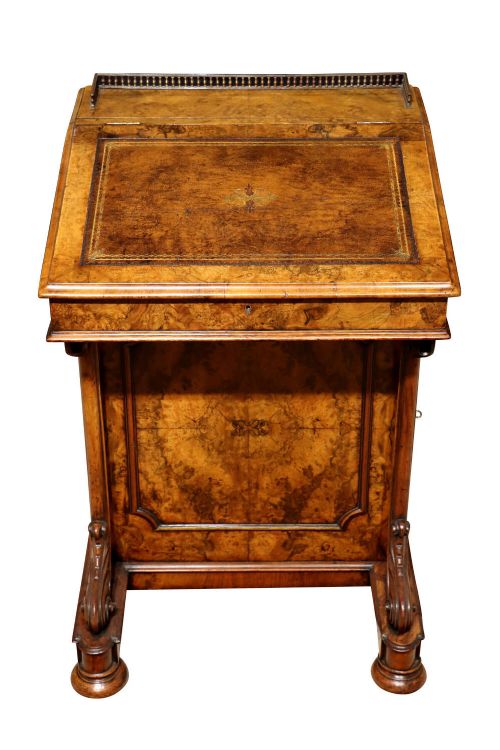
- A compact writing desk featuring a sloping top and a bank of drawers to one side. Originating in the nineteenth century, it frequently incorporates burr walnut, satinwood, or pollard oak.
- Secretaire
- A cabinet or bookcase containing a pull-out writing drawer or drop-front desk compartment. This form conceals writing equipment behind standard drawer or door fronts.
- Parquetry
- Geometric wood-mosaic work used for ornamenting floors, cabinet doors, and desk surfaces. Artisans arrange contrasting timber veneers in repeating patterns.
- Ormolu
- Gilded bronze mounted onto furniture as decorative enrichment. This technique appears alongside nineteenth-century French revival desks and tables.
Mid Century Bureau: Frequently Asked Questions
What is a mid century bureau?
A mid century bureau is a writing cabinet with a sloping fall front that conceals small drawers and pigeonholes for correspondence.
These pieces combine writing surfaces with storage, appearing in forms ranging from compact nineteenth-century Davenport desks to eighteenth-century walnut bureau bookcases.
How do I use a bureau?
The sloping front drops down to form a horizontal writing surface backed by stationary compartments and hidden document drawers.
When closed, the fall front conceals paperwork and writing materials, keeping surfaces tidy in a modern living space or study.
Which woods are most common?
Mahogany and walnut appear frequently across the pieces on this page, alongside oak, birch, and exotic veneers like tulipwood and satinwood.
Cabinetmakers also utilised burr walnut and flame mahogany to create distinctive grain patterns on drawer fronts and writing slopes.
How do I tell periods apart?
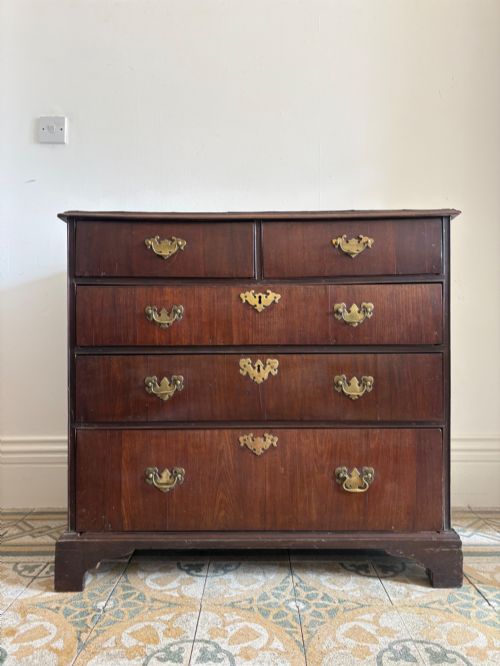
Eighteenth-century pieces typically feature bracket feet and solid mahogany or walnut construction with simple brass hardware.
Nineteenth-century examples introduce burr veneers, ormolu mounts, and varied forms like the Davenport, while nineteen-thirties pieces show Art Deco styling.